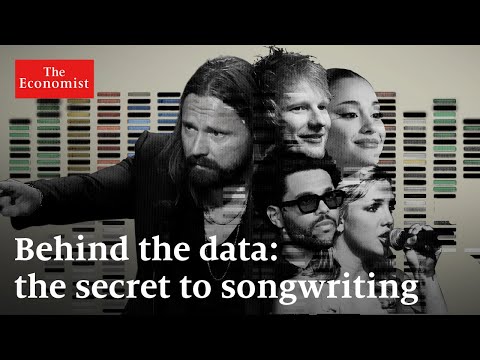
Behind the data: the secret to songwriting
The Secret to Max Martin's Success
This video explores the secret behind Max Martin's success in pop music by analyzing data on his number one hits and comparing them to hits from previous decades.
The Data Behind the Music
- The video starts by introducing Max Martin, a successful songwriter who has written top hits for many popular artists.
- Christopher De La Riva, a musician and data journalist, compiled a dataset with information about every number one hit on the Billboard top 100 charts since 1958.
- The dataset includes information about the song, artist, songwriter, and label.
Short Intros as a Key to Success
- To understand Max Martin's success, the team looked at all of his number one songs and compared their intro lengths to those of other hits.
- They found that Max Martin's average intro length was only nine seconds, much shorter than intros from previous decades.
- In contrast, the average length of an intro for number one hits from the 1980s was 21 seconds.
- The trend towards shorter intros accelerated with digital distribution of music and streaming platforms like YouTube and Spotify.
Adapting to Changes in Music Consumption
- Changes in how people listen to music have also influenced song structure. With digital distribution and streaming platforms, there is renewed focus on individual songs rather than albums.
- Songwriters now have financial incentives to cut to the chase since they only get paid if their song is played for more than 30 seconds.
- Max Martin's hit "Can't Stop the Feeling" has a catchy vocal hit within seven seconds, and by 30 seconds, the listener stays around and Max and his team get paid.
The Economist's Data Team
- The video ends with a brief introduction to Caitlin, a producer at The Economist who works with the data team to write stories called Graphic Detail.