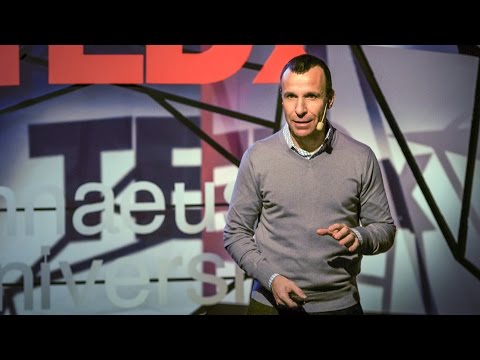
How to practice emotional first aid | Guy Winch | TED
Growing Up as a Twin
The speaker talks about growing up with an identical twin and how it made them an expert at spotting favoritism.
Twin Bond and Favoritism
- Growing up with an identical twin allowed the speaker to become skilled at recognizing favoritism.
- Even slight differences in treatment, like having a slightly bigger cookie, raised questions for the speaker.
- The speaker humorously mentions that they were not starving despite their concerns about cookie sizes.
Valuing the Body Over the Mind
The speaker discusses how society tends to value physical health more than psychological health.
Psychological Health Neglected
- The speaker observes that society places more importance on physical health than on mental well-being.
- Despite spending years earning a doctorate in psychology, people often dismiss psychologists as not being "real doctors."
- This favoritism towards the body over the mind is prevalent in various aspects of life.
Lack of Emotional Hygiene Education
The speaker highlights the lack of emphasis on emotional hygiene education compared to physical health education.
Disparity Between Physical and Psychological Health Care
- While we are taught from a young age how to maintain our physical health and practice dental hygiene, there is little focus on psychological well-being.
- We neglect teaching children about emotional hygiene and fail to prioritize our mental health as much as our physical health.
- Psychological injuries such as failure, rejection, and loneliness are common but often ignored or left untreated.
Ignoring Psychological Injuries
The speaker points out that despite scientifically proven techniques for treating psychological injuries, they often go unaddressed.
Disregard for Mental Health Treatment
- Although there are effective techniques available for treating psychological injuries, people tend to overlook them.
- The speaker highlights the dismissive attitude towards mental health issues, with phrases like "just shake it off; it's all in your head."
- This contrasts with how we treat physical injuries, where seeking appropriate care is considered essential.
Closing the Gap Between Physical and Psychological Health
The speaker emphasizes the need to prioritize psychological health and bridge the gap between physical and mental well-being.
Equal Importance for Mind and Body
- It is time to recognize the importance of psychological health on par with physical health.
- The speaker suggests making efforts to close the gap between these two aspects of well-being.
- They humorously mention that their twin brother, also a psychologist, faces similar challenges regarding being perceived as a "real doctor."
Separation from Twin Brother
The speaker shares a personal experience of being separated from their twin brother while pursuing their studies.
Emotional Impact of Separation
- Moving across the Atlantic for their studies caused a significant separation between the speaker and their twin brother.
- While their brother remained among family and friends, the speaker felt alone in a new country.
- Limited communication due to expensive international phone calls intensified feelings of missing each other.
Longing for Connection
The speaker recounts an emotional experience when they missed a scheduled call from their twin brother.
Heartache of Missed Connection
- On their birthday, when they planned to have an extended conversation, the speaker accidentally kicked the phone off its hook while pacing anxiously.
- Despite expecting a call in the morning, it never came. This realization made them feel deeply saddened and lonely.
- Waking up to see that they had unintentionally disconnected themselves added to their sense of longing for connection.
Loneliness and Failure: The Psychological Wounds That Distort Our Perceptions
In this section, the speaker discusses the impact of loneliness and failure on our psychological well-being.
Loneliness and its Effects
- Loneliness creates a deep psychological wound that distorts our perceptions and scrambles our thinking.
- It makes us afraid to reach out due to fear of rejection and heartache.
- Loneliness can be subjective, depending on whether one feels emotionally or socially disconnected from others.
- Chronic loneliness increases the likelihood of an early death by 14 percent.
- Loneliness causes high blood pressure, high cholesterol, and weakens the immune system.
- Chronic loneliness poses as significant a risk for long-term health as cigarette smoking.
Importance of Prioritizing Psychological Health
- It is crucial to prioritize psychological health and practice emotional hygiene.
- Treating a psychological wound requires awareness of being injured.
Failure and its Impact
- Failure distorts our perceptions and misleads us.
- Our mind's reaction to failure can influence our belief in our capabilities.
- Believing we are incapable of something can lead to feeling helpless and giving up too soon or not trying at all.
- Many people function below their potential due to a single failure that convinced them they couldn't succeed.
Overcoming Limiting Beliefs
- Once we become convinced of something, it becomes challenging to change our minds.
- Awareness of how our mind reacts to failure is crucial for overcoming limiting beliefs.
The Power of Emotional First Aid
In this section, the speaker discusses the importance of emotional first aid and shares personal experiences to highlight its significance.
Importance of Emotional First Aid
- Emotional first aid is essential for addressing psychological wounds.
- Just as physical injuries require immediate attention, so do emotional injuries.
- Ignoring emotional pain can lead to long-term consequences.
Personal Experience with Emotional Wounds
- The speaker shares a personal story about being stopped by a police officer during a robbery investigation.
- The experience left a lasting impact on the speaker's perception and behavior.
Strategies for Emotional First Aid
- Recognizing emotional pain and acknowledging its existence is the first step towards healing.
- Validating emotions and seeking support from others can help in the healing process.
- Engaging in self-care activities and practicing self-compassion are essential for emotional well-being.
Rejection: The Hidden Gift
In this section, the speaker explores the concept of rejection and highlights its potential benefits.
Rejection as an Opportunity
- Rejection is often seen as negative, but it can be viewed as a hidden gift.
- Rejection provides an opportunity for growth, learning, and self-reflection.
- It pushes individuals out of their comfort zones and encourages resilience.
Changing Perspectives on Rejection
- Shifting our mindset about rejection allows us to embrace it as part of life's journey.
- Rejection can lead to new opportunities and paths that we may not have considered otherwise.
Overcoming Fear of Rejection
- Recognizing that rejection is a universal experience helps in overcoming the fear associated with it.
- Building resilience and self-confidence can reduce the impact of rejection.
The Power of Vulnerability
In this section, the speaker discusses the power of vulnerability and its role in building meaningful connections.
Embracing Vulnerability
- Vulnerability is often seen as a weakness, but it is essential for authentic connections.
- Opening up and being vulnerable allows others to connect with us on a deeper level.
- It requires courage to be vulnerable, but the rewards are worth it.
Cultivating Empathy
- Vulnerability fosters empathy and understanding among individuals.
- Sharing our struggles and experiences creates a sense of belonging and support.
Creating Meaningful Connections
- Authentic connections are built through vulnerability, trust, and mutual understanding.
- Being open to vulnerability allows for more fulfilling relationships.
The Courage to Be Imperfect
In this section, the speaker emphasizes the importance of embracing imperfections and cultivating self-acceptance.
Embracing Imperfection
- Society often promotes perfectionism, but embracing imperfections leads to personal growth.
- Accepting our flaws allows us to live authentically and connect with others genuinely.
Letting Go of Shame
- Shame holds us back from embracing our imperfections fully.
- Cultivating self-compassion and letting go of shame are essential for personal well-being.
Embracing the Journey
- Life is a continuous journey of growth and learning.
- Embracing imperfections allows us to enjoy the process rather than striving for unattainable perfection.
The Power of Gratitude
In this section, the speaker explores the power of gratitude in enhancing happiness and well-being.
The Benefits of Gratitude
- Practicing gratitude has numerous positive effects on mental health and overall well-being.
- It increases happiness, reduces stress, and improves relationships.
Cultivating a Grateful Mindset
- Being mindful of everyday blessings helps cultivate a grateful mindset.
- Expressing gratitude through journaling or verbal appreciation strengthens its impact.
Spreading Gratitude
- Sharing gratitude with others creates a ripple effect of positivity.
- Acts of kindness and expressing appreciation can brighten someone's day.
Conclusion
In this section, the speaker concludes by emphasizing the importance of emotional well-being and practicing emotional hygiene.
Prioritizing Emotional Well-being
- Taking care of our psychological health is crucial for overall well-being.
- Just as we prioritize physical health, we should prioritize emotional health.
Practicing Emotional Hygiene
- Regularly checking in with our emotions and addressing psychological wounds is essential.
- Engaging in self-care activities, seeking support, and practicing self-awareness contribute to emotional hygiene.
Final Thoughts
- Embracing vulnerability, accepting imperfections, and cultivating gratitude are powerful tools for personal growth and happiness.
- By prioritizing our emotional well-being, we can lead more fulfilling lives.
Where have I seen your face before?
In this section, the speaker shares a humorous anecdote about being mistaken for someone else and highlights the importance of not allowing failures to demoralize oneself.
Mistaken Identity
- The speaker recalls a situation where someone recognized their face but couldn't remember where they had seen it before.
- The speaker jokingly responds that they have seen their own face in the front seat.
- This response confuses the person further, leading them to suspect that the speaker is on drugs.
Breaking Negative Cycles
- The person drags the speaker out of the car, searches them, and takes them to a police car. Only after verifying that there is no police record does the speaker reveal that they have a twin in the front seat.
- Even after resolving the misunderstanding, it is evident from the officer's expression that he still believes something suspicious is going on.
- The speaker emphasizes that our minds can be hard to change once we become convinced of something. It is natural to feel demoralized and defeated after failure, but one must not allow themselves to believe they cannot succeed.
- To break negative cycles and gain control over situations, one must fight feelings of helplessness and avoid becoming convinced of their inability to succeed.
Stop Emotional Bleeding
In this section, the speaker discusses how our minds and feelings are not always reliable friends and introduces strategies for emotional well-being.
Unreliable Minds and Feelings
- Our minds and feelings can be like moody friends who can switch between being supportive and unpleasant. They are not as trustworthy as we may think.
- The speaker shares an example of a woman who, after an ugly divorce, goes on her first date and experiences rejection. Her friend's cruel response highlights how we often engage in self-criticism and negative self-talk after rejection.
- It is revealed that the woman's harsh words were actually what she said to herself, indicating that this tendency for self-criticism is common, especially after rejection.
Poor Emotional Hygiene
- Engaging in self-criticism and negative self-talk damages our already hurting self-esteem. It is interesting that we would willingly worsen a psychological injury while avoiding doing the same with physical injuries. This behavior stems from poor emotional hygiene and neglecting our psychological health.
- Studies show that lower self-esteem makes individuals more vulnerable to stress, anxiety, and prolonged recovery from failures and rejections. Therefore, it is crucial to prioritize our psychological well-being and revive our self-esteem after experiencing rejection or failure.
Protect Your Self-Esteem
In this section, the speaker emphasizes the importance of treating oneself with compassion during times of emotional pain and addresses the unhealthy habit of rumination.
Compassionate Self-Treatment
- When experiencing emotional pain, it is essential to treat oneself with the same compassion one would expect from a good friend.
- Reviving one's self-esteem should be a priority after rejection or failure instead of engaging in destructive behaviors or thoughts that further damage it.
Unhealthy Habit: Rumination
- One common unhealthy habit is rumination, which involves continuously replaying upsetting events in one's mind for extended periods of time. This habit can lead to various negative consequences such as depression, alcoholism, eating disorders, and cardiovascular disease.
- The urge to ruminate can be strong and difficult to stop, but it is crucial to recognize this habit and work towards changing it for better psychological well-being.
The transcript provided does not cover the entire video.
Emotional Hygiene New Section
In this section, the speaker discusses the importance of emotional hygiene and shares personal experiences to highlight the impact of psychological well-being on overall health.
The Power of Positive Attitude
- The speaker reflects on how much someone was suffering without complaining, emphasizing their positive attitude and strong psychological health.
- While physically healthy, the speaker admits to struggling psychologically.
- Studies suggest that even a two-minute distraction can break the urge to ruminate and improve one's outlook.
Overcoming Negative Thinking
- The speaker shares their experience of forcing themselves to concentrate on something else when negative thoughts arise. Within a week, their outlook became more positive and hopeful.
- After nine weeks of chemotherapy, the speaker's brother had a CAT scan that showed all tumors were gone. They remained optimistic about his recovery.
Building Emotional Resilience
- A recent picture is shared as evidence of progress in healing.
- Taking action when feeling lonely and changing responses to failure are highlighted as ways to protect self-esteem and battle negative thinking.
- Practicing emotional hygiene is compared to practicing personal hygiene a century ago, with potential for similar improvements in quality of life.
- Imagine a world with improved psychological health: less loneliness, depression, better coping with failure, higher self-esteem, happiness, and fulfillment.
Conclusion
- The speaker expresses their desire for a world where everyone is psychologically healthier.
- By becoming informed and adopting simple habits, such a world can be achieved.
Timestamp links have been provided for each bullet point to facilitate easy navigation to the corresponding part of the video.
Turn any video into a summary like this
YouTube links, meetings, lectures. With transcripts, search, and chat.