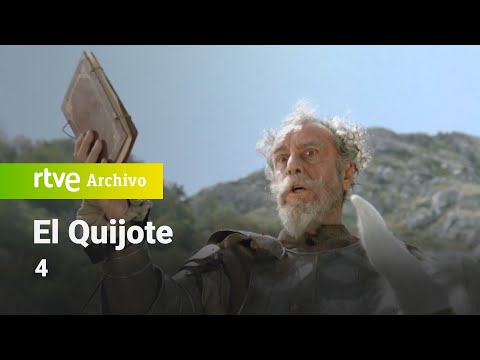
El Quijote: Capítulo 4 | RTVE Archivo
Introduction and Context
Setting the Scene
- The transcript begins with music and applause, indicating a lively atmosphere.
A Search for a Lost Mule
Characters in Distress
- The speaker expresses concern over a lost mule, suggesting that it can be easily remedied by acquiring three other mules. This reflects the urgency of their situation as they fear being pursued by the Santa Hermandad (Holy Brotherhood).
Urgency to Leave
- Sancho urges haste, emphasizing that they must leave quickly to avoid capture, highlighting the tension between their current predicament and the threat posed by authority figures.
Confrontation with Authority
Desire for Conflict
- The speaker expresses a desire to confront those who threaten them, showcasing a rebellious spirit against both local authorities and broader societal structures. This illustrates themes of defiance and courage in the face of oppression.
Reflections on Love and Despair
Personal Grievances
- The speaker laments about love lost due to unfulfilled promises, revealing deep emotional turmoil tied to romantic disappointment. They mention writing from a secluded place where news of their demise may reach others before they do.
Complexity of Emotions
- There is an exploration of love's complexities through expressions of longing mixed with sorrow, indicating that these feelings are intertwined with personal identity and social status.
Identity Revelation
Introduction of Cardenio
- A character named Cardenio introduces himself, sharing his background as someone from a wealthy family in Andalucía whose misfortunes have led him to live like an animal in isolation. This sets up his tragic backstory which will unfold further in the narrative.
Love Story Unfolding
Promised Love
- Cardenio recounts his engagement to Lucinda, whom he loved since childhood but was kept apart due to her parents' restrictions. Their correspondence reveals deep emotional connections despite physical separation, illustrating themes of romantic idealism versus reality.
Betrayal by Don Fernando
- He describes meeting Don Fernando, who betrays him by pursuing Lucinda while pretending friendship; this betrayal adds layers to Cardenio’s despair and highlights themes of loyalty and treachery within relationships.
Letters as Symbols
Communication Through Letters
- Cardenio mentions letters exchanged between him and Lucinda that reveal her intelligence and depth; these letters symbolize hope amidst despair but also foreshadow potential heartbreak due to misunderstandings or external influences like Don Fernando's interference.
Conclusion: Curiosity About Outcomes
Anticipation for Resolution
The Madness of Don Quijote
The Nature of Madness and Chivalry
- Don Quijote reflects on the consequences of his actions, expressing that those who deceive themselves feel the weight of their choices deeply.
- He questions the principles of chivalry, suggesting that they lead to absurd pursuits, as he searches for a "madman" without realizing he is one himself.
- Don Quijote aims to achieve fame through dangerous feats, drawing inspiration from legendary knights like Amadís de Gaula and emphasizing the importance of valor and reputation.
- He references historical figures such as Roldán and Orlando, illustrating how madness can stem from love or jealousy, hinting at his own emotional turmoil regarding Dulcinea.
- The notion that a knight's madness should arise from genuine causes is challenged; instead, he believes true insanity comes from irrationality.
Lamentations and Longing
- In a moment of despair, Don Quijote chooses a desolate place to lament his unrequited love for Dulcinea, portraying her as the source of both joy and suffering in his life.
- He implores Dulcinea to consider his state during her absence while addressing Sancho Panza about delivering messages to her swiftly.
- Sancho is tasked with riding Rocinante to deliver letters to Dulcinea but must avoid distractions along the way.
Reflections on Love and Reality
- Don Quijote discusses the nature of their relationship with Dulcinea, noting that their love has always been platonic due to her father's strict upbringing.
- He humorously acknowledges that despite never having seen her often or exchanged letters directly, he still holds deep feelings for her over many years.
Insights into Character Dynamics
- Sancho Panza’s perspective reveals contrasting views on love; he describes Dulcinea in more earthly terms than Don Quijote's idealized vision.
- The dialogue highlights Sancho's awareness of Don Quijote's madness while also showcasing his loyalty as an escudero (squire).
Confrontation with Reality
- As characters search for Don Quijote amidst confusion about his whereabouts, it becomes evident that misunderstandings abound regarding his mental state and intentions.
- Tension arises when others express concern over Don Quijote’s safety while revealing their ignorance about what truly drives him.
Themes of Betrayal and Disappointment
- A character recounting personal betrayal illustrates broader themes within the narrative—love intertwined with deception leads to emotional turmoil.
The Plea for Marriage and Betrayal
Cardenio's Request
- Cardenio expresses his longing for Esperanza, urging her to ask his father for her hand in marriage to alleviate their mutual despair.
Fernando's Deception
- Fernando discreetly delivers a book to Agustina, revealing his connection with Lucinda, who is fond of chivalric novels. This act sets the stage for further complications.
The Wedding Announcement
- Cardenio reflects on the impending marriage between Lucinda and Fernando, feeling betrayed as he realizes that his love is being taken away by someone he trusted.
Confrontation and Defiance
- During the wedding ceremony, Lucinda is pressured into marrying Fernando despite her previous promises. Cardenio confronts this betrayal but feels powerless against it.
Desperation and Disguise
- In despair over losing Lucinda to Fernando, Cardenio decides to disguise himself as a man and flee to the mountains rather than live under the shadow of betrayal.
A Vow of Revenge
Commitment to Justice
- Cardenio vows not to rest until he has confronted Fernando about his wrongdoings, promising to challenge him based on honor and justice.
Encountering Don Quijote
The Arrival of Don Quijote
- Don Quijote arrives seeking an audience with a noble figure, emphasizing his determination not to leave without receiving what he desires from them.
Princess Micomicona's Introduction
- A character introduces herself as Princess Micomicona from the kingdom of Micomicón, indicating a quest involving giants that needs resolution.
Quest for Honor
- Don Quijote expresses readiness to assist in defeating a giant threatening Princess Micomicona’s kingdom, showcasing his commitment to chivalry and adventure.
Turn any video into a summary like this
YouTube links, meetings, lectures — with transcripts, search, and chat.