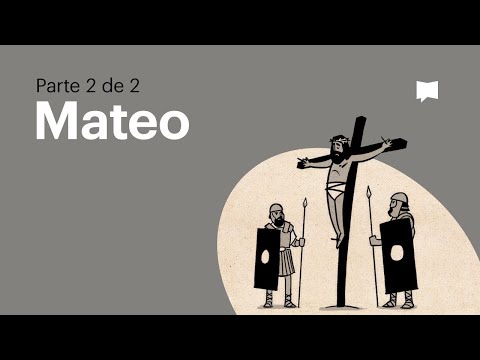
Resumen del libro de Mateo: un panorama completo animado (parte 2)
The Gospel According to Matthew: Jesus as the Messiah
Introduction of Jesus
- Matthew introduces Jesus as the Messiah from David's lineage, a new authoritative teacher akin to Moses, and Emmanuel, meaning "God with us."
- After teaching about the Kingdom of God, Jesus is accepted by many but rejected by religious leaders, particularly the Pharisees.
Conflict with Religious Leaders
- The narrative explores various expectations of the Messiah; while many see Jesus as a prophet and Messiah due to his miracles, religious leaders view him as a false teacher.
- Their perspective is shaped by scriptures like Psalm 2 and Daniel 2, anticipating a victorious Messiah who will liberate Israel from pagan oppressors.
Teaching Disciples About His Role
- As opposition grows, Jesus teaches his closest disciples about his true identity as the Messiah—one who will suffer rather than reign through military power.
- He references Isaiah’s prophecies about a suffering servant king who would die for the sins of his people.
Nature of the Messianic Kingdom
- Jesus redefines values in his kingdom: serving others instead of seeking revenge and finding true wealth in generosity towards the poor.
- The clash between Jesus' kingdom and that of Israel's leaders intensifies when he enters Jerusalem during Passover on a donkey amidst public adoration.
Confrontation at the Temple
- Upon entering the temple, Jesus disrupts daily sacrifices, asserting his authority over it and challenging its leaders’ hypocrisy.
- This leads to attempts by religious authorities to trap him in debate; their failure escalates their resolve to have him killed.
Final Teachings and Predictions
- In response to their plans for execution, Jesus predicts that their actions will lead to Jerusalem's destruction due to their rejection of peace.
- He reassures disciples that despite death, he will be vindicated through resurrection and return to establish God's kingdom globally.
The Last Supper
- During Passover dinner with disciples, he reinterprets bread and wine as symbols of his sacrificial death meant for redeeming humanity from sin.
Arrest and Trial
- Following dinner, Jesus is arrested; Jewish leaders accuse him of blasphemy. Pilate finds him innocent but succumbs to pressure leading to crucifixion.
Fulfillment of Prophecy
The Resurrection and the Great Commission
The Empty Tomb and Jesus' Resurrection
- The scene concludes with the crucifixion of Jesus, leading to his body being placed in a tomb. A surprising twist occurs in the final chapter when the disciples discover on Sunday morning that Jesus' tomb is empty.
- Following this revelation, individuals begin to witness Jesus resurrected from the dead, marking a pivotal moment in Christian belief.
- The narrative culminates with the resurrected Jesus imparting his final teachings, which are significant for understanding his mission and message.
The Great Commission
- In his concluding remarks, Jesus declares himself as the true king of the world and commissions his disciples to spread the good news across all nations.
- He emphasizes that anyone can join his kingdom through baptism and adherence to his teachings, reinforcing inclusivity within Christianity.
Turn any video into a summary like this
YouTube links, meetings, lectures. With transcripts, search, and chat.