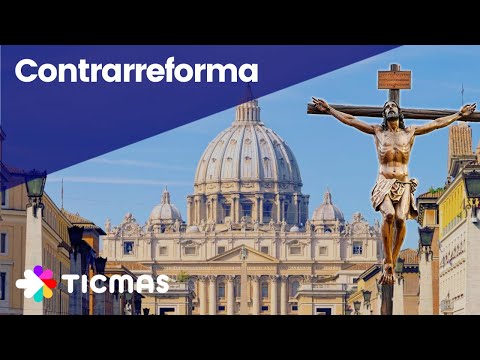
La Contrarreforma y el Concilio de Trento
The Counter-Reformation: Catholic Church's Response to Protestantism
Introduction to the Counter-Reformation
- The video discusses the Catholic Church's response to the Protestant Reformation, known as the Counter-Reformation, focusing on affirming core beliefs and revitalizing faith while addressing religious misconduct.
The Council of Trent
- Pope Paul III initiated the Counter-Reformation by convening bishops worldwide for a series of meetings in Trento, Italy, from 1545 to 1563.
- Key decisions made at the Council included:
- Affirmation that faith is central but works are also essential for salvation.
- Reinforcement of papal authority and devotion to saints and the Virgin Mary, which were rejected by Protestant beliefs.
- Maintenance of clerical celibacy and establishment of seminaries for clergy education.
Tools and Institutions Established
- The creation of the Congregation of the Holy Office (Inquisition), which gained renewed strength during this period, particularly in Spain.
- Development of an index listing prohibited books that contradicted Catholic doctrine.
- Foundation of the Society of Jesus (Jesuits) by Ignatius de Loyola in 1540, aimed at spreading Catholicism globally across Asia, Africa, and America.
Impact on Art and Culture
- The Counter-Reformation influenced art significantly; one decision from the Council was to evoke emotions through artistic expression.