Overview of PCR Cloning
PCR Cloning Process Overview
Introduction to PCR Cloning
- PCR cloning is a widely used method for cloning DNA fragments, requiring minimal input DNA and accommodating fragments with unknown sequences.
- The process begins by amplifying the target DNA fragment using polymerase and complementary primers, leading to exponential amplification of the DNA.
Amplification Techniques
- Depending on the polymerase used, the amplified DNA can have either a single-A overhang (using Taq DNA polymerase) or blunt ends (using high-fidelity polymerases like Q5).
Vector Insertion Methods
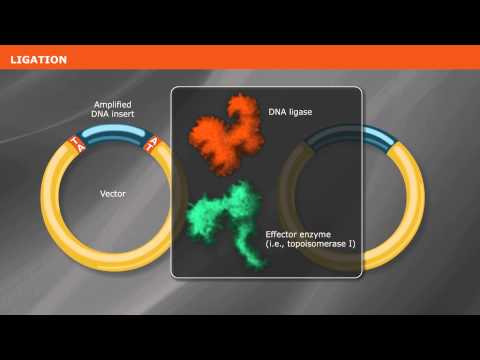
- After amplification, the next step involves joining the amplified fragments to an appropriate vector using DNA ligase or activated vectors that facilitate covalent bonding.
- Some vectors may contain toxic genes; successful insertion of the target gene disrupts this expression, allowing only competent cells with successful insertions to survive. These are referred to as "suicide vectors."
Transformation into Competent Cells