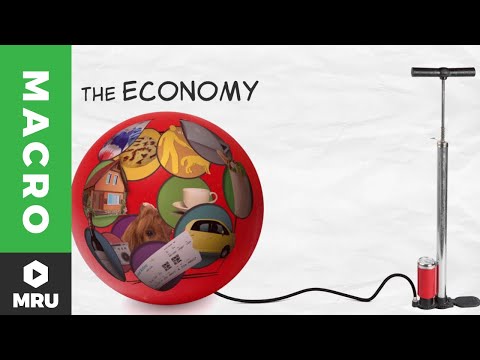
Why Governments Create Inflation
Why Do Governments Create Inflation?
Understanding the Reasons Behind Inflation
- Governments may create inflation as a desperate measure when they cannot raise funds through other means, effectively acting as a tax that transfers wealth from citizens to the government.
- While inflation is generally not an effective tax, it can sometimes benefit an economy; future discussions will explore how fiscal and monetary policy can combat recessions.
- The equation of exchange (MV = PY) indicates that sustained price increases are primarily due to increases in the money supply (M), with real output (Y) remaining stable in the long run.
The Parable of Inflation
- In a small economy with a baker, tailor, and carpenter, newly printed money initially boosts demand for goods, leading to increased production and higher prices.
- As soldiers spend cash on goods, prices rise unexpectedly for producers like the baker who find their purchasing power diminished despite earning more dollars.
- This leads to a cycle where expectations of inflation grow; individuals begin to anticipate price increases and adjust their behavior accordingly.
Short-Term vs. Long-Term Effects of Money Supply Changes
- An increase in money supply can temporarily boost economic activity but may lead to higher prices over time as people adapt their expectations.
- Conversely, reducing the money supply can trigger a recession in the short term before potentially lowering prices in the long run.
Costs Associated with Inflation Management
- One significant cost of managing inflation is that attempts to reduce it can slow down economic growth and increase unemployment rates.
- Continuous reliance on inflationary measures without addressing underlying issues leads to diminishing returns and potential economic stagnation.
Historical Context: Stagflation in the 1980s
Turn any video into a summary like this
YouTube links, meetings, lectures — with transcripts, search, and chat.