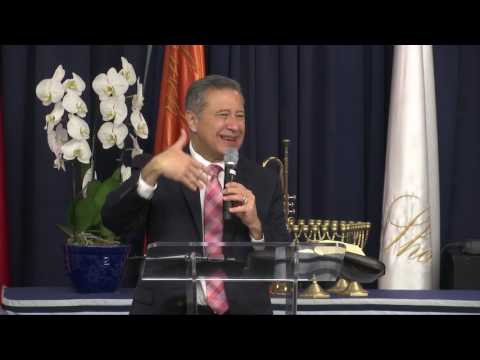
Los que han Alcanzado Madurez #6 - Parte A - AM - Pastor Juan Radhamés Fernández
The Glory of God and Spiritual Restoration
Introduction to the Program
- The program "Restoration" with Pastor Juan Radam Fernández emphasizes listening to God's word for spiritual consolation and enlightenment.
- Acknowledgment of Jesus Christ as the key to understanding God's heart, highlighting gratitude for His sacrifice and blessings.
Biblical Reading and Discussion
- The focus shifts to Hebrews 5:11, discussing the challenges in explaining spiritual truths due to a lack of maturity among believers.
- Emphasis on the need for spiritual growth; believers are compared to infants needing milk rather than solid food, indicating immaturity in faith.
Understanding Maturity in Faith
- Recognition that God provides nourishment for spiritual growth, likening it to a balanced diet tailored by Him.
- The term "maturity" is equated with "perfection," derived from the Greek word teleios, which signifies a process towards completeness.
The Process of Perfection
- Explanation of teleios as not just perfection but also a journey or process toward achieving one's purpose in God’s plan.
- Discussion on how this process involves fulfilling God's intended purpose through sanctification and maturity.
Salvation and Deliverance from Sin
- Clarification that salvation encompasses liberation from sin's power, not just its condemnation; it includes health and wholeness.
- Highlighting that true salvation means being freed from sin's reign over our lives, emphasizing the importance of understanding this deliverance.
Justification Through Christ
- Affirmation that justification comes through faith in Jesus Christ alone; no human can achieve perfection without Him.
Understanding the Nature of Christ and Redemption
The Perfection of Christ
- Jesus Christ is described as the only perfect man, who never sinned, not even in intention. His holiness is acknowledged by both God and demons.
- God testified about Jesus during His trial, emphasizing His righteousness and innocence, which highlights the divine approval of Christ.
The Purpose of Salvation
- God's intent for salvation is to lead believers towards holiness, aligning them with the image of Christ as stated in Romans 8.
- Being created in Christ offers believers greater value than being created in Adam; they are now seen as spiritually vivifying beings.
Redemption and Restoration
- The narrative of the Prodigal Son illustrates God's joy in restoring sinners, emphasizing that redemption brings greater glory to God.
- Believers belong to God through creation and redemption; this dual ownership signifies their value to Him.
Glorification and Transformation
- A future glorification awaits believers when they will be transformed at the final trumpet, shedding mortal limitations.
- Sanctification begins on Earth but culminates in glorification; it represents a process where believers are progressively freed from sin's power.
Eternal Rewards and Responsibilities
- Salvation serves a purpose beyond mere entry into heaven; it aims for praise of God's glory through how believers live their lives.
- Eternal rewards will vary based on how individuals manage God's affairs on Earth; not all will have equal status or roles in heaven.
Significance of Holiness
- Sanctification is crucial not just for earthly life but also for eternity; it shapes one's standing before God.
- Biblical teachings indicate that eternal rewards are linked to faithfulness in earthly responsibilities, suggesting varying degrees of honor among believers.
The Role of Firstfruits
- The concept of firstfruits (144,000 from Israel), symbolizes a holy representation before God, indicating that their sanctity reflects upon others.
Salvation and Faith in Christ
The Assurance of Salvation
- The speaker expresses confidence in their salvation through Christ, emphasizing a desire for all that God has to offer rather than settling for less.
- A reference is made to the biblical promise of being rewarded for faithfulness, highlighting the importance of stewardship over small things as preparation for greater responsibilities.
Spiritual Growth and Maturity
- The speaker discusses the training received on Earth to manage significant roles in God's kingdom, stressing that true treasures lie above.
- There is an urgent call to take spiritual growth seriously, with a focus on sanctification and maturity in faith amidst challenging times.
Frustration with Spiritual Stagnation
- The speaker shares frustration over individuals who remain spiritually immature despite ample time and teaching, likening it to parental disappointment when children do not learn.
- As a teacher and spiritual father, the speaker feels disheartened by those who fail to apply learned lessons from sermons.
Understanding Law vs. Grace
- Discussion centers around the limitations of the law which reveals sin but does not empower change; contrast is drawn with Christ's grace that enables perfection through the Holy Spirit.
- Emphasis is placed on the futility of trying to improve the "old man" or sinful nature; instead, it must be crucified alongside Christ.
Addressing Emotional and Mental Health
- The speaker highlights that attempts to reform one's old self are often futile due to inherent sinful tendencies; true transformation requires death to self.
- Reference is made to 1 Corinthians 3:1 where believers are described as carnal rather than spiritual, indicating a need for deeper understanding beyond intellectual acknowledgment.
Psychological Insights into Human Behavior
- The discussion shifts towards emotional disorders stemming from unresolved issues within one's soul (psyche), suggesting these problems affect overall well-being.
- Acknowledgment that mental health issues can arise from childhood experiences; each individual’s brain functions differently based on unique life circumstances.
Understanding Spiritual Growth and the Role of the Cross
The Importance of Knowing One's Child
- Understanding that each person has a unique genetic makeup, emphasizing the father's role in knowing his child to prevent spiritual damage. This is crucial for those chosen by God, as they may face challenges if not nurtured properly.
Spiritual Problems and Inner Child
- Discusses various spiritual issues such as enmities, friendships, jealousy, and anger, which are rooted in the soul but manifest as spiritual problems. The inner child symbolizes humanity's connection to Adam and reflects our inherent desires.
The Nature of the Soul
- Explains that the soul encompasses human desires and self-interest; it often seeks personal gratification without considering others. This highlights a fundamental aspect of human nature that needs addressing for spiritual maturity.
Key Concepts: Cross and Maturity
- Introduces two pivotal concepts: "cross" and "maturity." The cross represents ultimate maturity through self-denial and love, paralleling Christ’s sacrifice with personal growth in faith. Emphasizes that true love involves sacrifice rather than seeking one's own interests.
Daily Death to Self
- Stresses the necessity of daily self-denial ("each day I die") for spiritual perfection. As one matures spiritually, control over weaknesses increases, leading to transformation where the new man governed by the Holy Spirit emerges. This change is essential for living a life pleasing to God.
The Christian Profession: A Life of Conviction
Defining Christian Identity
- Highlights that being a Christian is not merely about attending church or seeking rewards; it should stem from conviction and purpose aligned with God's design for one's life. True Christians pursue their divine calling earnestly rather than material gain.
Process of Maturity (Teleos)
- Discusses "teleos," indicating a process towards completion or maturity in faith—aiming not just for personal satisfaction but fulfilling God's purpose on Earth as part of one's profession as a believer. This includes using gifts wisely within ministry contexts according to biblical teachings.
Character in Ministry
- Emphasizes character development within ministry roles based on biblical standards set by apostles like Peter and Paul—highlighting qualities such as prudence, decorum, experience, and self-control necessary for effective leadership in faith communities.
Control Over Desires
- Addresses cultural perceptions around alcohol consumption among Jews while stressing that moderation is key; immaturity leads to lack of control over impulses which can lead believers astray from their path toward wisdom and maturity in Christ-like behavior.
Seeking Others' Well-being
Understanding Self-Control and Spiritual Maturity
The Role of Self-Control in Faith
- The speaker emphasizes that trusting in God means not relying on the flesh, highlighting the importance of self-control. Churches are right to prohibit alcohol as many lack control over their desires.
- The concept of self-control is further explored; while everything may be permissible, not everything is beneficial. The focus should be on personal edification rather than mere adherence to rules.
Biblical Examples of Human Weakness
- The speaker discusses biblical figures like Moses and Abraham, noting that they fell into sin not in their weak areas but in their strengths, illustrating the dangers of overconfidence.
- Abraham's faith is highlighted despite his moment of doubt when he lied about his wife being his sister. This act reflects a significant lack of dignity and trust in God's protection.
Justice and Injustice Among Leaders
- David's character as a just ruler is examined; however, he committed grave injustices, showcasing how even those with high moral standards can falter under temptation.
- The story of Nathan confronting David illustrates how leaders must remain vigilant against injustice, regardless of their perceived righteousness.
Confidence vs. Humility
- Peter’s confidence before denying Jesus serves as a cautionary tale about self-reliance. His assertion that he would never deny Christ highlights human frailty when faced with trials.
- True strength comes from recognizing one's weaknesses; Christians should rely on God's power rather than their own abilities to overcome challenges.
Fear of God and Spiritual Growth
- A discussion on the diminishing fear of God within Christianity links it directly to spiritual maturity. Fear motivates believers to turn away from sin and pursue holiness.
- Holiness is equated with perfection or maturity; sanctification involves God transforming believers' lives so that Christ's image becomes evident through them.
Temptation and Desire
- The necessity for motivation to resist sin is emphasized; without understanding why one should renounce sinful pleasures, it becomes challenging to overcome temptations.
The Influence of Sensory Appeal on Human Behavior
The Role of Sensory Appeal in Society
- Discussion on how sensory experiences, such as eating, can lead individuals to feel divine or god-like. This reflects a deeper commentary on human desires and the allure of wisdom.
- Identification of key players in society (politics, commerce, sports) who manipulate these sensory appeals for control over the masses.
- Emphasis on sexuality as a divinely intended aspect for reproduction, yet criticized for being exploited and misrepresented in modern culture.
The Misuse of Sexuality and Dignity
- Critique of adult behavior regarding sexuality; adults are seen as regressing to childlike curiosity rather than embracing mature understanding.
- Commentary on societal pressures that prioritize physical appearance over mental capacity, suggesting that women are often objectified and lose their dignity.
Understanding Personal Dignity
- A call for women to recognize their worth beyond sexual objectification; they are created in God's image and should not be treated as lesser beings.
- Reflection on consumerism where clothing is used to cover the body but can also become a source of enslavement if one becomes overly focused on appearances.
Moral Responsibility and Self-Control
- Advocacy for self-awareness regarding what one consumes visually and audibly; humans possess moral judgment unlike animals.
- Distinction between following natural instincts versus adhering to spiritual guidance from God.
Biblical Perspectives on Modesty
- Examination of biblical teachings about women's attire; it emphasizes modesty over vanity without outright prohibitions against certain garments.
- Clarification that the value lies not in the clothing itself but in the heart's intentions behind wearing them.
The Nature of Vanity vs. Material Wealth
- Discussion about how material wealth (e.g., expensive dresses or jewelry) is subjective based on one's financial situation; vanity arises from inappropriate motivations rather than possessions themselves.
Maturity Over Prohibition
- Encouragement towards maturity instead of strict prohibitions within religious contexts; true growth comes from understanding rather than mere restriction.
Hypocrisy Within Religious Practices
- Criticism directed at religious leaders who impose restrictions while engaging in similar behaviors themselves, highlighting hypocrisy within faith communities.
Understanding Discernment and Materialism
The Nature of Discernment
- The speaker discusses the importance of discernment in distinguishing between good and evil, emphasizing that true maturity involves choosing good over evil.
- A personal anecdote is shared about a Rolex watch, highlighting its sentimental value as a prophetic gift rather than its material worth.
Material Possessions vs. Spiritual Values
- The speaker reflects on the vanity of material possessions, stating that while it's acceptable to enjoy gifts from God, one should not place their heart in them.
- A reminder is given to act according to one's strength and to remember that fearing God and keeping His commandments is paramount.
Law vs. Grace
- The speaker notes the confusion surrounding the concepts of law and grace, stressing that understanding these spiritual messages is crucial for maturity.
- There’s an observation about society's growing aversion to spiritual matters, indicating a disconnect from God.
Self-examination and Humility
- Emphasis is placed on self-examination; the speaker prays for protection against pride, recognizing it as something that distances one from God.
- A distinction is made between humility and poverty; true humility does not equate with financial status.
Avoiding Injustice and Maintaining Sanctity
- The speaker expresses concern over injustice among individuals, noting how creating discord displeases God.
- There's a call for awareness regarding personal integrity and avoiding self-deception similar to the church of Laodicea.
Practical Application of Spiritual Teachings
- Discussion on sanctification as becoming more like God; believers are called to reflect God's image through their actions.
- The need for practical teachings in spirituality is highlighted; moving beyond mere data towards actionable insights for maturity.
Temptations in Modern Society
- Commentary on societal temptations driven by carnal desires; psychologists exploit these tendencies in advertising.
- An acknowledgment that even non-pornographic media can lead one close to moral pitfalls; vigilance against such influences is necessary.
Navigating Worldly Influences
Understanding the Role of the Holy Spirit in Personal Transformation
The Influence of the World vs. the Spirit
- The speaker emphasizes that while one cannot change the world, they can prevent the world from changing them by being filled with the Holy Spirit.
- Jesus stated that the world does not possess or receive the Holy Spirit, highlighting a distinction between believers and non-believers.
- The speaker expresses confidence in God's promise to complete His work within them, celebrating their possession of the Holy Spirit.
Temptation and Spiritual Maturity
- Discussion on worldly temptations such as vanity and desires, which seduce individuals away from spiritual focus.
- The importance of having strong motivations—love for God and fear of God—as driving forces for living a holy life is highlighted.
- Love serves as motivation while fear prompts action; both are essential for spiritual maturity.
Rejecting Evil Through Divine Empowerment
- The ability to reject evil is framed as a sign of spiritual growth; it involves recognizing actions that offend God.
- True holiness reflects God's dignity, suggesting that sanctity goes beyond mere appearance to embody divine character.
Relationships and Divine Selection
- Acknowledgment of gender dynamics in temptation; women are often seen as more tempting due to societal roles.
- Emphasizes God's role in choosing partners for marriage, encouraging trust in divine selection rather than personal judgment.
Living for Your Partner After Marriage
- Once married, individuals should focus on pleasing their spouse rather than seeking validation from others.
- Encouragement to seek confirmation from one's partner regarding appearance choices instead of external opinions is discussed.
- Post-marriage commitment means prioritizing your spouse's preferences over societal expectations or pressures.
Avoiding Vanity and Focusing on Commitment
- Critique of seeking attention through appearance while claiming to avoid sin; this behavior contradicts true intentions.
Understanding Modesty and Spirituality
The Concept of Being "Sexy" in a Spiritual Context
- The speaker discusses the term "sexy," noting that it does not appear in the Bible, and emphasizes that being sexy implies drawing sexual attention from others.
- It is asserted that one should dress elegantly but with simplicity, avoiding vanity and pride. Self-love is encouraged without compromising one's heart.
Dressing with Purpose
- The speaker warns against being a slave to brand names, suggesting that true identity comes from representing God as a king rather than through material possessions.
- Elegance should be paired with simplicity, which is described as a fruit of the Spirit. The importance of maintaining Christ-like simplicity is emphasized.
Avoiding Vanity and Seeking Decency
- Followers are encouraged to avoid drawing attention through ostentation; instead, they should embody modesty and decency as per divine mandates.
- Emphasizing freedom from human expectations, the speaker highlights that true servitude lies in serving God rather than succumbing to societal pressures.
Living Out Christian Values
- The discussion includes how external attractiveness can overshadow spiritual qualities; believers are urged to let their light shine through their actions.
- A call for maturity in faith is made, stressing that Christians must not allow sin or vanity to reign over their lives.
Building Up One's Faith
- Maturity involves using one's freedom for edification—contributing positively to God's glory and personal growth within the faith community.
- The concept of 'edification' is introduced as building up oneself spiritually while recognizing the need for growth beyond basic teachings.
Moving Towards Spiritual Perfection
- Reference to Hebrews 6:1 encourages moving beyond elementary doctrines towards perfection in faith.
- There’s an emphasis on leaving behind childish behaviors and advancing toward spiritual maturity without reverting back to foundational teachings.
Role of Ministers in Promoting Piety
- The speaker reflects on the responsibility of ministers to exemplify piety—a deep respect for God—and teach this value effectively.
- Piety is defined as reverence towards God, which translates into how believers conduct themselves daily.
Practical Application of Piety
- Believers are encouraged to consider God's perspective when making decisions, akin to Joseph's response during temptation—this reflects true piety.
Understanding the Role of Ministers in Spiritual Leadership
The Importance of Piety and Discipline
- The speaker emphasizes that physical exercise has limited benefits compared to spiritual discipline, which holds greater merit and reward both in this life and the afterlife.
- A minister is described as a teacher of piety, requiring maturity far beyond that of their congregation to effectively guide them.
- The necessity for ministers to exemplify self-control is highlighted; one cannot teach what they do not practice themselves.
Restoration and Credibility of Ministers
- The speaker expresses concern over how the church handles the restoration of ministers who have fallen into sin, stressing that while forgiveness is essential, credibility must also be maintained.
- When a minister sins, it’s crucial for them to restore relationships with family and the church community before re-entering ministry roles.
Distinction Between Ministers and Congregants
- There is a clear distinction made between being a believer (sheep) and being a minister; ministers must undergo calling, testing, and approval processes.
- A minister's ability to govern their household well is emphasized as an indicator of their capability to lead others.
Consequences of Moral Failures
- If a minister falls from grace, their credibility diminishes significantly; congregants may question their teachings on self-control if they are seen as hypocritical.
- Restoration does not equate to returning to teaching roles without addressing underlying issues; moral failures can neutralize one's effectiveness in ministry.
Challenges in Ministerial Integrity
- An example illustrates the gravity of moral failure: even if a minister performs miracles but has committed serious sins (like pedophilia), they should not return to teaching vulnerable groups like children.
- The speaker recounts advising a troubled minister about stepping away from ministry due to personal failings that compromise his integrity.
Spiritual Relationships and Responsibilities
- Emphasizes that ministers should maintain spiritual relationships with congregants without crossing boundaries; their role is protective rather than exploitative.
- While love and restoration are vital within the church community, once trust is broken through moral failure, regaining credibility becomes exceedingly difficult.
Final Thoughts on Ministerial Standards
The Importance of Maturity in Ministry
Understanding the Role of Ministers
- The speaker emphasizes that not all leaders are prophets or priests; some, like kings, also play crucial roles in spiritual leadership.
- A call for maturity among ministers is highlighted, stressing the need for prayer to maintain their integrity and example in faith and conduct.
- The speaker notes that weaknesses should be submitted to the Spirit, as true humility and maturity are essential for effective teaching.
Consequences of Ministerial Failures
- A fallen minister represents a loss within the Christian community, likening them to generals in an army whose fall can lead to significant setbacks.
- The discussion includes a serious anecdote about a minister questioning disciplinary actions related to divorce, illustrating misunderstandings about religious discipline.
Misunderstandings About Discipline
- The speaker critiques a mindset where discipline is viewed merely as punishment rather than an opportunity for growth and strength after weakness.
- There’s an emphasis on recognizing immaturity within the church when superficial worship practices overshadow genuine spirituality.
Spiritual Authenticity vs. Performance
- The speaker compares certain worship styles to children lacking depth; they may have talent but lack true connection with God.
- Urges prayer for ministers' maturity to prevent losses within God's army, emphasizing the importance of spiritual integrity over performance.
Call for Transformation and Accountability
- A heartfelt plea is made for personal reflection and repentance from sin while seeking forgiveness on behalf of others in ministry.
- The speaker expresses a desire for transformation through understanding practical applications of faith rather than just theoretical knowledge.
Collective Responsibility in Faith
- Acknowledgment of collective failures among ministers leads to calls for sincere prayers aimed at restoring credibility and honor within ministry roles.
Perfection in Christ: A Call to Holiness
The Need for Spiritual Perfection
- The speaker emphasizes the importance of being perfected in Jesus, who is described as the "perfect man." This perfection is not just a motivational goal but a serious commitment to living in holiness and truth.
- A prayer is offered for the congregation, asking for God's blessing and the work of the Holy Spirit to bring about this spiritual perfection. The speaker highlights that this transformation should reflect God's glory.
Empowerment Through the Holy Spirit
- The speaker prays specifically for ministers of God, requesting that they receive self-control, courage, and determination. These qualities are essential for representing God honorably and effectively.
- There is an emphasis on being a good example to others, particularly as leaders within the church community. The call is made for individuals to embody these virtues so they can guide their flock faithfully.
Conclusion and Communication
Turn any video into a summary like this
YouTube links, meetings, lectures — with transcripts, search, and chat.