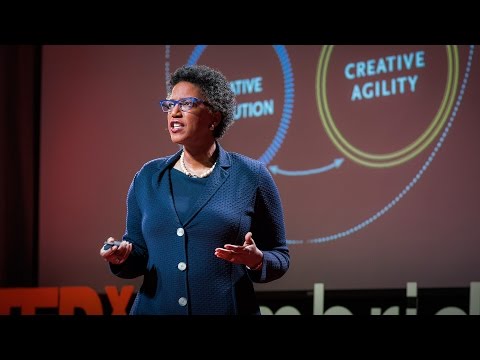
Linda Hill: How to manage for collective creativity
Leadership in Innovation
The speaker, a business professor, discusses the need to rethink traditional leadership concepts for fostering innovation based on ethnographic research of exceptional leaders.
Understanding Innovation
- Innovation is defined as something new and useful, encompassing products, services, processes, or organizational methods.
- Innovation involves collective genius rather than solo brilliance, exemplified by the collaborative effort behind Pixar movies.
The Pixar Approach to Innovation
- Pixar's innovation process involves iterative development where each scene evolves over time.
- Creating a Pixar movie requires teamwork and continuous refinement, with no part considered finished until the entire project is complete.
Unleashing Collective Genius
- Encouraging individual contributions leads to subtle yet significant improvements in the overall innovation process.
- Successful innovation entails unleashing diverse talents within a collaborative problem-solving framework.
Key Capabilities for Innovative Organizations
- Innovative organizations thrive on creative abrasion through constructive debates that amplify differences.
Collaborative Problem Solving and Decision Making
This section discusses the importance of creative resolution in decision-making processes within innovative organizations like Pixar and Google.
Creative Resolution for Innovative Organizations
- Innovative organizations attribute failures to external factors, emphasizing creative resolution.
- Pixar and Google prioritize patient, inclusive decision-making processes for both/and solutions over either/or solutions.
- Example of Google's infrastructure group showcasing emergent group formation for solving challenges.
- Google's approach of allowing teams to work independently on different solutions with honest debate.
- Selection of the most suitable solution based on evidence while retaining learnings from alternative approaches.
Leadership in Innovation
This part delves into the leadership styles at Pixar and Google that foster innovation through collaborative problem-solving and integrated decision-making.
Leadership Styles at Pixar and Google
- Mastery of collaborative problem-solving, discovery-driven learning, and integrated decision-making enables innovation.
- Importance of visionary leadership in fostering innovation within organizations like Pixar and Google.
- Bill's leadership style at Google characterized by nurturing talent for cocreation rather than traditional top-down leadership.
Creating an Innovative Environment
The focus shifts to creating an environment conducive to innovation by building a sense of community and fostering collaboration.
Fostering Innovation Environment
- Emphasis on building a community where people feel they belong fosters innovation at Pixar.
- Prioritizing design elements that encourage interaction, diverse voices, and generous credit allocation in the organization.
Leadership Insights
In this section, the speaker shares insights on leadership styles and strategies for fostering innovation within organizations.
Hiring Diverse Thinkers
- Hiring individuals who challenge your viewpoints can stimulate creativity and innovation within a team.
Embracing Ambiguity
- Being deliberately vague at times can encourage collaboration and the sharing of talents among team members.
Creating a Supportive Environment
- Leaders should focus on creating an environment where people feel comfortable sharing their ideas and collaborating.
Innovation in Unexpected Places
This segment discusses examples of innovative practices in unexpected organizational settings.
Collaboration in Unconventional Industries
- Examples include a pharmaceutical company's legal department fostering collaboration among competitors and a German automaker empowering design engineers for innovation.
Transformation at HCL Technologies
- Vineet Nayar transformed HCL Technologies by shifting focus to bottom-up innovation, recognizing the potential of employees closest to customers.
Empowering Innovation Through Leadership
The importance of leadership in driving innovation by empowering employees at all levels.
Inverting Organizational Structure
- By flipping the traditional hierarchy, organizations can unleash the innovative potential of all employees, leading to increased quality and speed of innovations.
Setting the Stage as Leaders
Understanding the role of leaders in setting the stage for innovation rather than being the sole performers.
Visionary Leadership
- Effective leaders understand that their role is to create an environment conducive to innovation rather than being the primary innovators themselves.
Turn any video into a summary like this
YouTube links, meetings, lectures. With transcripts, search, and chat.