Die 7 beliebtesten Weihnachtssüßigkeiten | Galileo | ProSieben
What Are the Most Popular Christmas Sweets in Germany?
Introduction to German Christmas Sweets
- The video introduces the topic of popular Christmas sweets in Germany, highlighting traditional treats like gingerbread and marzipan.
- It sets the stage for a countdown of the top seven favorite sweets among Germans during the Advent season.
Marzipan: A Sweet Tradition
- Marzipan is identified as a key sweet, made from almonds and sugar, often shaped into festive forms such as potatoes or chocolate-covered pralines.
- The origins of marzipan trace back to the Orient, where it was considered a delicacy over 1000 years ago and initially used as medicine in Europe.
- Lübeck emerges as Germany's marzipan capital, with over 200 recipes based on almonds that are praised for their health benefits due to high B-vitamin content.
Christstollen: A Historical Delight
- The sixth most popular sweet is Christstollen, first mentioned in 1474. Originally a fasting bread made only from water and yeast.
- Papal approval allowed butter to be added later, enhancing its flavor; today’s stollen must contain at least 500 grams of butter per kilogram of flour to be authentic.
- Dresden's Christstollen is particularly famous, with strict regulations governing its production.
Dominosteine: A Unique Confectionery
- Dominosteine ranks fifth; these cube-shaped sweets consist of layers including marzipan and gingerbread.
- Invented by chocolatier Herbert Wendler in Dresden in 1963, they became known as an affordable treat for those with limited means.
- Nutritional expert Monika Bischoff notes that despite being calorie-dense (420 kcal per 100g), they are filling due to their rich ingredients.
Spekulatius: Spiced Cookies
- The fourth place goes to Spekulatius cookies, which feature exotic spices and are traditionally enjoyed during Christmas time.
- Originating from both Holland and Belgium, these cookies have become popular throughout Germany via Westphalia.
- Their name derives from Latin meaning "mirror image," reflecting their decorative shapes created using wooden molds.
Chocolate Santa Claus: A Classic Favorite
- In third place are chocolate Santas—classic holiday treats produced extensively across Germany each year.
History and Popularity of Christmas Sweets
The Evolution of Chocolate Figures
- The first chocolate Santa Clauses appeared in 1820, featuring a bishop's hat and were made from solid chocolate.
- By the mid-19th century, these figures became hollow to reduce costs, leading to increased sales during the Christmas season.
Variety and Quality of Christmas Chocolates
- A wide selection of chocolate figures is available today, including various flavors beyond traditional milk chocolate.
- It's important to choose high-quality dark chocolates; white chocolate is often criticized for being low quality as it mainly consists of fat and sugar.
Misconceptions About Leftover Chocolates
- Contrary to popular belief, leftover Christmas chocolates are not transformed into Easter bunnies but are sold at half price or donated to those in need.
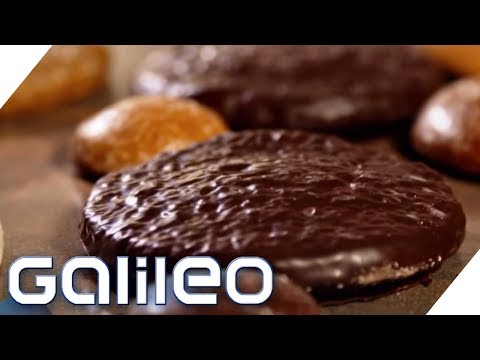
The Legacy of Gingerbread
- Gingerbread has been enjoyed for over 1,000 years; ancient Egyptians consumed honey cakes while Romans sold them.
- Modern gingerbread originated in Belgium during the 12th century before spreading to cities like Aachen and Nuremberg in Germany.
Nutritional Benefits of Gingerbread
- Nutrition expert Monika Bischoff highlights three advantages of gingerbread: its variety compared to other sweets, high nut content, and beneficial spices that may help reduce inflammation.
Popularity of Traditional Christmas Cookies
- Among German holiday treats, traditional cookies made from butter, flour, and salt rank as the most popular.