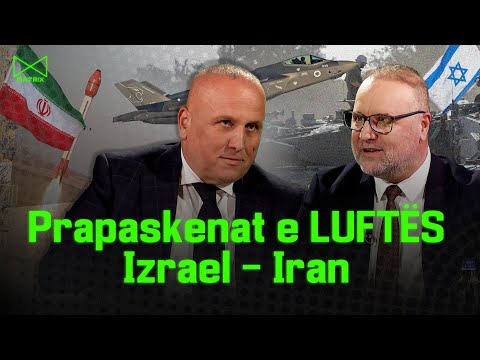
Prapaskenat e luftës Izrael - Iran, MEHMET KALISI & ILIR KULLA - MATRIX | 22.04.2024 @teve1
Matrix: A Unique Perspective on Geopolitics
Introduction to Matrix and Its Themes
- The show "Matrix" aims to address local and regional events, particularly focusing on security issues while elevating professional standards in media discussions.
- Unlike other programs, "Matrix" seeks to eliminate toxic discourse that hampers constructive public dialogue, drawing parallels with the film's themes of choice and reality.
The Symbolism of Choices in Matrix
- The red pill symbolizes the harsh truth of reality, while the blue pill represents comfort within illusion. This metaphor is used to discuss difficult choices faced by individuals.
- The discussion highlights Iran's geopolitical maneuvers, including missile threats towards Israel, emphasizing the complexities of international relations.
Analysis of Regional Tensions
- Reports indicate that Iranian missiles were launched towards Israel without hitting their intended targets, showcasing limitations in military capabilities.
- Analysts suggest that Iran's actions are strategic but limited due to constraints on its military arsenal.
Expert Insights on Security Dynamics
- Ilir Kula, a national security expert with extensive academic credentials, provides insights into Israeli security concerns and regional dynamics.
- Kula has a rich background in political advisory roles and has worked extensively in both local and international academic institutions.
Historical Context and Personal Background
- Kula discusses his upbringing in Albania and how historical narratives shape current geopolitical perspectives.
- He reflects on his educational journey through various institutions which influenced his understanding of regional conflicts.
Broader Implications for Geopolitical Relations
- The conversation touches upon Ottoman influences in modern geopolitics and how historical agendas continue to affect contemporary issues.
- Kula emphasizes the importance of understanding historical contexts when analyzing current events related to Middle Eastern politics.
This structured summary encapsulates key discussions from the transcript while providing timestamps for easy reference.
Reflections on Historical Context and Personal Experiences
Discussion of Historical Figures and Events
- The speaker reflects on the significance of historical figures in Albanian history, particularly focusing on Faruku and Zogu, emphasizing their roles during critical periods.
- There is a mention of the relationship between Albania and Italy, highlighting how these connections influenced political dynamics and personal experiences during that era.
- The narrative includes insights into military decisions made by Faruku in Italy, showcasing the complexities of leadership during tumultuous times.
Impact of Communism
- The speaker discusses the pressures faced under communist rule, detailing how it affected local communities and individual freedoms.
- A focus is placed on patriotism within rural areas, illustrating how communism shaped identities and resistance among locals.
Personal Anecdotes
- The speaker shares personal anecdotes about interactions with residents and their perspectives on historical events, providing a human element to the discussion.
- There are reflections on sports as a cultural unifier amidst political strife, indicating its role in community bonding.
Character Development Through Adversity
- Emphasis is placed on individual character development through challenges faced during historical upheavals; moral values are highlighted as essential for resilience.
- The importance of education and self-improvement is discussed as a means to overcome adversity, suggesting that personal growth can lead to broader societal advancements.
Future Aspirations
- The speaker expresses aspirations for future endeavors in artificial intelligence, indicating a desire to contribute positively to society through technological advancements.
- A brief mention of ongoing discussions regarding geopolitical conflicts (Iran-Israel), hinting at an awareness of current global issues while reflecting on past experiences.
This structured summary captures key themes from the transcript while linking back to specific timestamps for further exploration.
Discussion on Media and Military Operations
Overview of Italian Media Coverage
- The speaker discusses the portrayal of American soldiers in Iraq by Italian media, highlighting the use of specific images and videos that have sparked public interest.
- There is a mention of the context in which these images were presented, emphasizing the role of negotiation within military operations.
Claims about Financial Aspects
- The speaker challenges claims made by various media outlets regarding financial issues related to military operations, asserting that many reports are misleading or false.
- They emphasize the importance of understanding the underlying motivations behind such narratives, particularly concerning millions involved in military funding.
Historical Context and Civilian Impact
- A discussion on historical events post-Saddam Hussein's regime in Iraq reveals significant civilian casualties and ongoing destabilization issues.
- The speaker reflects on how these events have shaped perceptions and realities within Iraq, stressing the need for accurate representation in media narratives.
Militancy and Communication Dynamics
- The conversation shifts to militant groups operating within Iraq, discussing their communication strategies and interactions with local populations.
- Insights into how these groups leverage communication to influence public perception are provided, indicating a complex relationship between militants and civilians.
American Invasion Consequences
- The impact of the American invasion on Iraqi governance is analyzed, noting corruption within administrative structures as a significant barrier to stability.
- The speaker critiques U.S. policies during this period, suggesting they contributed to further complications rather than resolving existing issues.
Global Security Implications
- A broader perspective on global security is introduced through discussions about attacks against Israeli interests linked to Iranian influence.
- The narrative highlights how regional conflicts can affect international relations and public opinion across Western nations.
Conclusion: Narratives in Conflict Zones
- Finally, there’s an exploration of how narratives surrounding conflicts evolve over time, particularly focusing on Gaza's situation as it relates to broader geopolitical dynamics.
- The speaker emphasizes the necessity for nuanced understanding when analyzing conflict-related information from various sources.
Iran's Role in Regional Conflicts
Iran's Influence on Palestine
- The speaker discusses Iran's vested interest in the Palestinian conflict, suggesting that it aims to solidify its imperialistic ambitions in the region.
- There is a belief that Iran seeks to leverage conflicts involving Arab nations such as Iraq and Yemen to enhance its influence.
Regional Dynamics and Actors
- The speaker highlights various regional players like Turkey, Qatar, Saudi Arabia, and Egypt, emphasizing their roles alongside Iran concerning Gaza.
- The discussion touches on the strategic interests of these countries in relation to Gaza and how they interact with Iranian objectives.
Extremism and Internal Conflicts
- The conversation shifts towards extremism within Israel and its implications for broader regional stability, noting that internal divisions complicate matters.
- The speaker mentions ongoing conflicts between Iran and Syria, indicating a complex web of control over Syrian territory.
Historical Context of Iranian Actions
- A reference is made to past attacks on embassies and consulates as part of Iran’s historical narrative regarding its foreign policy actions.
- The role of technology in warfare is discussed, particularly focusing on Hamas' use of advanced rocket technology supplied by Iran.
Current Conflict Landscape
- The speaker asserts that the real issue lies not just with Gaza but also with Lebanon's relationship with Israel, highlighting a shift in focus from one area to another.
- There are reflections on how recent events have shaped perceptions about Israeli military effectiveness against groups like Hamas.
Future Implications for Israel and Palestine
- A warning is issued regarding potential escalations if current tensions continue unchecked; there are calls for understanding the underlying dynamics at play.
- Discussion includes predictions about future confrontations based on historical patterns observed over recent years.
Intelligence Operations and Strategic Insights
- Emphasis is placed on intelligence operations within military contexts as crucial for understanding regional power plays.
- Concluding thoughts suggest that ongoing crises will continue to shape interactions among Palestinians, Lebanese factions, Arabs, and Israelis moving forward.
Middle East Dynamics and U.S. Foreign Policy
Overview of Actors and Factors in the Middle East
- Discussion on the role of various actors in shaping the Middle Eastern landscape, particularly during the Obama administration.
- Mention of George W. Bush's influence on Middle Eastern policies and how they contrast with those under Obama, especially regarding Egypt.
- Economic factors are highlighted as crucial for ensuring stability in the region amidst ongoing conflicts.
The Rise of Anti-ISIS Forces
- Examination of anti-ISIS military efforts and their implications for regional security dynamics.
- Analysis of Iran's involvement and its strategic interests in supporting certain factions against ISIS.
Regional Tensions and Military Capabilities
- Insights into Iran's military capabilities, including missile technology, which poses a threat to Israel.
- Discussion on the operational effectiveness of Iranian forces and their potential impact on regional stability.
Israeli-Iranian Relations
- Exploration of Israel's military preparedness against perceived threats from Iran, including missile attacks.
- Description of recent tensions along Israeli borders due to Iranian activities, emphasizing destabilization efforts.
Diplomatic Efforts and Negotiations
- Overview of international negotiations involving Iran concerning nuclear capabilities and regional security.
- Highlighting Iran’s messages to Israel regarding potential military actions and diplomatic overtures amid rising tensions.
Conclusion: Future Implications for Peace
- Reflection on the broader implications for peace in the region given current hostilities between Iran and Israel.
- Final thoughts on how these dynamics may shape future diplomatic relations among Middle Eastern countries.
Nuclear Tensions and Global Security
The Nuclear Landscape: Iran and Israel
- Discussion on the nuclear capabilities of Israel, highlighting its unofficial possession of nuclear weapons and the irony surrounding its nuclear program.
- Reference to historical events like Hiroshima and Nagasaki as a backdrop for understanding current nuclear threats, particularly from Russia and the USA.
Historical Context: The Manhattan Project
- Overview of the Manhattan Project's role in developing American nuclear capabilities, contrasting it with Russian technological advancements.
- Speculation about potential nuclear conflict between America and Russia, emphasizing the catastrophic consequences of such an event.
Current Technological Capabilities
- Examination of modern missile technology, including satellite control systems that could influence military strategies involving Iran and Israel.
- Insights into America's strategic positioning regarding missile defense systems in response to global threats.
Generational Shifts in Warfare Technology
- Commentary on how contemporary generations are equipped with advanced technologies that can impact warfare dynamics significantly.
- Discussion on the evolution of weaponry technology over time, stressing its implications for future conflicts.
Geopolitical Dynamics: NATO and Regional Powers
- Analysis of NATO's stance towards countries with nuclear capabilities like Pakistan, India, Iran, and North Korea amidst rising tensions.
- Consideration of deterrence theory regarding the use of nuclear weapons by various nations under specific circumstances.
Strategic Perspectives on Threat Assessment
- Insight into Steve Bannon’s views on geopolitical risks posed by Russia compared to China, suggesting a shift in focus for U.S. foreign policy.
- Reflection on Nixon's doctrine as a historical lens through which current international relations can be understood.
The Role of Diplomacy in Conflict Resolution
- Mention of Henry Kissinger’s diplomatic strategies during critical moments in history as a framework for addressing modern conflicts.
This structured summary encapsulates key discussions around global security issues related to nuclear arms while providing timestamps for easy reference.
Discussion on Military Aid and Economic Implications
Overview of Military Assistance
- The discussion begins with an emphasis on the importance of military aid, particularly in the context of economic stability and faith in governance.
- A comparison is made between the military assistance provided to Ukraine, Israel, and Taiwan, highlighting significant financial allocations for each country.
- The speaker notes that military funding is often routine in political discussions, especially during times of conflict.
Economic Impact of Military Funding
- The conversation shifts to how military expenditures affect national budgets and can lead to increased internal economic crises.
- It is pointed out that rising budgets due to war efforts can exacerbate existing economic issues within countries like Russia.
Global Energy Dynamics
- The implications of energy supply disruptions are discussed, particularly regarding oil prices and reserves amid geopolitical tensions.
- The potential for conflicts affecting energy channels such as the Strait of Hormuz is highlighted as a critical concern for global markets.
European Energy Policies
- There’s a call for Europe to renew agreements with Russia concerning gas supplies while balancing green energy initiatives against fossil fuel reliance.
- The impact of transportation costs on food prices and overall economic stability is examined, emphasizing risks associated with ongoing conflicts.
Security Concerns in Regional Conflicts
- A discussion arises about the necessity for nations to adapt their defense strategies based on evolving threats from regional conflicts.
- Insights into Serbia's political maneuvers regarding Kosovo are shared, indicating ongoing tensions and strategic positioning within the region.
Political Strategy Analysis
- An analysis of Serbian political documents reveals insights into their diplomatic strategies and intentions towards Kosovo's sovereignty.
- Emphasis is placed on understanding Serbia's constitutional framework as it relates to its approach toward Kosovo’s status.
This structured summary captures key themes from the transcript while providing timestamps for easy reference.
Transcript Summary Discussion on Regional Stability and Political Dynamics
The Role of Serbia in Regional Tensions
- The speaker emphasizes the ongoing issues in Kosovo, highlighting Serbia's strategic documentation that contributes to regional instability.
- A warning is issued regarding Serbian participation in a referendum, suggesting that their involvement could be linked to historical grievances and past atrocities.
- There is a call to reject Serbian participation in voting processes due to perceived threats against the Serbian public in Bosnia.
Historical Context and Current Implications
- The speaker discusses the lack of stability in the region, citing military presence and resource control as factors contributing to ongoing conflicts across the Balkans.
- An analysis of Serbian identity politics reveals a disconnect between perceptions of statehood among Serbs and their views on Kosovo's sovereignty.
Political Dynamics and Future Prospects
- The discussion touches upon political realities within Kosovo, emphasizing the need for effective governance amidst historical tensions.
- Insights into European political dynamics are shared, particularly concerning how past leaders have influenced current political landscapes.
Challenges Facing Kosovo
- The speaker highlights challenges related to security aspects within Kosovo, stressing the importance of addressing these issues through diplomatic means.
- Acknowledgment is made of the sacrifices made during conflicts, with an emphasis on building a harmonious future for all ethnic groups involved.
Governance and Resource Management
- There is a critical view on governance structures within Kosovo, pointing out inefficiencies that hinder progress towards stability.
- Discussions about budget allocations reveal concerns over resource management and its impact on public services amid ongoing economic struggles.
Military Presence and International Relations
- The conversation shifts towards military strategies involving international partnerships with various countries for arms procurement.
- Emphasis is placed on understanding geopolitical influences from external powers like Russia and Iran in shaping local dynamics.
Discussion on the Ukraine Conflict and Regional Security
Overview of the Situation in Ukraine
- The speaker discusses the ongoing conflict in Ukraine, emphasizing its complexity and the challenges faced by those involved.
- There is a mention of the need for a unified approach to support Ukrainian efforts against external aggression, highlighting the importance of international solidarity.
Military and Strategic Considerations
- The discussion touches on military strategies, including training and equipping forces to enhance operational capabilities against adversaries.
- Emphasis is placed on improving economic, operational, technological, and defensive capacities to counteract potential threats effectively.
Role of Drones and Technology
- The speaker highlights the significance of drone technology in modern warfare, particularly referencing Turkey's contributions to Ukraine's defense capabilities.
- Training programs for operating drones are discussed as essential for enhancing combat effectiveness.
Political Dynamics in Kosovo and Turkey
- The conversation shifts to regional politics, focusing on Turkey's military presence in Kosovo and its implications for local security dynamics.
- Relationships between political leaders in Kosovo are analyzed, noting their impact on regional stability and cooperation with Turkey.
Electoral Prospects in North Macedonia
- Insights into electoral prospects reveal challenges facing Albanian candidates in North Macedonia’s upcoming elections.
- Discussion includes potential outcomes based on current polling data and party dynamics within the region.
Conclusion: Future Implications
- The speaker reflects on broader implications for political stability across Balkan nations amid rising tensions.
- A call for strategic unity among political parties is made to address common challenges effectively.
Political Narratives and Albanian Identity
The Role of Conditions in Political Narratives
- The speaker discusses the importance of conditions that will not clash with Macedonian interests, emphasizing that these conditions are crucial for maintaining political narratives.
- There is a focus on how independence affects the political landscape, suggesting that it will shape future discussions and decisions within the parliament.
- The speaker expresses concern about potential conflicts arising from differing party agendas among Albanians, hinting at internal divisions.
Reflections on Albanian Representation
- The discussion highlights the significance of Albanian representation in political dialogues, particularly regarding their historical narrative and identity.
- An acknowledgment is made towards Ilir, indicating a sense of camaraderie and appreciation for participation in the studio discussion.
- The speaker emphasizes the need for unity among Albanians to effectively address challenges posed by external parties.