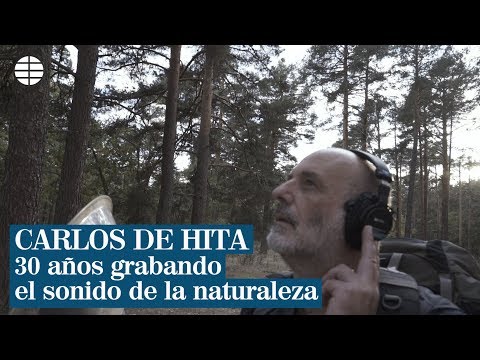
Carlos de Hita: 30 años grabando el sonido de la naturaleza
The Art of Field Recording: Patience and Technique
Importance of Patience in Field Recording
- The primary tool for field recording, especially in wildlife contexts, is patience; one must dedicate time to allow natural events to unfold.
Selecting Acoustic Elements
- Effective sound montage requires careful selection of acoustic elements from the environment, such as wind, water, and animal sounds, recorded individually for later assembly.
Challenges with Animal Behavior
- Animals do not perform on cue; thus, directional microphones are essential. Recordists must wait for optimal conditions free from noise disturbances like planes or cars.
Organizing Sound Libraries
Managing Recorded Sounds
- A well-organized sound library is crucial; it contains various recordings that can be used creatively in sound montages.
Length Considerations in Sound Editing
- Online content often favors shorter clips; lengthy natural sounds may need editing to fit audience expectations while maintaining their essence.
Seasonal Variations in Natural Sounds
Changes Throughout the Year
- Each location has unique sounds that vary by season; spring is noted as a peak time for auditory activity in nature.
Twilight: A Unique Auditory Experience
- The transition from day to night creates a rich tapestry of sounds as different species overlap their calls during twilight hours.
The Complexity of Nighttime Sounds
Layering Nocturnal Voices
- As night falls, new voices emerge gradually; this layering effect contributes to a complex nighttime soundscape that evolves over time.
Listening Techniques
- Proximity to water enhances listening experiences at night due to clearer acoustics. Observers can hear distant sounds more distinctly under calm conditions.
Summarizing the Experience
Capturing the Essence of Nature
- In just a few minutes, effective audio montages can encapsulate the sequence and sensations experienced in nature, akin to creating visual art through film or painting.