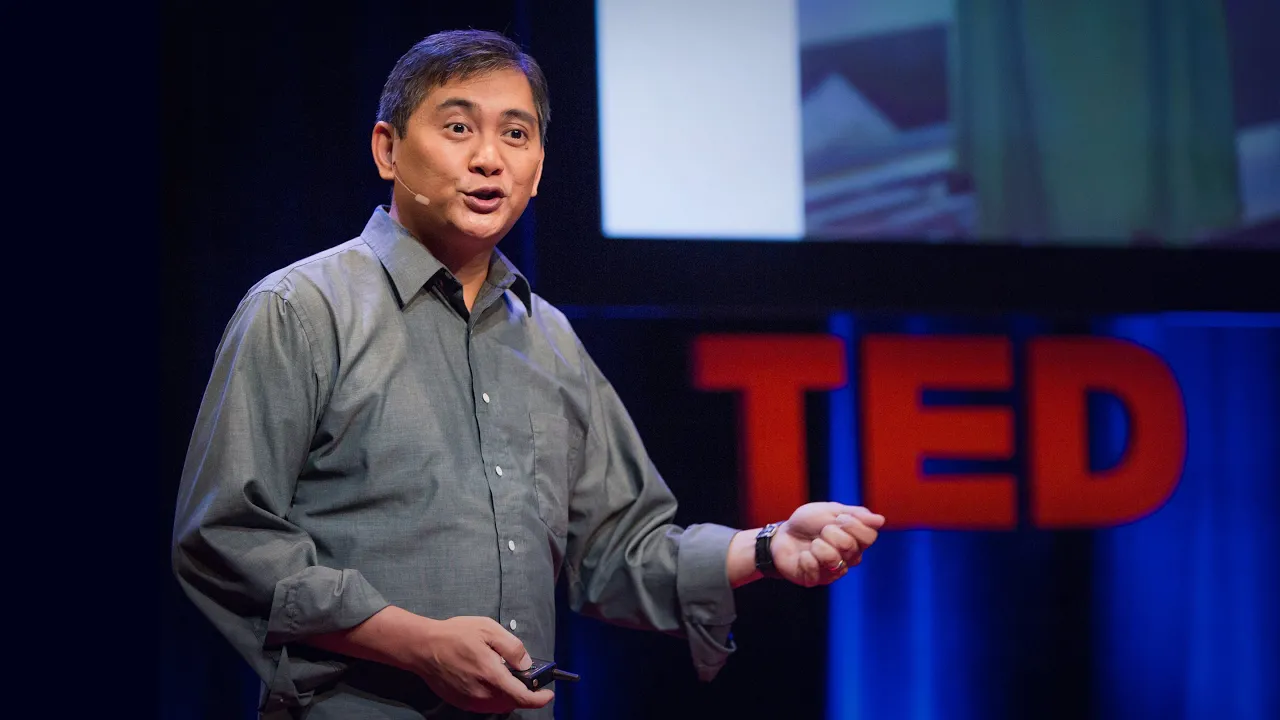
Francis de los Reyes: Sanitation is a basic human right
Engineering Professor's Journey
The professor discusses his career focused on wastewater treatment plants, human waste, and sanitation issues globally.
Engineering and Human Waste
- The professor uses molecular techniques to study microbial populations in biological reactors for system optimization.
- Highlights the importance of understanding different sanitation practices like washing and wiping for solving global sanitation issues.
- Emphasizes the critical impact of inadequate sanitation on health, with 1.5 million child deaths annually due to this issue.
Challenges in Sanitation Infrastructure
- Describes the challenges faced in areas without modern toilets, leading to open defecation and subsequent health risks.
- Discusses the repercussions of scaling up pit latrines in regions like South Africa, where full pits result in unhygienic conditions and manual cleaning processes.
Rethinking Sanitation Solutions
The professor delves into the limitations of traditional flush toilets and advocates for a systems thinking approach towards reinventing sanitation infrastructure.
Limitations of Flush Toilets
- Explains why building Western-style flush toilets is not feasible for addressing global sanitation challenges due to cost, water scarcity, and environmental concerns.
- Critiques the current sanitation model that pollutes rivers with treated wastewater from flush toilets, calling for a reevaluation of this approach.
Systems Thinking in Sanitation
- Advocates for a holistic view of the sanitation chain from user interface to waste collection, treatment, and reuse.
- Proposes innovative solutions like urine-diverting toilets for separating waste components to enable resource recovery and sustainable practices.
Funding Sanitation Infrastructure
- Argues that governments should prioritize funding sanitation infrastructure akin to other essential public services based on the significant returns on investment demonstrated by studies.
New Section
In this section, the speaker discusses a simple solution devised by students to address waste management issues in pits, emphasizing the need for testing and professionalization of the service.
Students' Innovative Solution
- The students developed a modified screw auger to move waste from the pit into a collecting drum, eliminating the need for pit workers to enter.
- Successful testing in South Africa indicates feasibility, with plans for further robustness testing in Malawi and South Africa.
- The goal is to establish a professionalized pit-emptying service as a sustainable business venture generating profits and job opportunities.
New Section
This part focuses on the broader implications of rethinking sanitation practices, highlighting the importance of extending pit life and ensuring access to adequate sanitation as a fundamental human right.
Rethinking Sanitation Practices
- Emphasizes the importance of extending pit life through innovative solutions to avoid unsustainable quick fixes.
- Advocates for adequate sanitation as a basic human right that should not involve lower castes or individuals with lower status emptying pits.
Turn any video into a summary like this
YouTube links, meetings, lectures. With transcripts, search, and chat.