22
Understanding Fear of Failure
Introduction to the Topic
- The group coaching call begins with a warm welcome and an introduction to the topic of fear, particularly focusing on failure.
- Participants are encouraged to engage by sharing their experiences with fear around failure, highlighting its commonality.
Nature of Fear and Failure
- The speaker emphasizes that fear of failure is a normal human experience, often tied to our expectations and perceptions.
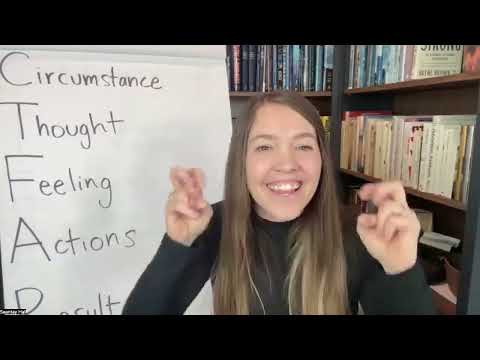
- It is noted that feelings stem from thoughts; discomfort arises not from outcomes but from our interpretations of those outcomes.
Understanding Failure
- The speaker discusses how the brain prefers certainty and struggles with unknown outcomes, which can lead to perceiving situations as failures.
- A scientific definition of failure is presented: "the omission of required action," suggesting a neutral perspective on what it means to fail.
Reframing Thoughts on Failure
- Viewing failure neutrally allows individuals to analyze it without self-deprecation or emotional turmoil, making it easier to address.
- The importance of thought deconstruction is introduced; awareness of one's thoughts is crucial for managing emotions related to goals.
Managing Overwhelming Thoughts
- An analogy involving spaghetti noodles illustrates how overwhelming thoughts can be difficult to manage when viewed collectively.
- By breaking down thoughts into manageable pieces (like individual spaghetti noodles), one can more easily address negative thinking patterns.
Setting Goals for Growth
Importance of Small Goals
- Setting small goals leads to achievable successes, fostering feelings of accomplishment and confidence in individuals.
Embracing Larger Goals
- While small goals provide safety, larger goals push individuals out of their comfort zones, facilitating personal growth through discomfort.
Growth Through Discomfort
- Engaging with larger goals allows for significant shifts in self-perception and skills development, enhancing overall personal growth.
Understanding the Impact of Goal Setting and Failure
The Challenge of Big Goals
- Setting large goals can lead to feelings of failure when we fall short, often resulting in negative self-perception.
- Common negative thoughts include feelings of inadequacy or hopelessness when goals are not met, reinforcing a discouraging mindset.
Reframing Failure
- It is possible to approach goal-setting with a positive mindset, deciding beforehand to be proud of oneself regardless of the outcome.
- Many individuals experience a cycle of motivation followed by disappointment when they do not meet their goals, leading to frustration and reluctance to set future goals.
Recognizing Progress
- Instead of labeling experiences as failures, it’s beneficial to acknowledge progress made towards goals, celebrating small wins along the way.
- Reflecting on what was achieved rather than focusing solely on unmet targets can foster a more positive outlook on personal growth.
Compassionate Self-Reflection
- When reflecting on goal achievement, it's important to approach the situation with curiosity rather than shame about missed targets.
- Choices made during the process should be viewed neutrally; prioritizing other tasks does not equate to failure but reflects decision-making processes.
Embracing Failure as Part of Success
- Success is often built upon a series of failures; avoiding risk due to fear of failure limits opportunities for growth and learning.
- The worst-case scenario is not failing but never attempting at all; trying—even if unsuccessful—provides valuable experiences that contribute to personal development.
Analyzing Outcomes
- Evaluating our efforts without harsh judgment allows for better understanding and improvement in future endeavors.
- Continuous analysis helps identify patterns in behavior and thought processes related to success and failure.
This structured overview captures key insights from the transcript regarding goal setting, self-reflection, and reframing perceptions around failure.
Understanding Failure and Success in Business
The Role of Neutral Analysis
- Our brains are adept at identifying problems, but it's crucial to analyze business data neutrally to avoid negative self-assessment.
- Data points such as class attendance and follow-ups should be viewed as neutral facts that inform decision-making rather than indicators of personal failure.
- Viewing data neutrally empowers us to create better plans and focus on constructive actions instead of self-doubt.
Curiosity Over Judgment
- Failure signifies a missing element rather than a personal shortcoming; curiosity about what is missing can lead to problem-solving.
- Embracing curiosity allows for the generation of creative solutions and inspiration, enhancing our ability to innovate.
Addressing Fear of Success
- Fear of success often stems from an aversion to uncomfortable emotions associated with achievement, leading to self-sabotage.
- High-vibrating emotions like joy or connection can feel overwhelming, causing individuals to retreat from potential success due to safety concerns.
Exploring Emotional Responses
- Reflecting on what success feels like—whether it’s pride, accomplishment, or freedom—can clarify motivations behind goals.
- Asking oneself why they fear success can reveal underlying beliefs about responsibility or busyness without needing deep psychological exploration.
Analyzing Thoughts and Actions
- Identifying thoughts related to achieving goals helps understand emotional responses; for instance, fearing that success won't last leads to anxiety.
- Recognizing how these feelings influence behavior—such as avoidance or overcompensation—can perpetuate the cycle of perceived failure.
Engaging in Coaching Discussions
- The value of witnessing coaching sessions is highlighted; participants often find insights through others' experiences more beneficial than their own direct coaching.
Coaching Insights and Personal Growth Journey
The Power of Perspective in Coaching
- The speaker reflects on the value of observing others being coached, noting that it often provides clarity about their own challenges. This external perspective helps them implement insights into their personal life.
Accountability and Self-Reflection
- Acknowledging personal responsibility is crucial; the speaker realizes that they have reasons for their current situation, moving away from blaming external factors. This shift fosters accountability and self-awareness.
Emotional Exhaustion from Goal Setting
- The speaker shares a past experience where achieving goals led to emotional, physical, and mental drain. They express reluctance to set new goals due to fear of repeating this overwhelming experience.
Identifying Challenges in Business Growth
- The speaker discusses feelings of overwhelm associated with business growth efforts, emphasizing that even before reaching significant milestones, the process felt excessively difficult.
Exploring Solutions through Curiosity
- The conversation shifts towards understanding why certain tasks feel too difficult. It encourages curiosity about specific challenges rather than accepting them as facts, opening up possibilities for solutions.
Time Management and Healthy Boundaries
- Acknowledging the need for balance, the speaker contemplates healthier ways to grow their business without sacrificing well-being. They recognize that setting boundaries around work hours is essential for sustainable growth.
Embracing Seasonal Efforts in Business
- The idea of seasonal effort is introduced; intense periods of work can be beneficial but should be balanced with rest. Recognizing this allows for new decisions regarding time management and workload distribution.
Establishing Work-Life Boundaries
- The importance of defining clear work hours is emphasized. By respecting these boundaries, individuals can maintain a healthier relationship with their business while avoiding burnout from overcommitment.
Understanding Boundaries and Overwhelm in Business
The Challenge of Maintaining Boundaries
- The speaker reflects on a personal experience of breaking boundaries, questioning the reasons behind it and acknowledging that it's not solely due to the demands of doTERRA.
Shifting Perspectives on Work
- A transition from feeling heavy about work to embracing curiosity is discussed. The speaker expresses a desire for their ideal schedule to be enjoyable rather than burdensome.
Joy in Professional Engagement
- Despite enjoying interactions with clients, products, and team members, the speaker admits to losing joy due to an intense focus on goals.
Fear of Success and Capacity Concerns
- Roshna shares her fear of success while managing multiple responsibilities, including family and mentoring a team. She feels overwhelmed by the prospect of expanding her business.
Managing Overwhelm Through Thought Patterns
- The discussion highlights how questions like "How am I going to manage more?" can create feelings of heaviness. It emphasizes reframing these thoughts into statements that reflect underlying fears.
Recognizing Emotional Responses
- When faced with overwhelming thoughts, physical sensations such as nervousness in the stomach are identified as indicators of stress related to capacity management.
Balancing Giving and Receiving
- The conversation explores the cycle between giving more in business while also allowing oneself to receive more support or resources.
Exploring Possibilities for Expansion
- Questions are posed about what managing more could look like, encouraging exploration beyond immediate limitations and considering potential support from teams or community.
Actions Driven by Overwhelming Thoughts
- Feelings of being unable to manage lead individuals to pull back from growth opportunities. This behavior often manifests as reduced follow-up or neglecting small steps necessary for progress.
Re-Energizing Support Systems
- Roshna reflects on re-evaluating her sources of support beyond just her team or partner, suggesting that family and community can also play significant roles in managing overwhelm.
How to Manage Overwhelm and Delegate Effectively
Understanding Personal Growth Through Delegation
- The speaker reflects on the importance of asking oneself how to receive more in order to give more, emphasizing self-awareness during overwhelming moments.
- Achieving significant goals, like becoming a diamond, requires personal growth and infrastructure to support that level of responsibility.
- The discussion highlights the necessity of delegation within teams and families, stressing the need for organization as one grows into new roles.
- Acknowledgment of the tendency to take on too much work instead of delegating tasks effectively; this realization prompts a reevaluation of current practices.
- Questions are posed about what actions may be counterproductive or ineffective in supporting team growth, urging reflection on one's contributions.
Emotional Involvement and Boundaries
- A participant shares their experience taking a two-week holiday for the first time in ten years, leading to unexpected emotional challenges related to control and responsibility.
- The emotional connection to work is explored; caring deeply about health and financial freedom can lead to over-involvement in others' issues.
- Reflection on transitioning back into growth mode after personal challenges while recognizing the importance of not judging oneself for past productivity levels.
- Concerns arise regarding maintaining health while engaging with new opportunities; there’s an acknowledgment that emotional involvement can detract from personal priorities.
- Discussion shifts towards boundaries; participants explore how being overly available can lead to burnout and stress.
Navigating Conversations Without Losing Self-Care
- One participant describes feeling overwhelmed by emotional investment in conversations with team members, leading them away from self-care routines.
- The struggle between wanting to support others while maintaining personal boundaries is highlighted; there's recognition that excessive involvement can lead to burnout.
- Participants discuss misconceptions around boundaries—emphasizing that they don’t always mean strict time blocks but rather finding balance without sacrificing well-being.
Setting Boundaries and Managing Energy
Understanding Personal Boundaries
- The importance of setting personal boundaries to protect areas of life that hold significant value, such as family time or spiritual practices.
- Identifying specific times when work may encroach on personal values, like during family activities or religious services.
Emotional Drainage and Work-Life Balance
- Discusses the emotional exhaustion that can occur even during permitted work hours, emphasizing the need for balance.
- Recognizes physical depletion and system overload as factors contributing to exhaustion; suggests finding ways to reset after intense periods of work.
Techniques for Resetting Energy Levels
- Suggests using short breathwork sessions (e.g., 10 minutes) as a method to recharge emotionally and physically.
- Encourages experimentation with different techniques to find what effectively helps in resetting energy levels.
Adjusting Routines for New Life Circumstances
- Acknowledges the need to adapt routines due to changes in life circumstances, such as having more children.
- Reflects on how past coping mechanisms may no longer be effective, highlighting the necessity for curiosity in discovering new methods.
Regulating the Nervous System
- Emphasizes awareness of emotional drainage and its impact on daily functioning; discusses strategies for nervous system regulation.
- Advocates for shorter yet effective practices (like breathwork), which can yield better results than longer activities that require more time commitment.
Practical Applications and Resources
- Recommends specific apps offering guided breathwork sessions ranging from three minutes to thirty minutes.
- Highlights the connection between nervous system regulation and reducing feelings of stress or urgency related to work commitments.
Wellness Techniques and Overcoming Self-Doubt
Exploring Effective Wellness Practices
- The speaker discusses a wellness tool called "pause," which they find beneficial for regulating the nervous system, inviting others to share their own helpful practices.
- Emphasizes that while major wellness activities like exercise and diet are important, small impactful actions can also significantly contribute to health.
- Shares personal experience with the aromatouch technique, highlighting its healing effects not just for recipients but also for those who administer it.
- Discusses the efficiency of practices like Qigong, noting that even short sessions can transform one's nervous system and reduce feelings of overwhelm associated with learning new techniques.
- Suggests simplifying wellness practices to avoid mental barriers that may lead to procrastination or overwhelm when trying something new.
Addressing Feelings of Inadequacy
- A participant expresses feeling overwhelmed by their current situation, likening it to being stuck in a loop of challenges without resolution.
- They raise concerns about fear of success and self-worth, questioning if they are deserving of success or capable enough to achieve it.
- The speaker encourages reframing thoughts around worthiness, suggesting it's a decision rather than something that needs proving through accomplishments.
- Reflecting on contrasting experiences from recent workshops, one participant grapples with feelings of inadequacy based on attendance numbers at events they hosted.
- The discussion shifts towards understanding how perceived failures (like low attendance) do not define personal worth or capabilities; it's essential to separate self-value from external validation.
Understanding the Loudness of Negative Thoughts
The Impact of Beliefs on Self-Perception
- Negative thoughts can feel overwhelmingly loud and impactful, leading to feelings of irrelevance and insignificance.
- These beliefs are often self-imposed; recognizing them as mere thoughts rather than facts is crucial for mental clarity.
The Concept of a Breakthrough Circle
- A breakthrough circle can be as simple as two people sharing thoughts; it doesn't require a specific structure or number of participants.
- Recognizing that feelings of unimportance are just thoughts allows individuals to set them aside temporarily and focus on meaningful interactions with others.
Levels of Awareness in Thought Management
- Developing awareness about one's thoughts is essential; it helps differentiate between negative self-talk and constructive thinking.
- This awareness enables individuals to access more compassionate and understanding perspectives, fostering genuine connections with others.
Decision-Making Amidst Doubts
- When contemplating significant decisions, such as renting a space for business, it's important to challenge the validity of negative beliefs about relevance and necessity.
- The fear of financial strain and its impact on family life can exacerbate these doubts, creating a cycle of anxiety around decision-making.
Navigating Circumstances vs. Thoughts
- Current living circumstances may seem unsuitable for professional activities due to distractions (e.g., children at home), but this perception is also rooted in thought patterns rather than objective reality.
- Believing that one cannot conduct activities at home leads to further complications in decision-making, reinforcing feelings of inadequacy and burdening oneself with additional worries about relevance and effectiveness.
Understanding Scarcity and Possibility in Personal Circumstances
The Impact of Beliefs on Actions
- If you believe that you cannot achieve something at home, it leads to operating from a place of scarcity, which influences your actions negatively.
- Operating in scarcity can create feelings of angst or desperation when trying to fill a space, making the situation less ideal.
Changing Circumstances vs. Avoiding Feelings
- Sometimes changing circumstances is an attempt to avoid confronting difficult emotions, which may lead to repetitive negative thoughts.
- Exploring the willingness to change circumstances can help differentiate between genuine solutions and avoidance tactics.
Exploring New Possibilities
- Being open to new ideas about what is possible at home (e.g., involving children or neighbors) can expand options for hosting gatherings.
- Identifying specific times when family members are not present can reveal opportunities for hosting events that were previously overlooked.
Overcoming Limiting Thoughts
- Rigid beliefs about one's living situation can block creativity and potential solutions; recognizing these thoughts is crucial for personal growth.
- The perception of one’s home as "not nice" is subjective; focusing on human connection rather than physical space can shift perspectives.
Managing Self-perception and Expectations
- Comparing oneself to others creates unnecessary shame and anxiety about hosting; embracing imperfections allows for more authentic interactions.
- Practicing self-compassion in one’s own space fosters acceptance and reduces the need for external validation through circumstance changes.
The Challenge of Thoughtwork
- Engaging in thoughtwork requires mental strength akin to physical exercise; it involves navigating discomfort while learning new skills.
- Honesty about motivations behind decisions (like renting a space versus using one's home) helps prevent feelings of desperation.
Exploring the Challenges of Hosting Circles
The Decision to Host Outside the Home
- The speaker discusses choosing to host circles outside their home as part of practicing thought management, indicating a readiness to confront personal challenges.
- They express concern that wanting to rent space for hosting may be a distraction from building their business due to fear of growth.
Rethinking Space Requirements
- The speaker shares personal experiences of successfully hosting circles in various unconventional locations, emphasizing flexibility and creativity in venue selection.
- They challenge the belief that one must have a dedicated space for hosting, encouraging questioning of this assumption.
Addressing Limiting Beliefs
- The discussion highlights the importance of recognizing limiting beliefs about relevance and capability when considering hosting options.
- The speaker encourages self-inquiry into feelings of irrelevance and explores how one can cultivate relevance through action.
Embracing Personal Choices
- Acknowledging that not wanting to host at home is valid, they emphasize the difference between "I can't" and "I don't want to."
- They illustrate that it’s possible to host while managing household dynamics, reinforcing autonomy in decision-making.
Exploring Alternatives and Opportunities
- The conversation shifts towards exploring other possibilities for hosting without incurring costs or feeling pressured by external opinions.
- By freeing oneself from certain thoughts about location and expenses, new opportunities may arise that challenge existing beliefs about relevance.
Reflection on Progress and Curiosity
- The speaker reflects on progress made in addressing these thoughts and suggests future modeling around them as an appropriate next step.
- They highlight the value of stepping back from negative thought loops, promoting curiosity as a tool for personal growth.
Conclusion: Openness to Ideas
- Gratitude is expressed for shared insights during discussions, underscoring the importance of being open-minded and curious throughout this journey.
- As time runs out, there’s anticipation for further exploration with another participant named Sophia.
Time Management and Self-Discipline
Scarcity Mindset Regarding Time
- The speaker expresses a scarcity mindset about time, feeling pressured due to limited hours available while their son is at school.
- They describe a routine of waking up early and utilizing various moments throughout the day to accomplish tasks, but feel stressed about the limited time.
Impact of Stress on Productivity
- The speaker acknowledges that stress and exhaustion hinder their productivity, questioning the effectiveness of working when tired.
- A discussion arises about whether it's better to work in the morning or evening when well-rested; the preference for morning work is noted.
Importance of Sleep and Boundaries
- Emphasis is placed on respecting bedtime as crucial for maintaining efficiency and happiness; self-discipline is highlighted as essential for keeping this boundary.
- The speaker admits to wasting time before bed, leading to late nights and insufficient rest, which compounds feelings of inadequacy regarding time management.
Reframing Time Perception
- A suggestion is made to leave tasks unfinished if necessary, prioritizing sleep over completing everything at the expense of rest.
- The idea that whatever can be accomplished in a given timeframe should be deemed sufficient is introduced; time itself is described as a construct.
Managing Evening Routines
- Discussion revolves around how distractions during designated work times can warp perceived productivity; managing focus within set hours becomes critical.
- The necessity of adhering to bedtime routines for health reasons is emphasized; proper sleep supports overall functioning.
Shifting Identity Around Commitments
- The speaker reflects on personal identity related to commitment levels, suggesting a shift towards valuing an earlier bedtime as part of self-care.
- Encouragement is given to list reasons for loving an early bedtime, reinforcing its importance in achieving daily goals effectively.
Personal Experience with Early Mornings
- A personal anecdote highlights the benefits experienced from waking up early (around 4 a.m.), contrasting it with less productive late-night hours.
Prioritizing Effective Morning Routines
- Establishing an effective morning routine could potentially eliminate the need for external help like babysitters by maximizing productivity during school hours.
Planning Evening Activities
- Consideration of how evening activities should be structured around stopping work by 8 p.m. ensures adequate preparation for bed.
Bedtime Routines and Self-Coaching
Understanding Bedtime Dynamics
- The speaker discusses the typical bedtime for a child, noting that it usually falls between 7:00 and 7:30 PM, with an additional 30 to 60 minutes needed for the child to settle down.
- A shift in mindset is suggested regarding post-bedtime activities; instead of viewing this time as work time, consider it as preparation for rest.
- Emphasizes the importance of being honest about available time after putting the child to bed, which realistically may only be around 30 minutes before needing to wind down.
Transitioning from Work to Wind Down
- Introduces the concept of "wrap up" time rather than work time. This period should focus on closing out the day effectively without adding stress or workload.
- Wrap up activities might include jotting down tasks for tomorrow or responding to essential messages, aimed at creating a smooth transition into personal downtime.
Self-Coaching Techniques
- Encourages self-reflection on feelings towards bedtime; questioning why one might resist going to bed can lead to insights about personal well-being and sleep importance.
- Highlights the role of self-coaching throughout the week, suggesting that individuals can guide themselves through their thoughts about bedtime and productivity.
Closing Thoughts on Routine Management
- The conversation wraps up with a prompt about business-building activities during early morning hours (4 AM - 6 AM), indicating a potential topic for future discussion.
- Acknowledges challenges related to sleep routines and suggests practical strategies like organizing phone usage to improve overall sleep quality.