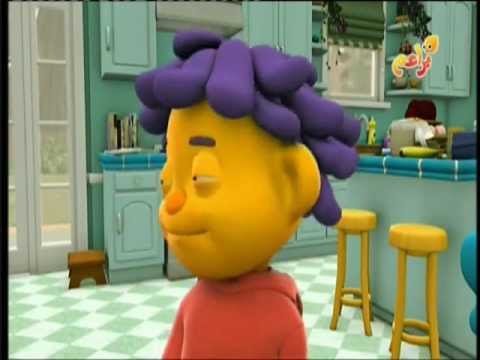
براعم : زيد والعلوم - المثلجات
Exploring Why Ice Cream Melts
Introduction to the Experiment
- The speaker, Zaid, introduces a discussion about ice cream and its melting process, expressing curiosity about why things change.
- Zaid invites friends to explore together how different items behave under various conditions, particularly focusing on ice cream.
The Ice Cream Incident
- Zaid shares a personal experience where his mother's homemade ice cream melted overnight, raising questions about why it doesn't stay frozen.
- He expresses disappointment but sees it as an opportunity to learn more about freezing and melting processes.
Learning Through Experimentation
- Zaid decides to investigate the science behind freezing by using a computer for research with his mother’s help.
- They begin making their own ice cream by layering banana slices and sticks in a cup before placing it in the freezer.
Anticipation of Results
- As they prepare for school, Zaid discusses the excitement of waiting for their homemade ice cream to freeze properly.
- He encourages others to think about their experiences with frozen items that have melted.
Sharing Experiences
- Friends share anecdotes about their own experiences with melting treats, highlighting common occurrences like colored popsicles turning into soup when they melt.
- The conversation shifts towards discussing other frozen foods and how they react when left out at room temperature.
Understanding Freezing and Melting
Scientific Concepts Introduced
- Zaid explains that liquids turn into solid forms (like ice), while heat causes them to revert back into liquid states.
- He introduces the concept of "reverse transformation," emphasizing how water can freeze into ice and then melt back again.
Practical Application of Knowledge
- The group engages in hands-on activities involving frozen fruit blocks, discussing texture changes as they warm up.
- Participants are encouraged to observe how the state of matter changes from solid (ice block with fruit inside) to liquid as warmth is applied.
Conclusion of Activities
- After experimenting with warm water on the icy fruit blocks, participants reflect on their observations regarding melting and taste enjoyment.
Understanding Phase Changes: Freezing and Melting
Introduction to Phase Changes
- The speaker introduces the concept of phase changes, specifically focusing on how water can freeze into ice and then melt back into water. This process is referred to as "reverse transformation."
- Emphasis is placed on understanding the terms "freezing" (تجمود) and "melting" (ذوبان), highlighting their significance in scientific discussions.
Interactive Learning Experience
- The speaker engages with the audience by asking them about their feelings when experiencing different states of matter, such as water, juice, and crushed ice.
- A playful interaction occurs where children are encouraged to visualize freezing and melting through movement, reinforcing learning through physical activity.
Observations of Nature
- The discussion shifts to observing nature's balance between summer and winter, illustrating how temperature affects the state of water.
- The speaker shares a personal anecdote about their grandmother's experience with ice boxes before modern refrigerators were common, providing historical context to the topic.
Practical Applications
- A humorous moment arises when discussing how ice cream melts quickly if not stored properly; this leads to a reflection on maintaining frozen treats in freezers.
- The idea of creating large frozen treats is introduced, sparking creativity among listeners about making giant popsicles from orange juice.
Conclusion: Creativity in Science
- The session concludes with an imaginative proposal for making the largest popsicle in the world using a cold environment for freezing juice.