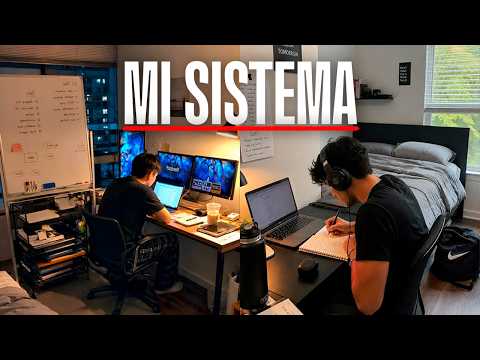
Así organizo mi vida entera (y qué hago cuando se me rompe el sistema)
Organizing Your Life: A Systematic Approach
The Challenge of Routine
- Yenño reflects on the ease of organizing life at first glance, but admits to struggling with routine and productivity, often feeling exhausted by the end of the day.
- Despite setting goals and plans, he finds himself stuck in a monotonous cycle without achieving what he truly desires.
- The fear of living a life chosen by default rather than intention drives him to seek a systematic approach to change.
Understanding Habits and Willpower
- Our brains are wired for survival, prioritizing energy conservation over productivity; habits form through signals, routines, and rewards.
- The brain does not differentiate between good or bad habits; it automates whatever requires less effort, leading to unintentional choices.
- Yenño shares his experience trying to overhaul multiple habits at once at 18 years old, resulting in frustration when he failed to maintain them.
Designing an Effective System
- Instead of relying solely on willpower, he emphasizes creating an environment that makes positive actions easier.
- Decisions should be made the night before when mental energy is high; this preparation helps streamline daily tasks.
Daily Organization Techniques
- He categorizes tasks into "automated" (daily routines requiring little thought) and "variable" (tasks that change based on importance).
- This separation allows him to execute automated tasks without decision fatigue while planning variable tasks thoughtfully each evening.
Maintaining Consistency
- Establishing a minimum baseline for daily activities ensures consistency even during low-energy days; for example, completing one Duolingo lesson daily regardless of other achievements.
Tools for Efficiency
Utilizing Technology
- Yenño introduces Terabox as a tool for organizing documents efficiently in one place instead of using multiple apps.
Prioritization Framework
- He uses a simple question—Is it urgent? Is it important?—to prioritize weekly tasks effectively.
Planning for Success
Weekly Review Process
- Every week begins with jotting down key tasks on sticky notes within 10 minutes; simplicity is crucial for maintaining organization.
Structuring Content Creation
- He schedules content creation activities like filming and editing around his work commitments to ensure consistent output.
Finding Direction in Life
Addressing Uncertainty
- When feeling lost about life’s direction, Yenño suggests reflecting on enjoyable activities or past regrets as starting points for clarity.
Setting Specific Goals
- Research shows specific and challenging goals lead to better performance compared to vague aspirations.
Defining Actionable Objectives
Importance of Specificity
- Clearly defining when and where actions will take place significantly increases the likelihood of follow-through compared to mere intentions.
Feedback Mechanism
- Regularly reviewing progress against set goals prevents time loss and ensures alignment with priorities throughout the year.
Viewing Life as Chapters
Conceptualizing Life Stages
- Yenño prefers viewing life as chapters rather than isolated goals; this perspective provides context during challenging periods.
Annual Goal Lists
- Creating annual lists involves careful selection across various life areas rather than overwhelming oneself with numerous objectives.
Overcoming Setbacks
Rebuilding After Challenges
- During tough times in France at age 18, Yenño experienced burnout but gradually rebuilt his system by focusing on small daily accomplishments.
Turn any video into a summary like this
YouTube links, meetings, lectures. With transcripts, search, and chat.