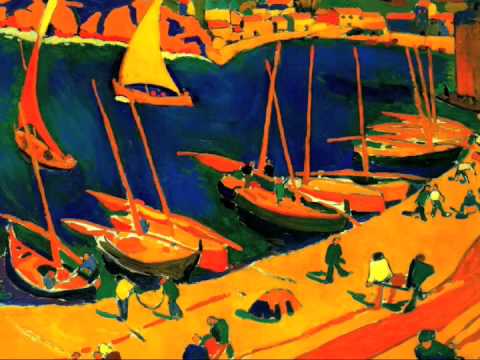
Fauvismo
What is Fauvism?
Introduction to Fauvism
- The early 20th century marks a dynamic phase in artistic evolution, leading to the emergence of avant-garde movements, with Fauvism being one of the first.
- The term "Fauvism" originates from the French word for "wild beasts," coined by critic Louis Vauxcelles after viewing a group of painters at the 1905 Salon d'Automne in Paris.
Characteristics of Fauvism
- Fauvism synthesizes elements from Impressionism and Post-Impressionism, emphasizing color's autonomy over form.
- Key features include vibrant colors, loose brushwork, and thick paint application (impasto), rejecting naturalistic representation in favor of emotional expression.
Influential Artists and Their Philosophy
- Led by Henri Matisse, other notable artists included André Derain and Maurice de Vlaminck; however, like Impressionists before them, they soon pursued individual paths.