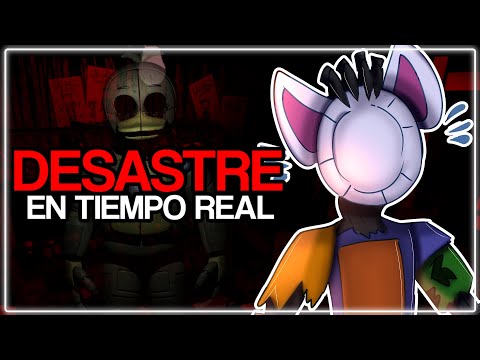
FNaF In Real Time: Un DESASTRE en Tiempo Real - FNcP
Five Nights at Freddy's: In Real Time - A Controversial Fangame
Overview of the Game
- The video discusses a controversial fangame titled "Five Nights at Freddy's in Real Time," developed by Tein and his team, which aims to create a real-time version of the original FNAF game.
- Initially conceived as a small mod, it evolved into an alternative and remastered version of FNAF, featuring new characters like Brother, described as a hybrid animatronic.
Game Release and Initial Impressions
- The full game was released on December 23, 2024. The narrator emphasizes that it is more interesting than it appears at first glance.
- The game begins with a cinematic reminiscent of FNAF 2, where players assume the role of a character trapped in Freddy Fazbear's suit.
Gameplay Mechanics and Features
- Players encounter various details such as papers reacting to wind and lights moving in the supply closet, enhancing immersion.
- Animatronics can now be tracked more effectively as they move throughout the pizzeria, making gameplay slightly easier by allowing players to predict their patterns.
Visual and Animation Quality
- While some animations are criticized for being too similar to the original FNAF games, there are moments when the transition from JPG to GIF disrupts immersion.
- Issues arise with character textures and animations; for instance, Chica has noticeable texture errors that detract from visual quality.
New Elements vs. Original Experience
- Despite some positive aspects like Foxy’s appearance from Pirate Cove being well-received, excessive detail may negatively impact gameplay flow.
- The introduction of new content risks altering the essence of FNAF; changes include voice actors and character names that deviate from established lore.
Notable Gameplay Challenges
- Scott Cawthon’s absence is felt as he was replaced by another voice actor who lacks enthusiasm; this change raises concerns about authenticity in storytelling.
- A significant challenge occurs during Night 3 with an unexpected boss fight against Foxy that requires strategic management of resources while dealing with multiple animatronics.
This structured summary captures key insights from the transcript while providing timestamps for easy reference.
Five Nights at Freddy's: A Confusing Reimagining?
Confusion Over Character Names and Lore
- The name change of the guard, Donavan, is seen as confusing; there's hope for a solid lore amidst the cinematic elements.
- The use of VHS-style cinematics is criticized for being outdated, with a misunderstanding about how animatronics are presented in-game versus on-screen.
Contradictions in Storytelling
- After defeating Foxy, the phone guy reveals troubling truths about missing children and possessed animatronics, which contradicts previous narratives that downplayed such dark themes.
- The character dynamics differ from earlier games; the phone guy's explanations to Donavan seem unnecessary and out of place compared to Vanessa’s context in the movie.
Gameplay Mechanics and Design Flaws
- New camera additions (entrance, kitchen, safe room) are viewed negatively; they detract from the mystery intended for certain areas.
- The safe room's existence undermines its purpose since it should be hidden from animatronics but has a camera that serves little function.
Minigames and Progression Issues
- Night 4 introduces a minigame where players collect papers throughout the pizzeria, described as tedious.
- A mandatory minimap mode requires players to control Donavan to earn money for unlocking features, raising questions about its necessity within the main story.
Narrative Discrepancies and Timeline Confusion
- After completing night five, players encounter an unexpected twist involving Michael infiltrating Freddy’s location years later than expected.
- The timeline reveals this game occurs between 2002 and 2003 but mirrors events from 1993 due to failed re-openings by Fazbear Entertainment.
Challenges Before Advancing in Campaign
- Players must complete two challenges before accessing night six; these challenges include irrelevant calls from a new phone character.
- Night six gameplay is similar yet more difficult than previous nights; an additional minigame featuring a duck raises further questions about design choices.
Analysis of "Nothing Real Time" Game Mechanics and Storyline
Overview of Gameplay Challenges
- The game features a blood lake symbolizing a character's mother, introducing the mysterious "purple man" as players navigate through challenges to unlock the true ending, including mode 420.
- Custom challenges replace the traditional custom night format, allowing for new gameplay experiences rather than just rehashing previous characters.
Narrative Elements and Character Development
- A cinematic scene reveals philosophical musings about trapped children becoming monsters, highlighting themes of entrapment and despair.
- The narrative concludes with an open ending that hints at a sequel, raising questions about unresolved storylines and character fates.
Character Connections and Lore Exploration
- The character Donovan is revealed to be trapped in a suit by the purple man while searching for his daughter; this adds depth to the backstory.
- New characters are introduced but criticized for lacking exploration; they serve primarily as victims of the purple man without significant development.
Themes of Vengeance and Spirituality
- Brother, a vengeful spirit connected to Aon, embodies themes of revenge that resonate with other poorly written characters from different narratives.
- Brother’s powers link him to spiritual realms, suggesting potential for deeper lore that remains unexplored within the game.
Critique on Game Design Choices
- The game's design choices dilute its core mechanics; it attempts too many ideas without fully realizing any single one effectively.
- In contrast to its predecessor, this installment suffers from pacing issues due to unnecessary content that detracts from player engagement.
Reception and Marketing Issues
- Initial impressions were marred by bugs and resource consumption during demos; marketing misled players into expecting something akin to FNAF 1.
- New lore additions confused audiences who anticipated straightforward gameplay based on established franchise elements.
Final Thoughts on Experience Quality
- While some aspects like Night 3 show promise with good atmosphere, overall execution falls short compared to earlier titles in terms of horror ambiance.
- The game is likened to an over-seasoned burger—initially appealing but ultimately disappointing due to excessive changes that overshadow original qualities.
This structured summary encapsulates key discussions surrounding gameplay mechanics, narrative depth, character connections, thematic explorations, critiques on design choices, marketing issues, and overall reception. Each point is linked directly back to specific timestamps for easy reference.
Reflection on Game Development and Community Reactions
Overview of Community Response
- The reaction to the game's release was perceived as exaggerated, with some individuals mocking its quality due to an overhyped marketing campaign.
- While negative critiques are justified due to various errors in the game, celebrating the downfall of developers who aimed high is seen as excessive.
Talent Behind the Game
- Despite criticisms, there is significant talent involved in the project, including high-quality animations, original soundtracks, and well-presented content like mini-maps.
Director's Performance
- The director's debut was criticized for poor handling of social media backlash and a perceived weakness in addressing hate comments.
- The director’s character bears a striking resemblance to himself, leading to accusations of narcissism and self-insertion into the game narrative.
Ambition vs. Execution
- The director is noted for his constant generation of ideas; however, this ambition may hinder effective development without proper oversight on design flaws.
Future Prospects
- There are hopes that lessons learned from this project will improve future endeavors, particularly regarding organization and management of multiple projects.
- Anticipation exists for upcoming titles in 2025 that could revitalize interest in the franchise despite current disappointments.
Closing Thoughts
- Acknowledgment of a challenging year but optimism for future developments within the gaming community moving forward into 2025.