¿Qué es la corrupción?
Corruption: Definitions and Complexity
The discussion delves into the multifaceted nature of corruption, exploring its historical roots and contemporary interpretations within social sciences.
Understanding Corruption
- Corruption historically defined as decay in Platonic philosophical terms where power corrupts individuals for personal gain.
- Empirically challenging to define corruption due to its multifactorial nature involving organized acts over time.
- Three main approaches in academia and politics to study corruption: normative, characteristics/magnitude, and social phenomenon.
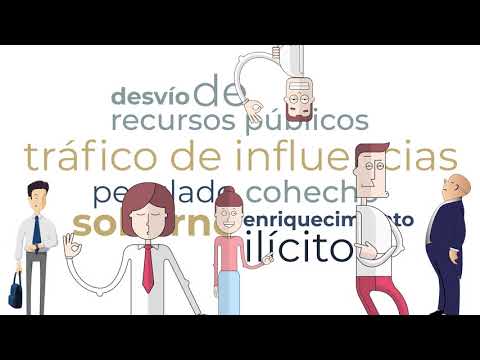
- Examples of corrupt behaviors by public officials include influence peddling, embezzlement, bribery, reflecting a mix of legal and illegal actions.
- Social sciences categorize corruption based on magnitude such as grand corruption, structural corruption, small-scale corruption like clientelism.
Operational Definition of Corruption
Explores practical definitions of corruption used by institutions like the World Bank and Transparency International for operational clarity.
Defining Corruption Operationally
- The World Bank and Transparency International define corruption as misuse of power for personal gain.
- Operational definitions crucial for understanding and combating corruption beyond philosophical or theoretical realms.