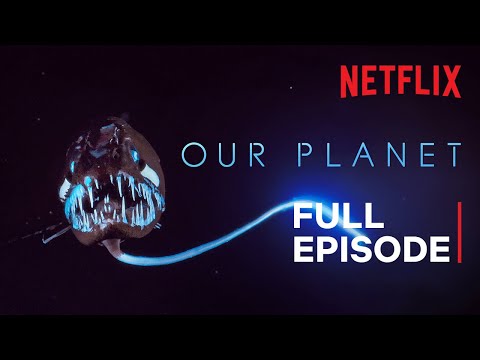
Our Planet | High Seas | FULL EPISODE | Netflix
The Wonders of the Ocean and Its Inhabitants
Introduction to Earth's Changes
- David Attenborough reflects on humanity's journey to the Moon 50 years ago, highlighting how our perspective of Earth has changed as the human population has more than doubled since then.
The Struggles of Dolphins
- The series aims to celebrate natural wonders while emphasizing the need for preservation. It begins with dolphins being hunted by false killer whales, showcasing their struggle for survival.
Life in the High Seas
- Dolphins exhibit remarkable agility but face predators like killer whales that have greater stamina. This highlights the harsh realities of life in ungoverned ocean territories.
- Blue whales are introduced as the largest animals ever, weighing 200 tons and measuring 30 meters long. Their elusive nature adds mystery to their existence.
Blue Whale Sanctuary
- The Gulf of California is identified as a sanctuary for blue whales, where they come close to shore, revealing previously unknown aspects of their behavior.
Maternal Bonds in Whales
- A baby blue whale is introduced; at just one month old, she measures eight meters and weighs six tons. The nurturing bond between mother and calf is emphasized through intimate imagery.
- Each blue whale calf is precious due to infrequent births (once every two or three years), underscoring conservation importance.
Conservation Efforts and Threats
- Despite past hunting leading to a drastic decline from over 300,000 blue whales to only a few thousand today, protective measures are allowing numbers to slowly increase.
- However, threats loom over their ocean habitat as human impact becomes increasingly evident even in vast high seas.
Pristine Ocean Ecosystems
- Spinner dolphins gather off Costa Rica’s coast in large pods characterized by complex social interactions. Their communication involves clicks and whistles.
Interdependence in Marine Life
- Yellowfin tuna follow dolphin pods for food; this interspecies relationship illustrates how marine life relies on each other within ecosystems.
Lantern Fish Dynamics
- Lantern fish thrive despite being small; they remain largely unfished due to their deep-sea hiding habits. This abundance supports various predators including dolphins and mobula rays.
Nutrient Recycling Role of Dolphins
- Dolphins contribute significantly by recycling nutrients through waste production which fuels phytoplankton growth—the foundation of marine food chains.
Importance of Phytoplankton
- Phytoplankton not only serve as food for larger marine animals but also produce half the oxygen we breathe—highlighting their critical role in global ecology.
Climate Regulation Through Oceans
- Phytoplankton influence cloud formation by providing particles around which moisture condenses, affecting weather patterns globally.
Oceans: Earth's Life-Support System
- Oceans cover two-thirds of Earth’s surface and play a vital role in climate regulation by transporting fresh water worldwide—emphasizing their significance beyond mere biodiversity.
The Mysterious Life of the Deep Sea
The Vastness and Diversity of Deep-Sea Life
- The deep sea constitutes 95% of all available space for life, hosting bizarre and enigmatic creatures, with many only known from rare occurrences when they wash ashore.
- Oarfish, which can grow up to ten meters long, are rarely seen alive. They navigate between depths using rhythmic dorsal fin movements and rely on marine snow for sustenance.
- Contrary to previous beliefs that the deep supported minimal life, scientists now estimate there are ten times more animals in these depths than previously thought, indicating a wealth of undiscovered species.
Adaptations to Darkness
- Cystisoma, a transparent deep-water crustacean, exemplifies how invisibility is crucial for survival in the twilight zone where it resides.
- In total darkness below 1000 meters, bioluminescence becomes essential; predators like dragonfish use glowing lures to attract prey into their jaws.
Exploration Challenges
- Despite covering over half the Earth's surface, we know more about the Moon than the deep-sea plains. This highlights our limited understanding of this vast environment.
- Chimaera fish utilize electrical sensors around their mouths to locate scarce prey on the seafloor while conserving energy by moving slowly through barren landscapes.
Unique Ecosystems: Deep-Sea Coral Reefs
- Lophelia coral reefs challenge previous assumptions that corals only thrive in warm shallow waters; they cover more area on the seafloor than shallow-water counterparts and serve as vital nurseries for marine life.
- Corals consist of polyps living in colonies connected by a hard skeleton. Their stinging cells help capture prey but are often robbed by bristle worms seeking food.
Interactions Within Coral Ecosystems
- Bristle worms engage in a protection racket with corals; they steal food from polyps while defending them against predatory urchins that threaten coral health.
- Some coral reefs may be ancient—up to 40,000 years old—but face destruction from human activities like deep-sea fishing nets that devastate fragile ecosystems.
Conservation Concerns
- With half of all deep-sea corals already destroyed due to human impact, recovery will take centuries. The high seas remain largely unprotected beyond national jurisdictions.
Life Above: Seabirds and Their Struggles
Feeding Frenzy at Sea
- Albatrosses live solitary lives but gather around rare food sources like dead sea lions. Giant petrels arrive first due to their scavenging prowess and aggressive behavior towards other birds.
- Wilson's petrels are smaller seabirds that pick off scraps during feeding frenzies created by larger birds like albatrosses and giant petrels.
Declining Populations
- A wandering albatross arrives last at feeding sites; its size allows it to dominate over others despite being solitary most times.
- Recent declines in seabird populations highlight vulnerabilities linked to their extensive travel needs amidst poorly regulated oceanic conditions affecting all high-seas hunters.
Predators of the Ocean: Bluefin Tuna
Hunting Strategies
- Bluefin tuna can exceed three meters in length and weigh up to half a ton. They hunt collaboratively in large packs for efficiency during feeding sessions targeting schools of anchovies.
The Plight of Bluefin Tuna and Ocean Ecosystems
The Value and Threat to Bluefin Tuna
- Bluefin tuna are highly prized, with a single fish selling for over a million dollars in Japan, leading to their near extinction due to overfishing.
Decline of Fish Stocks
- Unsustainable fishing practices have caused serious declines in many fish stocks, with one-third having collapsed entirely. Industrial overfishing poses a greater threat than plastic pollution.
Impact on Marine Life
- The collapse of fisheries could lead to the entire ocean system failing. Each year, 100 million sharks are killed primarily for shark fin soup.
Changes in Marine Food Chains
- Ninety percent of large ocean predators have vanished, resulting in significant changes within marine ecosystems as squid populations surge due to the absence of competitors and predators.
Squid's Rapid Proliferation
- Squid breed quickly and exploit gaps left by harvested fish, indicating an imbalance in ocean ecosystems. Their rapid reproduction allows them to thrive in warm shallow waters.
Adaptation of Predators
- As traditional prey like anchovies and sardines become scarce, sea lions adapt by consuming more squid. This shift may also force humans to change their seafood consumption patterns.
Potential for Recovery through Sustainable Practices
- Sustainable harvesting methods can restore ocean productivity and food abundance. Signs indicate that oceans can recover remarkably fast if managed properly.
Humpback Whales: A Case Study in Recovery
Historical Context of Humpback Whales
- Once hunted nearly to extinction with numbers dropping below a few thousand, humpback whales have seen a resurgence since the ban on commercial whaling in 1986.
Current Population Trends
- Humpback whales are returning to ancestral feeding grounds off South Africa, taking advantage of seasonal krill abundance; each whale consumes over a ton daily.
Ecological Importance
- Healthy whale populations contribute significantly to nutrient recycling in oceans, supporting phytoplankton growth which is essential for marine food webs.
The Interconnectedness of Ocean Health
- A diverse community of apex predators (whales, dolphins, tuna, sharks) is crucial for maintaining healthy ocean ecosystems vital for planetary health and human survival.
Call to Action: Protecting Our Oceans
Global Cooperation Needed
- Despite progress with species recovery like humpback whales, human activities continue harming oceans at unprecedented rates; global cooperation is essential for recovery efforts.
Next Steps for Conservation