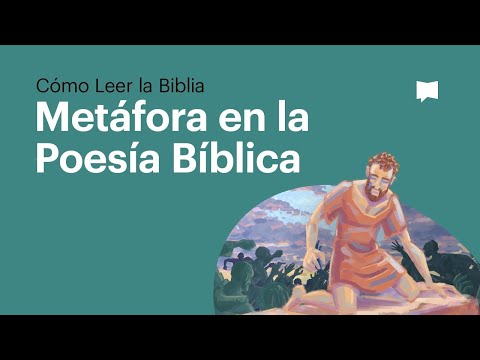
La Metáfora en la Poesía Bíblica
How to Read Biblical Poetry
Understanding Biblical Poetry
- Biblical poetry constitutes about 30% of the Bible and serves as a medium that invites readers to engage with ideas through imaginative experiences, utilizing creative imagery and metaphorical language.
- The distinction between tangible experiences (like feeling cold) and abstract feelings (like unrequited affection) illustrates how our minds connect different concepts without conscious awareness.
- Metaphors provide frameworks for understanding the world; they shape our thoughts and language, influencing how we perceive various experiences.
The Role of Metaphors in Language
- Metaphors are not merely stylistic devices but fundamental to our cognitive processes, governing how we articulate ideas and understand arguments in debates.
- Common biblical metaphors include light representing goodness and darkness symbolizing evil. However, some metaphors may seem strange due to cultural differences from ancient times.
Imagery of Chaos and Danger
- Chaotic waters symbolize danger; biblical authors often liken perilous situations or adversaries to tumultuous seas, as seen in Psalm 69 where enemies are described as overwhelming waves.
- This metaphor extends beyond personal danger to encompass nations depicted as roaring seas, emphasizing chaos on a larger scale (Isaiah 17).
Divine Power Over Chaos
- God’s dominion over chaotic waters is a recurring theme throughout the Bible, starting from Genesis 1:2 where God brings order to a dark ocean.
- Dry land symbolizes safety and stability; it represents basic human desires for protection which God provides by creating dry ground in Genesis.
Symbolism of the Garden and Temple
- The garden of Eden is portrayed as an ideal space where humanity dwells with God, characterized by temple-like imagery above chaotic waters.
- This ideal reflects human aspirations for closeness with God, illustrated in Psalms where David celebrates divine presence within the temple's protective structure.
- The metaphor of rock signifies strength and refuge; Jesus’ teaching about building on rock echoes this imagery found throughout biblical poetry.
Interconnectedness of Narratives and Imagery
Convierte cualquier video en un resumen como este
Videos de YouTube, reuniones, clases. Con transcripción, búsqueda y chat.