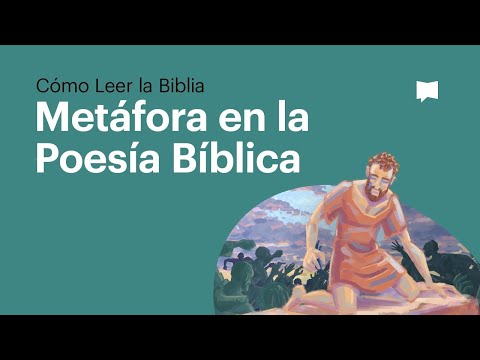
La Metáfora en la Poesía Bíblica
Understanding Biblical Poetry
The Nature of Biblical Poetry
- Biblical poetry constitutes about 30% of the Bible, using creative language and metaphorical imagery to convey experiences and ideas.
- Some life experiences are tangible (e.g., feeling cold), while others are abstract (e.g., unrequited affection), showcasing how our minds connect different concepts.
Metaphors in Language
- Metaphors provide a framework for understanding the world; they shape our thoughts and language, influencing how we express ideas.
- Examples include viewing ideas as rulers or conflicts as wars, illustrating that metaphors are pervasive in our communication.
Biblical Imagery and Metaphors
- While some biblical metaphors are straightforward (light vs. darkness), others may seem strange due to cultural differences from ancient times.
- Chaotic waters symbolize danger; biblical authors often describe perilous situations using this imagery, such as in Psalm 69.
Symbolism of Water and Land
- Enemies are likened to turbulent waters, emphasizing their threat; this metaphor is prevalent throughout various psalms.
- God’s power over chaotic waters is established early in Genesis 1:2, where He brings order to chaos.
Themes of Safety and Stability
- Dry land represents safety and stability, fulfilling basic human desires for security; it appears prominently in Genesis with the creation narrative.
- The Garden of Eden is depicted as a sacred space above chaotic waters, symbolizing divine presence and protection.
The Temple Imagery
- The ideal state for humanity involves being close to God in a temple-like garden setting; this theme recurs throughout biblical poetry.
- The temple symbolizes God's presence; references like Psalm 18 illustrate how structures can serve as metaphors for divine strength.
Interconnectedness of Narratives and Poetic Images
Turn any video into a summary like this
YouTube links, meetings, lectures. With transcripts, search, and chat.