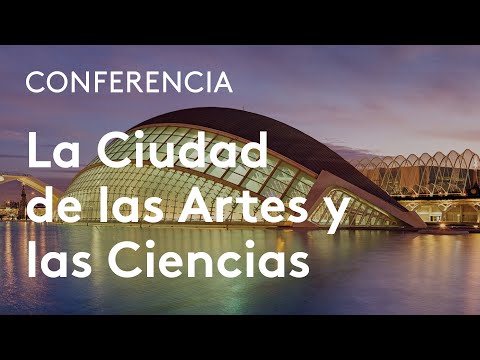
La Ciudad de las Artes y las Ciencias. La edad del espectáculo (1996-2004) | Luis Fernández-Galiano
The Impact of José María Aznar's Election on Spanish Politics
Context of Aznar's Victory
- José María Aznar's election did not yield an absolute majority, necessitating alliances with Catalan nationalists to secure governance.
- The architecture of Valencia’s City of Arts and Sciences is presented as a metaphor for the spectacle in politics, emphasizing that such projects take years to realize rather than being instant.
Architectural Symbolism and Political Alliances
- The City of Arts was initiated by socialist president Joan Lerma; the Popular Party only modified existing plans, showcasing continuity in political influence.
- Calatrava’s designs became symbols of extravagance and public spending, initially perceived positively but later criticized for their costliness.
The Desire for Iconic Architecture
Public Perception and Demand
- A recent book titled "Queríamos Uncalatrava" reflects the widespread desire among various administrations for recognizable modern architecture to symbolize progress.
- Calatrava’s architectural style is distinctive and easily identifiable, contrasting with other architects whose works may be less recognizable.
Calatrava's Unique Background
- Calatrava possesses a diverse educational background in fine arts and engineering, contributing to his unique approach as both architect and artist.
- His ambitious projects sometimes led to budgetary issues and technical risks, sparking debates about his methods despite public admiration.
The Legacy of Calatrava's Works
Architectural Recognition
- An advertisement from a cement company highlights public engagement with Calatrava’s buildings, indicating their cultural significance at the time.
- Coverage in media emphasized Calatrava as a polarizing figure—admired by the public yet often criticized by peers within the architectural community.
Ongoing Projects and Future Developments
- The City of Arts continues evolving; new structures like Caixa Forum are still under development, indicating ongoing investment in this architectural vision.
The Architectural Impact of Santiago Calatrava
Calatrava's Iconic Structures
- Calatrava has become an iconic figure in Valencia, with his works symbolizing the city, notably during events like the Copa América and the Pope's visit.
- His designs often prioritize aesthetic appeal over functionality, exemplified by airport fingers resembling fish vertebrae and structures that evoke a bird in flight.
- The presentation highlights Calatrava as a central figure in contemporary architecture, though he is not alone in creating remarkable buildings.
Recognition and Influence
- Calatrava's work gained significant recognition, becoming part of promotional materials for tourism in Tenerife and other locations.
- Similar to Frank Gehry’s Guggenheim Museum, which transformed architectural norms in the late 1990s, Calatrava’s designs have also left a lasting impact on public perception of architecture.
Unique Design Language
- Both Gehry and Calatrava share a distinctive sculptural style; their works are easily recognizable due to their unique design languages.
- The discussion compares architects to "serial killers" of design due to their repetitive yet evolving styles that continue to captivate audiences.
Cultural Significance
- The emergence of architects as creators of collective dreams reflects a shift from traditional Hollywood narratives to architectural spectacles that inspire communities.
- This transformation is not solely attributed to political parties but represents a broader cultural movement towards valuing innovative architecture.
Bilbao's Transformation
- The New York Times once highlighted Bilbao’s architectural renaissance as miraculous, showcasing how it shifted from an industrial past marked by terrorism to a modern tourist destination.
- Jaim de Bilbao played a crucial role in this transformation through strategic urban planning focused on cultural landmarks made from titanium.
Lasting Legacy
- The success of these architectural projects encouraged other architects to explore more expressive forms beyond conventional designs, leading to new trends within the field.
The Impact of Architectural Innovation
The Guggenheim and Its Stylistic Earthquake
- The Guggenheim, designed by Frank Gehry in 1997, is noted for its significant stylistic impact on architecture, emerging from a complex interplay of lines and creative processes.
- Gehry's use of software originally intended for aircraft design allowed him to create sculptural buildings, marking a departure from traditional architectural methods.
- The construction of the Guggenheim was made feasible within a reasonable budget and timeframe due to advanced technology that enabled double-curvature designs.
Iconic Structures in Bilbao
- The Guggenheim is recognized as one of the most important buildings globally from that decade, featuring notable installations like Richard Serra's sculptures.
- Gehry’s friendship with Serra highlights the collaborative nature of art and architecture; Serra's work became integral to the Guggenheim experience.
Rafael Moneo's Contextual Approach
- Rafael Moneo also contributed iconic structures near Bilbao, such as the Kursaal in San Sebastián, which aimed to stand out against its historical backdrop.
- Moneo’s designs often juxtapose modern forms with traditional urban settings, creating striking visual contrasts that draw attention.
Nature vs. Urban Design
- Moneo described his building as "two rocks stranded in sand," emphasizing its connection to nature rather than urban context—an idea echoed by critics over time.
- His architectural sketches serve as foundational concepts for his buildings, illustrating how initial ideas evolve into significant structures through technical expertise.
Architectural Milestones in Spain
- Both the Guggenheim and Kursaal were pivotal during a transformative period for Spanish architecture at the end of the 1990s.
Architectural Evolution in Spain
Prominent Architects and Their Impact
- The discussion highlights notable architects such as Norman Foster, Peter Eisenman, and Daniel Libeskind, who significantly influenced Spanish architecture in subsequent years.
- A chaotic situation arose due to "overbooking" at a global architects' congress, leading to an open-air meeting where architects had to present without visual aids.
- The speaker emphasizes that during this period, Spain was becoming more open to international architects, with projects like Frank Gehry's contributions and Foster's completion of the Bilbao Metro.
Innovations in Urban Design
- Foster's approach for the Bilbao Metro involved leaving the excavation visible rather than simply constructing platforms after digging. This innovative design choice contributed to its aesthetic appeal.
- The metro is described as not just a transit space but a visually beautiful area akin to a museum or auditorium, enhancing civic dignity and public pride.
Cultural Significance of Infrastructure
- The success of the Bilbao Metro is attributed to its ability to attract diverse users—from bankers to workers—creating a sense of shared ownership and pride in this infrastructure.
- Other architectural projects mentioned include the Tenerife Arts Space (TEA), designed by Juan Navarro Baldeweg and Virgilio Gutiérrez, which served as an experimental platform for architectural innovation.
Controversial Projects and Economic Context
- Peter Eisenman's ambitious City of Culture project in Galicia faced criticism for its scale; it was never fully realized due to economic constraints but symbolized the era's audacity.
- The project included various cultural facilities but ultimately remained incomplete, reflecting both political ambition and economic realities during Franco’s regime.
Unique Architectural Designs
- Architect Fermín Vázquez collaborated with Jean Nouvel on Barcelona’s iconic Torre Agbar, which creatively integrated concrete load-bearing walls with glass facades—a rare approach among skyscrapers.
- This design challenges conventional skyscraper aesthetics while maintaining structural integrity; it invites viewers to reconsider typical high-rise constructions.
Emerging Trends in Architecture
Urban Icons and Social Housing
The Role of Architecture in Urban Identity
- The concept of a grand entrance serves more as an urban icon than a functional element for social housing, highlighting the tension between architectural symbolism and practical needs.
- There is a critique regarding the prioritization of monumental architecture over residential buildings, suggesting that this focus may not resonate well with societal values.
Notable Architectural Achievements
- Terminal 5 at Madrid's Barajas Airport, designed by Richard Rogers and Norman Foster, is highlighted as a significant success both critically and publicly.
- The terminal is praised for its elegance, precision, and beauty, contributing positively to Madrid's identity as an entry point into Spain.
Architectural Trends in Spain
- A shift towards creating aesthetically pleasing airport spaces aims to transform them from mere transit points into beautiful environments filled with light and texture.
- During a period of economic optimism in Spain, architects like Alberto Campo Baeza were able to create large-scale projects that resonated with cultural significance.
Challenges in Architectural Ambitions
- Many savings banks led by imprudent politicians attempted to construct monumental buildings during this era; while some succeeded, it resulted in long-term consequences for the architectural landscape.
Influential Architects and Their Contributions
- Rafael Moneo’s work during his return to Madrid reflects his evolution as an architect; he created elegant structures such as the expansion of Murcia's city hall.
- A new generation of architects emerged under Moneo’s influence during Spain's economic recovery. This group included Emilio Tuñón and Luis Moreno Mansilla who tragically passed away young but left behind remarkable works.
Artistic Integration in Architecture
Innovative Approaches to Design
- Architects began integrating artistic elements into their designs; for instance, they creatively used transportation logistics (like moving letters for signage) as part of the installation process.
Architectural Features and Aesthetics
- An emphasis on spatial design is evident through cascading spaces within museum architecture. This approach enhances visitor experience by creating visually engaging environments.
Celebrating Cultural Heritage Through Modern Design
Architectural Evolution and Recognition
Importance of Architectural Awards
- The building discussed is a popular photo spot for couples in León and has received the prestigious Mies van der Rohe Award, recognizing it as one of the most significant buildings in Europe over a two-year period.
- This award highlights the building's importance within European architecture, showcasing its merit among contemporary structures.
Structural and Material Characteristics
- The building features a geometric mesh that becomes structural, creating a heavy, compact presence that feels monumental to observers.
- Architect Francisco Mangado's work on the Valguarte auditorium emphasizes urban integration rather than sculptural form, enhancing public space.
Architectural Philosophy and Aesthetics
- The architecture discussed aims to avoid figurative elements while still captivating through its materiality and weight; it connects with both landscape and structure.
- Canarian architects Artengo, Mennici Pastrana utilize raw stone from quarries to create tactile experiences that invite interaction with their buildings.
Modern Influences and Historical Context
- Exiled architect Bril contributes modern yet primitive architectural designs in Santiago, reflecting an engagement with archaic forms while remaining contemporary.
- Buildings like the authors' societies center showcase megalithic screens that evoke emotional responses while being rooted in modern design principles.
Emerging Architects and Their Contributions
- New architects such as Juan Erreros are gaining recognition for their unique contributions to Spanish architecture, including notable projects like libraries and pavilions.
- RCR architects from Olota blend volcanic landscapes into their designs, exemplified by an athletics stadium that harmonizes with nature despite meeting Olympic standards.
Landscape Integration in Architecture
- RCR’s approach results in structures like parks made from volcanic materials treated with corten steel, creating intense landscapes that provoke thought rather than comfort.
Architecture and Emotion in Extreme Designs
The Nature of Radical Architecture
- Judges and juries have recognized the unique qualities of extreme architecture, which is characterized by its uncompromising nature and emotional depth.
- This type of architecture utilizes landscape and material as core elements of identity, creating a powerful poetic experience.
Influential Architects and Their Works
- Notable architects like Carroscerrater have contributed to this movement, exemplified by their work at the Botanical Park in Barcelona, which features unusual landscapes through triangulated geometry.
- José Antonio Martínez la Peña and Elias Torres previously showcased their sensitivity in architectural interventions, such as mechanical lifts that integrate seamlessly into the landscape of Toledo.
Architectural Sensitivity and Historical Context
- The design approach taken by these architects reflects both heritage preservation and landscape integration, allowing for a respectful interaction with historical sites.
- Juan Abarro-Aldebe's work includes a replica of Altamira Cave that blends into its surroundings using camouflage techniques to maintain the integrity of the Cantabrian landscape.
Experience vs. Authenticity in Replicas
- Unlike earlier replicas that failed to capture the essence of Altamira Cave, Abarro-Aldebe's version offers an experience closely resembling visiting the original site due to its sophisticated construction.
- The architect’s effort ensures that this replica does not disrupt the natural environment but rather enhances it through thoughtful design.
Emerging Talents in Contemporary Architecture
- Young architects like Eduardo Arroyo are making significant contributions with innovative designs such as pixelated plazas that challenge traditional notions of public spaces.
- Arroyo's stadium design incorporates vibrant colors not just for aesthetic appeal but also to create a festive atmosphere, moving away from modernist color restrictions.
Rick Miralles: A Legacy Cut Short
- Rick Miralles was an influential figure whose works included parks designed with chromatic elements that provoke thought about contemporary park usage.
Architectural Insights and Cultural Reflections
The Role of Parks in Society
- Discussion on the essential characteristics of parks, emphasizing their artistic and cultural gestures.
- Highlights the importance of practical elements like trash bins and benches in fostering social interaction within park spaces.
Spanish Architecture's Global Influence
- Observations on the rise of Spanish architects working internationally, marking a shift in architectural presence beyond Spain.
- Mention of notable architects such as MBT and Rig Miralles, showcasing Spain's architectural exports with examples like the Scottish Parliament.
The Scottish Parliament Project
- Overview of the unfinished project led by Rig Miralles, highlighting its political and social significance for Scotland post-devolution.
- Contextualizes Scotland's need for a parliament building after regaining self-governance from Westminster.
Architectural Challenges and Controversies
- Describes the complexities involved in designing the Scottish Parliament, including its location on a historically significant site.
- Notes that despite initial controversies regarding costs and delays, the building has become an iconic symbol for Scotland.
International Architectural Examples
- Introduces a contrasting example from Japan involving Alejandro Zahera and Farsil Musavi’s cruise terminal design in Yokohama.
- Details how their design integrates natural elements to create an expansive park-like environment alongside functional architecture.
Rafael Moneo's Contribution to Architecture
- Discusses Moneo’s work on a significant church structure near Los Angeles, emphasizing its robust design amidst lighter surrounding buildings.
Significant Events and Architectural Reflections
The Impact of September 11 on Architecture
- The discussion highlights the significance of the September 11 attacks, framing it as both a political and architectural event. The attacks involved four planes targeting key locations, including the Twin Towers and the Pentagon.
- The leader of the attackers was a 33-year-old Egyptian architect studying traditional architecture in Hamburg, emphasizing a connection between architecture and ideology.
- While many viewed the events primarily as political, the speaker argues for recognizing their architectural importance, linking them to subsequent military interventions in Afghanistan and Iraq.
Spain's Economic Optimism Preceding Tragedy
- In March 2004, two contrasting magazine covers depicted Spain's economic growth; one celebrated its expansion while another highlighted cultural achievements through iconic structures like the Olympic towers.
- Despite external optimism about Spain’s progress in various sectors, this period ended tragically with the Madrid train bombings (11M), which shifted public sentiment dramatically.
- Following these events, despite national trauma, reports from June still reflected an optimistic view of Spain's economy under José Luis Rodríguez Zapatero’s leadership.
Architectural Symbols of Emerging Spain
- The city of Arts and Sciences in Valencia became a symbol of emerging Spanish identity during this time. It represented not only architectural innovation but also financial power within Europe.
- This architectural landmark was chosen by Americans to symbolize resilience at Ground Zero after 9/11, showcasing its international significance beyond Spanish borders.
Economic Crisis Aftermath
- The narrative shifts to highlight how just four years later (September 15, 2008), Lehman Brothers' bankruptcy triggered a massive financial crisis affecting Mediterranean countries like Greece and Spain.
- Despite earlier optimism post-attacks and during Zapatero’s first term, this crisis marked a significant turning point that led to profound changes in economics and society across Europe.
Conclusion: A Complex Legacy
- Although overshadowed by tragedy following terrorist attacks in Madrid, early 2004 was characterized by vibrancy in Spanish politics and economy before facing challenges due to global financial instability.
Reflexiones sobre la evolución emocional de España
La felicidad colectiva y su transformación
- En el contexto actual, España experimenta un periodo de gran felicidad y autoestima colectiva, reflejando una transición emocional significativa desde 2004 hasta hoy.
- Se menciona un viaje emocional que abarca desde la euforia inicial, pasando por momentos de abatimiento, hasta llegar a una reconciliación más amable con la identidad nacional.
- El orador espera que los oyentes lo acompañen en este recorrido emocional, sugiriendo que es un proceso compartido y relevante para todos.
- Se plantea una crítica implícita a la burbuja efervescente de optimismo anterior, insinuando que quizás no se merecían esos momentos de excesiva alegría.