A proper guide to Fable 5
Rediscovering Fable 5: A Game-Changer in AI Models
Initial Impressions and Return of Fable 5
- The speaker expresses a strong emotional connection to Fable 5, describing its initial impact as profound and transformative.
- After the model's return, productivity surged; the speaker completed more work in one day than in the previous month combined.
- Emphasizes that Fable 5 is not just an improved version of Opus but represents a significant leap in capabilities.
Unique Features and Usage Insights
- Highlights the model's ability to handle complex tasks like end-to-end implementations, testing, and verification effectively.
- Addresses misconceptions about the model circulating on social media, urging viewers to watch a prior video for clarification on its true potential.
Maximizing Productivity with Fable 5
Workflow Enhancements
- The speaker discusses how their approach to working with models has evolved significantly since using Fable.
- Mentions challenges faced with authentication and billing processes when integrating AI agents into workflows.
Integration of Tools
- Introduces Clerk as a solution for simplifying user authentication and subscription management across platforms.
- Shares personal experiences dealing with billing disputes, emphasizing Clerk’s efficiency compared to traditional methods.
Achievements Using Fable 5
Project Management Successes
- Describes rapid progress made on projects like Lakebed, attributing success to the capabilities of Fable 5.
- Reflects on previously stalled pull requests (PRs), which were revitalized through effective use of the new model.
Cost Efficiency Strategies
- Warned against overspending by adopting cost-reduction strategies while utilizing advanced features of Fable effectively.
Understanding Model Capabilities
Reasoning Efforts Explained
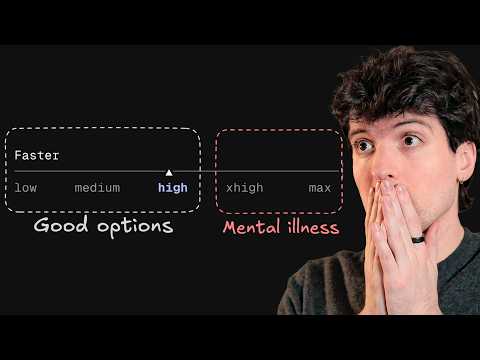
- Advises against using high reasoning settings (X high or max), explaining they can lead to overcomplicated outputs at higher costs.
Effective Task Management
- Discusses how lower reasoning levels can still achieve substantial results without incurring excessive expenses.
Leveraging Multiple Models for Optimal Results
Combining Strength Across Models
- Explains how different models can be utilized together for specific tasks based on their strengths—Fable for intelligence and Codex for coding tasks.
Customization Techniques
- Outlines methods used to teach Claude code how to leverage Codex effectively for various applications.
Advanced Workflows with Sub-agents
Defining Workflows
- Details creating workflows that allow sub-agents to perform specific tasks efficiently within larger projects.
Dynamic Task Allocation
- Discusses how workflows enable dynamic task allocation based on project needs rather than static definitions.
Navigating Model Limitations
Awareness of Model Constraints
- Notes that while models have advanced capabilities, they may lack awareness regarding newer tools developed after their training period.
Cost Considerations
- Clarifies that perceived low costs associated with certain models stem from promotional deals rather than special arrangements.
Evaluating Model Performance
Ranking Models Based on Use Cases
- Provides insights into ranking various models based on intelligence, taste, and cost-effectiveness tailored towards specific programming needs.
Practical Application Guidelines
- Suggest practical guidelines for customizing agent behavior through glossaries detailing preferred terminologies relevant to project requirements.
Optimizing Codex Prompts for Better Performance
Understanding Codex and Claude Interaction
- The speaker emphasizes the importance of simplifying prompts when using Codex, contrasting it with Claude's more complex prompting style.
- A suggestion is made to include clear feedback from Codex when it finds nothing, which significantly reduces confusion in the parent model.
- Encouragement is given to users to learn and experiment with their setups rather than just copying existing configurations.
Implementing Effective Workflows
- The speaker describes a sub-agent implementation that helps manage bounded work effectively within a work tree.
- Highlighting the utility of computer use capabilities, the speaker notes how this allows Claude to leverage Codex without excessive resource consumption.
Structuring Descriptions for Optimal Model Use
Crafting Detailed Skill Descriptions
- The description provided for invoking computer use tasks is noted as being slightly verbose but effective in guiding Claude’s actions.
- Adjustments are suggested for clarity in user requests directed at Claude regarding testing flows and verifying behaviors.
Adapting Workflows Based on Experience
- Users are encouraged to adapt workflows based on personal experiences, emphasizing that small changes can lead to significant improvements in efficiency.
Managing Open Pull Requests (PRs)
Initial Review Process
- The speaker shares a simple prompt used to investigate open PRs, highlighting its effectiveness in managing multiple unfinished tasks.
- A structured list is requested from the model indicating the status of each PR—ready to merge, needing touch-ups, or better off scrapped.
Workflow Execution and Results
- After running a workflow, results show unanimous decisions on most PR evaluations by agents involved.
- Specific actions taken include merging one PR quickly due to its straightforward nature while categorizing others based on their readiness or need for revisions.
Streamlining Development Processes
Setting Goals for Efficient Merging
- The speaker sets explicit goals for closing unworthy PRs and prioritizing remaining ones through detailed planning with sub-agents.
Utilizing Staging Environments Effectively
- Emphasis is placed on using staging environments safely without affecting production deployments while allowing extensive testing of new features.
Overcoming Challenges in Mobile Development
Addressing Mobile App Development Issues
- The speaker discusses difficulties faced when building mobile applications compared to web development, noting AI limitations in this area.
Leveraging Expert Assistance
- Infinite Red is introduced as a valuable resource for modernizing codebases and improving mobile app development practices across various platforms.
Automating Task Management with AI
Setting Up Comprehensive To-Dos
- A goal is established where the model manages an extensive list of tasks related to rebasing and merging efficiently over time.
Ensuring Quality Control
- Importance is placed on thorough reviews before merging any code changes into production environments using automated reviewers like BugBot and Microscope.
Enhancing Productivity Through Technology Integration
Maximizing Utilization of Tools
- The integration of T3 Code enhances productivity by allowing seamless connections between different machines while working remotely.
Continuous Improvement Strategies
- Ongoing developments such as T3 Connect aim at simplifying setup processes further while maintaining high functionality across devices.
This markdown file captures key insights from the transcript chronologically while providing timestamps linked directly back to specific moments in the video. Each section focuses on distinct themes discussed throughout the content.