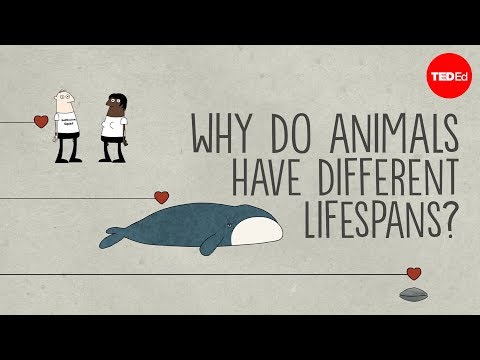
Why do animals have such different lifespans? - Joao Pedro de Magalhaes
What Drives Aging in Different Species?
Overview of Lifespan Variability
- The lifespan of various species varies significantly, from the short-lived C. elegans (weeks) to the long-lived bowhead whale (up to 200 years).
- Aging is characterized by gradual degeneration post-sexual maturity, primarily driven by cell death and dysfunction.
Mechanisms Behind Aging
- Young organisms regenerate cells rapidly; this process slows with age, leading to a decline in bodily functions and increased susceptibility to disease.
- Environmental factors and body size contribute to different aging patterns across species, influencing evolutionary adaptations.
Longevity in Extreme Environments
- Some marine animals like Greenland sharks (over 400 years) and Antarctic glass sponges (over 10,000 years) exhibit remarkable longevity due to cold environments.
- Slower heartbeats and metabolic rates in cold habitats may correlate with reduced aging processes.
Size and Lifespan Correlation
- Generally, larger animals such as elephants live longer than smaller ones like mice or flies; however, exceptions exist.
- Smaller creatures face higher predation risks which drive rapid growth and reproduction as an evolutionary strategy against shorter lifespans.
Genetic Factors Influencing Aging Rates
- Animals with similar sizes or habitats can age at different rates due to genetic differences affecting cellular responses to threats.
- The interplay of environmental factors, size, genetics, and evolutionary pressures explains the variability in aging across the animal kingdom.
Human Life Expectancy Context
- Humans have an average life expectancy of 71 years but excel at increasing this figure through advancements in health care and lifestyle choices.