Stimulants (Ritalin and Adderall) Explained in 3 Minutes
Stimulants Explained in Three Minutes
This section provides an overview of stimulant medications used to treat ADHD and how they work.
Introduction to Stimulants
- Stimulants are a class of medications commonly used to treat ADHD.
- Methylphenidate (Ritalin) and amphetamine (Adderall) are two popular stimulant medications.
- These medications come in various forms, including long-acting formulations.
How Stimulants Work for ADHD
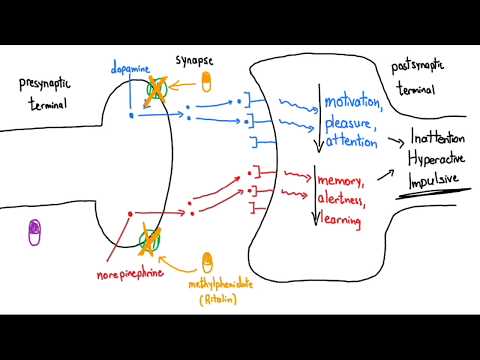
- The pathophysiology of ADHD involves decreased levels of dopamine and norepinephrine in the brain.
- Dopamine is associated with motivation, pleasure, and attention, while norepinephrine is linked to memory, alertness, and learning.
- In a typical neuron, dopamine and norepinephrine are released into the synapse from the presynaptic terminal.
- These neurotransmitters bind to their receptors on the postsynaptic terminal.
- To prevent overstimulation, these neurotransmitters are removed from the synapse back into the synaptic neurons by transporters.
- In ADHD, lower levels of dopamine and norepinephrine result in symptoms like inattention, hyperactivity, and impulsivity.
Mechanism of Action for Stimulant Medications
Methylphenidate (Ritalin)
- Methylphenidate acts by blocking the reuptake of dopamine and norepinephrine back into the presynaptic neuron.
- By doing so, more dopamine and norepinephrine remain in the synapse for a longer time.
Amphetamine (Adderall)
- Amphetamine works differently than methylphenidate. It promotes the release of dopamine and norepinephrine from their storage sites in the presynaptic neuron.
- With more dopamine and norepinephrine in the synapse, there is increased stimulation.
The transcript does not provide timestamps beyond 1:44.
Turn any video into a summary like this
YouTube links, meetings, lectures. With transcripts, search, and chat.