4 ways to make a city more walkable | Jeff Speck
What is a Walkable City?
Definition and Importance
- A walkable city is defined as one where the car is an optional tool for freedom, rather than a necessity.
- The speaker aims to discuss how to create a walkable city, moving beyond the reasons why it’s needed.
General Theory of Walkability
- In typical American cities, where car ownership is prevalent, walking must be made as appealing as driving.
- Four essential elements for promoting walking:
- A compelling reason to walk.
- Safety and perceived safety during walks.
- Comfort while walking.
- Interesting surroundings that engage walkers.
Historical Context of Urban Planning
Lessons from the Past
- The speaker references mentors who taught about urban planning's history, particularly in response to industrial pollution in the 19th century.
- Euclidean zoning emerged as a method of separating land uses but often results in unwalkable cities due to distance between amenities.
Traditional vs. Modern Urban Design
- Two tested methods of community building:
- Traditional Neighborhood: Compact and diverse areas with mixed-use spaces within walking distance (e.g., Newburyport, Massachusetts).
- Suburban Sprawl: Characterized by separation of living, working, and shopping areas leading to unwalkable environments.
Consequences of Suburban Sprawl
Analysis of Sprawl Characteristics
- Suburban sprawl leads to disconnected streets that are unsafe for pedestrians and cyclists.
- Large public institutions like schools are often located far apart with inadequate infrastructure for safe access.
Impact on Community Life
- The trend towards larger civic institutions distances them from neighborhoods, making it difficult for children and families to engage without cars.
- Emphasizing automotive infrastructure over pedestrian-friendly design creates landscapes that discourage walking and biking.
The Duality of the American Dream
Understanding Urban Aspirations
- The desire for both walkable communities and sprawling suburbs reflects conflicting aspects of the American dream.
Understanding Urban Walkability
The Contrast Between Sprawl and Traditional Neighborhoods
- The speaker critiques the reliance on escalators over walking, indicating a fundamental issue in urban design.
- A slide illustrates that both sprawl and traditional neighborhoods contain similar elements; the difference lies in their size, proximity, and street network design.
Importance of Housing in Urban Areas
- In many American cities, there is an imbalance between jobs and housing availability, with housing often being underrepresented.
- Reintroducing housing into urban areas tends to revitalize other community aspects, including schools which improve as families settle.
Role of Transit in Walkable Cities
- While walkable neighborhoods can exist without transit, truly walkable cities require effective transit systems to prevent car dependency.
- Every transit trip begins or ends with walking; thus, enhancing walkability around transit stations is crucial.
Key Factors for Safe Walking Environments
- Block size significantly impacts walkability; smaller blocks (e.g., Portland's 200-foot blocks) promote pedestrian activity compared to larger blocks (e.g., Salt Lake City's 600-foot blocks).
- Research indicates that increasing block size correlates with higher fatal accident rates on non-highway streets.
Induced Demand and Traffic Management
- Induced demand explains how widening roads leads to increased traffic rather than alleviating congestion; this cycle continues as more lanes are added.
- Acknowledgment from engineers suggests that building new roads often exacerbates traffic issues instead of resolving them.
Case Study: Oklahoma City’s Walkability Challenges
- Oklahoma City was labeled the worst city for pedestrians by Prevention Magazine, prompting a comprehensive walkability study.
- Analysis revealed a disconnect between lane designations and actual car counts; many streets were oversized for current traffic levels.
Redesigning Streets for Better Urban Experience
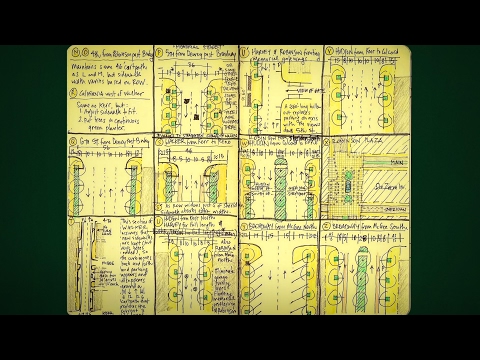
- Efforts are underway to redesign downtown streets based on actual usage data, narrowing oversized streets to create space for bike lanes and parking.
The Evolution of Subdivision Design and Walkability
Changes in Street Standards
- The design of subdivisions has evolved significantly since the 1960s, with wider streets becoming a standard.
- In South Beach, street repairs required widening roads, which reduced sidewalk space due to updated standards that prioritize wider streets.
- Citizens are aware that wider streets encourage faster driving, leading to community efforts for narrower streets in places like Birmingham, Michigan.
Bicycle Infrastructure and Its Impact
- The presence of bicycle infrastructure directly correlates with the number of cyclists; cities that invest in bike lanes see increased ridership.
- Portland's investment in bicycle infrastructure led to significant increases in cycling, demonstrating the effectiveness of dedicated bike lanes.
- New York City successfully doubled its biking population by implementing bright green bike lanes.
Importance of Urban Design Elements
- Effective urban design includes features like parallel parking as a barrier between pedestrians and moving vehicles, enhancing safety.
- Details such as curb return radius affect vehicle speed and pedestrian comfort; overly swoopy designs signal a vehicular-centric environment.
Creating Comfortable Walking Environments
- A comfortable walking experience is influenced by environmental edges; people prefer spaces where they can see potential threats while feeling secure.
- The ratio of building height to street width affects comfort levels; ratios beyond one-to-six may feel uncomfortable for pedestrians.
Revitalizing Neighborhood Spaces
- Empty lots or outdated zoning codes can detract from neighborhood appeal; revitalization efforts must address these "missing teeth."
- Successful projects often involve filling gaps in urban landscapes to create more inviting environments for pedestrians.
Case Study: Columbus, Ohio
- A project by Meleca Architects revitalized the Short North neighborhood by improving access from the convention center through bridge enhancements.
Turn any video into a summary like this
YouTube links, meetings, lectures. With transcripts, search, and chat.