PARQUE DE LAS SILLETAS. FELIPE URIBE DE BEDOUT
Parque de las Silletas Project Overview
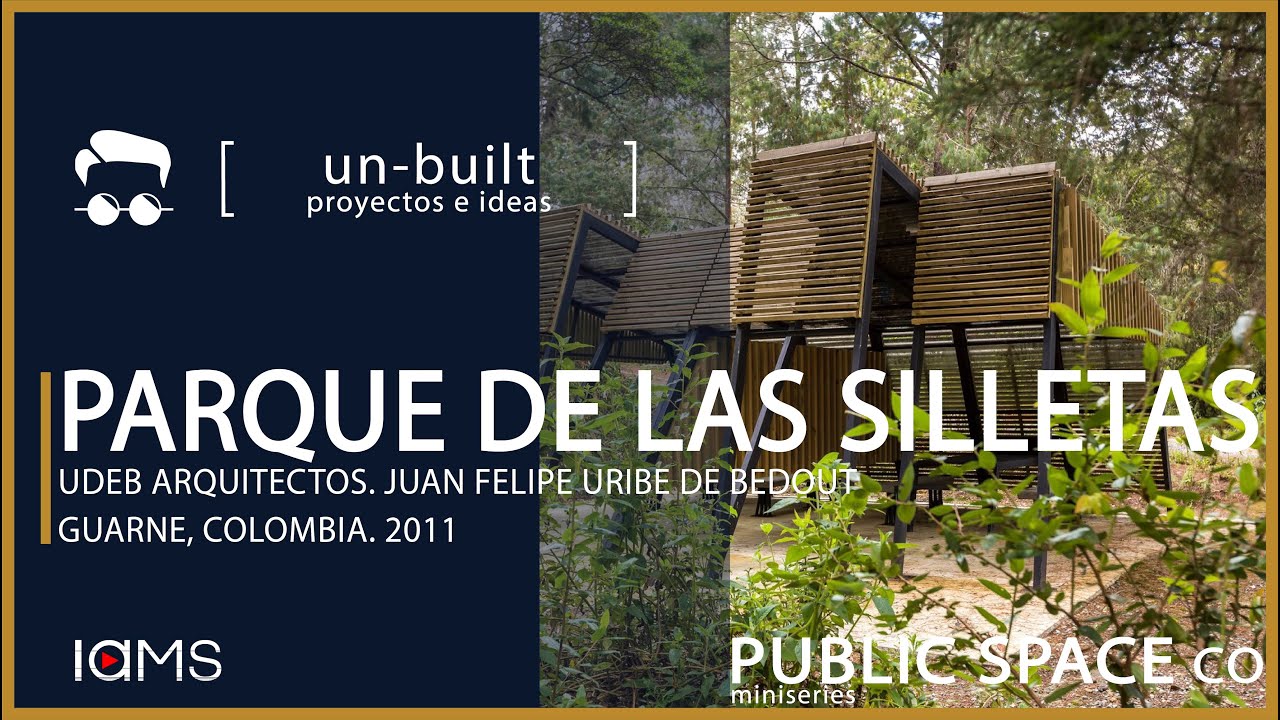
The discussion revolves around the Parque de las Silletas project, named after the traditional silletas used by farmers for transportation. Juan Felipe Uribe de Bedout, the architect behind the proposal, aims to create a recreational and environmentally sustainable model within a forest reserve designated as heritage.
Architectural Design and Integration
- The project emphasizes flexible integration to preserve archaeological sites and honor the region's billeteros tradition.
- The park was constructed in 2011 in Guarne, Colombia, covering approximately 92,600 square meters.
Architect's Background and Approach
- Juan Felipe discusses his architectural office's location in rural Antioquia and their holistic approach to projects of various scales.
- He shares insights on his architectural focus, which includes urban planning, large-scale projects, public spaces design, cultural buildings, and educational architecture.
Educational Involvement and Philosophical Approach
- The architect highlights a strong interest in architectural education at all levels and scales.
- Emphasis is placed on creating architecture that educates through design elements across different projects.
Academic Engagement and Long-Term Client Relationships
- Juan Felipe reflects on his teaching experiences at universities while maintaining a studio conducive to learning with long-term client relationships.
- The architectural philosophy prioritizes events over static designs, focusing on qualitative research before projects commence.
A Conversation on Architecture and Experience
In this section, Juan Felipe engages in a conversation about architecture with a young professor, emphasizing the importance of experience and sharing advice for young professionals entering the field.
Advice for Young Professionals
- Juan Felipe stresses the significance of learning to listen and observe keenly in architecture. He highlights the power of observation as a crucial tool for architects.
- Emphasizes the importance of holistic perspectives in understanding projects globally and culturally, advocating for expanding one's viewpoint beyond individual elements.
- Discusses the concept of "autoencargo," where individuals take initiative rather than waiting to be approached. This proactive approach helps in developing design skills across various scales.
- Encourages constant engagement with design at all levels, from small objects like chairs to larger projects like libraries or houses. This practice fosters a deep connection with the design process.
- Highlights the value of establishing direct relationships with craftsmen and artisans during project execution, promoting a collaborative approach that enhances project outcomes.
Architectural Projects and Social Responsibility
Juan Felipe delves into his project philosophy, emphasizing social responsibility, ethical considerations, and proactive engagement with local authorities.
Project Philosophy
- Expresses a unique approach by focusing on projects that challenge traditional norms, avoiding conventional practices such as offering free work to developers.
- Advocates for engaging with local authorities and presenting projects directly to mayors to contribute meaningfully to collective urban development initiatives.
- Stresses the need for architects to be proactive and visionary in their roles within society, aiming to dispel misconceptions about architects being self-centered or detached from community needs.
Professional Development and Cultural Enrichment
Juan Felipe discusses personal growth through travel experiences, continuous learning through reading, sketching, and nurturing intuition as essential aspects of professional development.
Personal Growth Strategies
- Advocates for extensive travel experiences as enriching opportunities for architectural inspiration. Emphasizes maintaining sketchbooks filled with observations and continuous reading to nurture creativity.
Origin Story of Parque de las Silletas Project
The discussion shifts towards exploring the origins of the Parque de las Silletas project in Colombia through an invitation from Comfama based on its environmental sensitivity.
Project Origins
- Describes how Comfama invited five firms to participate in designing Parque de las Silletas due to its unique environmental and anthropological context within 135 hectares of virgin reserve land owned by EPM.
Institutionalization of Public Contests in Architecture
The discussion revolves around the institutionalization of public contests in architecture, emphasizing the importance of ensuring budget allocations before initiating projects.
Importance of Public Contests
- Public contests ensure budgetary allocations are secured before project commencement.
- In countries like Colombia, where public contest results are binding, it democratizes project opportunities for young architects.
- Public contests lead to the selection of projects based on merit rather than political motives.
Architectural Project Development and Contest Participation
The conversation delves into the significance of architectural project development through public contests and international participation.
Architectural Contest Dynamics
- Colombian architectural contests attract international participants, fostering collaboration and exposure.
- Contests serve as a platform for both established and aspiring architects to showcase their skills and creativity.
Architectural Transformation Through Public Projects
Exploring how architectural firms with expertise in public spaces contribute to urban transformation through innovative projects.
Urban Transformation Impact
- Architectural interventions in public spaces like parks and libraries contribute significantly to urban revitalization.
- Emphasis on designing public spaces with meticulous detail elevates their societal value and impact positively on communities.
Environmental Sensitivity in Architectural Design
Discussing a large-scale architectural project's environmental considerations and design approach towards sustainability.
Environmental Design Principles
- Balancing environmental sensitivity with construction needs is crucial for sustainable architectural projects.
New Section
The speaker discusses the geographical area of Valle de Aburrá, inhabited by the aburraes, and how they viewed it as a whole. They mention the cultural significance of being in the hills and transforming them into observatories.
Cultural Significance of Geography
- The Valle de Aburrá was inhabited by the aburraes who saw it as a unified geographic entity.
- Emphasis on archaeological sites and cultural elements shaping design considerations.
- Integration of environmental sensitivity into design through marked trails and connections.
New Section
The discussion shifts towards incorporating traditions like arrieros (muleteers) into the design process, emphasizing their intelligence in navigating terrains.
Tradition Integration in Design
- Utilizing mules' intelligence to inform path creation between high and low areas.
- Balancing minimal construction with communication infrastructure for environmental impact.
- Focus on repopulating vegetation to enhance water absorption and ecological balance.
New Section
The speaker delves into the long-term nature of architectural projects, highlighting the need for continuity amidst changing personnel and individual influences.
Long-Term Architectural Projects
- Projects span decades with evolving teams and varying design inputs.
- Caution against haphazard urban development in simple territories like Santa Elena.
- Introducing a strategic approach akin to playing a game within finite parameters for sustainable development.
New Section
The focus is on designing key elements that reflect local culture while allowing flexibility for future adaptations within Santa Elena's context.
Designing Cultural Elements
- Incorporating fundamental cultural aspects into design for educational purposes.
- Creating typologies that blend tradition with innovative approaches for sensitive terrains.
Detailed Discussion on Architectural Elements and Cultural Significance
The speaker discusses the incorporation of architectural elements like hydration stations in public spaces, emphasizing their role as essential support structures that can sometimes overshadow the main project. These elements are seen as crucial for accommodating various needs and cultural expressions.
Architectural Elements in Public Spaces
- Hydration and refreshment stations designed as unique kiosks, resembling caricatures common in parks.
- Conceptualizing large seating areas as pixels, allowing for international collaboration with artists to create thematic installations.
- Utilizing a pixel system to engage artists in creating pieces related to themes such as peace, indigenous cultures, or galaxies.
- Implementing a rural system involving small seedlings akin to pixels for younger generations to work with technology while preserving traditional practices.
- Blending artistry into functional elements like hydration stations to create visually appealing yet practical structures within the landscape.
Cultural Heritage Preservation and Design Innovation
The discussion delves into the fusion of cultural heritage preservation with innovative design approaches. It explores how buried treasures and indigenous traditions influence architectural decisions while complying with regulations.
Fusion of Cultural Heritage and Design
- Incorporating artistic and cultural significance into architectural features through subtle placements within the landscape.
- Transforming concrete structures into artistic elements that blend seamlessly with nature, offering multifunctional spaces for public engagement.
- Enhancing nighttime aesthetics through lighting that highlights reforestation efforts and natural surroundings, integrating architecture with the environment.
- Using luminaries to guide visitors through pathways while showcasing the surrounding landscape's beauty under different lighting conditions.
Innovative Interpretations of Norms and Spatial Planning
The conversation shifts towards interpreting norms creatively to navigate restrictions effectively. It explores how burial traditions influence design choices and spatial planning strategies.
Creative Interpretation of Norms
- Discussing "huacas" as indigenous burial sites influencing cultural narratives and design decisions within legal constraints.
- Exploring the significance of buried artifacts in design processes due to regulatory limitations on soil movement near buildings.
- Adapting pragmatic approaches by using buried artifacts' presence strategically to comply with regulations while enhancing green spaces aesthetically.
Geometric Innovations in Architectural Design
The focus shifts towards geometric innovations in architectural design influenced by indigenous traditions. It examines how spatial configurations evolve based on historical practices.
Geometric Evolution in Design
- Introducing mid-level excavation techniques merging earthworks with structural elements for cultural events like concerts or dances.
- Exploring geometric patterns inspired by indigenous traditions, utilizing shapes like hexagons derived from circular forms prevalent in local culture.
Detailed Architectural Design Concepts
The speaker discusses the architectural design concepts of a site, including support corridors, internal cafes, storage areas, archaeological zones, treatment and restoration spaces, and significant luminaries that set a standard for the project.
Architectural Elements and Mystical Interpretations
- Support corridors with internal cafes, storage areas, and archaeological zones were crucial in setting the architectural standards for the project.
- Mystical interpretations arose from local beliefs associating rainbows with landing spots and mysterious lights at sacred sites.
Integration of Natural Elements in Design
The integration of natural elements like hills and open spaces into the design to enhance environmental sensitivity and create a connection with nature is discussed.
Environmental Sensitivity through Design
- Elevating hills to improve water retention and vegetation growth while creating natural observation points.
- Emphasizing the clarity of night skies for stargazing by minimizing light pollution.
Philosophical Underpinnings of Architecture
The speaker delves into the philosophical aspects underlying architectural design choices aimed at fostering contemplation rather than mere entertainment.
Philosophical Intentions in Architecture
- Designing spaces for deep contemplation rather than superficial entertainment.
- Creating event halls with central luminaries connecting to the sky to evoke profound experiences.
Architectural Symbolism and Historical References
Exploring architectural symbolism related to ancient burial mounds as foundational human structures and designing barren spaces for stargazing activities.
Symbolism in Architecture
- Incorporating elements reminiscent of ancient burial mounds as symbolic references to early human architecture.
- Developing barren spaces devoid of vegetation for stargazing activities like kite flying and playing games under clear night skies.
New Section
In this section, the speaker discusses the neglect in a specific area of the city and relates it to the current unfortunate situation in Guayaquil. The conversation touches on violence, territory, and external influences invading their lives.
Absence in the City and Current Challenges
- The neglect in a part of the city reflects the challenges faced by residents.
- Violence is intertwined with territorial issues.
- External factors have invaded their lives, impacting their environment.
New Section
This segment delves into an analogy using a centipede to illustrate adaptation to terrain without direct support. It also touches on pragmatism's role in architecture and problem-solving.
Centipede Analogy and Pragmatism
- The speaker uses a centipede as an analogy for adapting to terrain without direct support.
- Pragmatism plays a crucial role in architectural solutions.
New Section
Here, the discussion centers around innovative architectural approaches to address spatial constraints effectively while incorporating natural elements like water flow and vegetation.
Innovative Architectural Approaches
- Introduction of a unique system utilizing pieces with four legs to optimize space usage.
- Incorporation of natural elements like water flow and fauna within architectural design.
New Section
This part focuses on designing structures that harmonize with topography, considering slopes, curvatures, and biological circuits. It emphasizes maintaining ecological balance through architectural planning.
Harmonizing Design with Topography
- Importance of considering topographic slopes for functional architectural design.
- Balancing biological circuits within structures for ecological sustainability.
Detailed Architectural Design Insights
In this section, the speaker discusses the architectural design elements in a tropical setting, emphasizing the challenges posed by extreme conditions and the importance of integrating nature into the design process.
Architectural Challenges in a Tropical Setting
- The speaker highlights the difficulties faced due to extreme tropical conditions, such as intense sunlight and water-related issues.
- Emphasizes Ecuador's unique position with almost bipolar changes, stressing the need to incorporate features like water collection tanks and shade-providing plants into designs.
- Discusses the concept of being hosts not only to human users but also to nature and its diverse species, mentioning the presence of birds and ants as part of the ecosystem within architectural spaces.
Design Elements for Functionality
- Describes practical design features like designated areas for food distribution on different levels to ensure unobstructed views and efficient service flow.
- Talks about using modular furniture to minimize impact on interior spaces, contrasting traditional umbrellas with Colombia's solution of using parasols for shading.
Innovative Architectural Perspectives
This segment delves into innovative architectural approaches that prioritize aesthetics while addressing functional needs in building design.
Aesthetic Solutions in Architecture
- Highlights Colombia's cultural shift towards utilizing parasols instead of traditional awnings or canopies in architecture, showcasing a visually appealing project that serves as a viewing platform for mountain landscapes.
- Discusses creating viewpoints within architectural structures to appreciate surroundings while maintaining architectural significance through horizontal layers and geometric planes that influence perspectives.
Harmonizing Nature and Architecture
- Explores incorporating natural elements like trees into architectural designs, leveraging unique structural challenges as opportunities for creative solutions that blend vertical tree elements with horizontal building components.
- Envisions futuristic possibilities where buildings could potentially float using air pressure technology akin to magnetic trains, reflecting on defying gravity through innovative design concepts.
Integrating Functional Spaces with Landscape
This part focuses on seamlessly integrating functional spaces with natural landscapes to create harmonious environments that cater to both practical needs and aesthetic appeal.
Blending Landscape Features with Functionality
- Envisions landscape terrains subtly merging with built structures to offer technical facilities like storage areas for gardeners discreetly integrated within natural surroundings.
Detailed Architectural Design Insights
In this section, the speaker discusses the importance of treating all individuals involved in a project with dignity and care, emphasizing the need for equal respect for employees and users.
Importance of Dignity in Project Operations
- Employees in parks are often neglected, being kept in dark basements without light.
- Designing spaces for meetings and events within a park is crucial for creating a sense of community and engagement.
- Emphasizes that civic design should aim to create spaces where time seems to stand still, focusing on experiences rather than efficiency.
- Discusses the design elements such as picnic areas and bus stops that can be integrated subtly into park designs.
- Advocates for transparent and subtle architectural designs that blend harmoniously with nature.
Creating Character Through Repetition
This part delves into the significance of repetitive elements in urban design to establish character and identity within a cityscape.
Significance of Repetitive Elements
- Repeating design elements like benches or phone booths throughout a cityscape contributes more to its character than monumental buildings.
- The importance of refining designs through an industrial lens to ensure practicality, safety, and aesthetic appeal.
Balancing Visibility and Security
The speaker explores the delicate balance between visibility for security purposes while maintaining a sense of natural surveillance within large public spaces.
Balancing Visibility and Security
- Emphasizes the importance of visibility within large parks to enhance security without compromising on aesthetics or functionality.
- Compares natural surveillance mechanisms to being under the shade of a tree, highlighting how design elements can facilitate both observation and comfort.
Innovative Architectural Approaches
This segment focuses on innovative architectural approaches that blend seamlessly with nature while allowing for flexibility in design implementation.
Innovative Architectural Approaches
- Describes architectural features resembling floating tables or animal-like structures that adapt to topography creatively.
Detailed Discussion on Architectural Projects
In this section, the speaker discusses collaborating with Álvaro Criollo on architectural projects, emphasizing teamwork and negotiation in the field.
Collaborative Work with Álvaro Criollo
- The speaker mentions working with Álvaro Criollo as a co-author on various aspects of architectural projects.
Importance of Teamwork and Negotiation
- Emphasizes the necessity of teamwork in architectural endeavors, highlighting the constant negotiation required when working with a team of eighteen professionals.
Insights into Handling Challenging Projects
This part delves into the speaker's perspective on managing difficult projects and the importance of empathy and communication skills in architecture.
Managing Difficulties in Projects
- Expresses a preference for challenging projects due to the opportunity they provide to learn how to handle adversity effectively.
Significance of Empathy and Communication
- Stresses the importance of being empathetic, strong, and attentive listeners in order to successfully navigate complex architectural projects.
New Section
In this section, the speaker discusses the importance of elements like water and bamboo in rural areas.
Elements of Importance
- The speaker highlights external or rural elements such as water and bamboo as crucial components.
New Section
The speaker talks about the design choices made for a park, emphasizing sophistication without being overly specific.
Design Choices
- The park was designed with sophistication, focusing on specifications like marble floors, quartz sand, high-quality trees, and furniture.
- A large sandy area was intentionally left for visitors to rest.
New Section
The speaker explains the concept behind naming a park to attract a diverse range of visitors.
Naming Strategy
- Parks are not solely created for children and families; they can serve various purposes beyond recreation.
- The park aimed to cater to all age groups from toddlers to elderly individuals.
New Section
Discussion on creating an inclusive environment within the park by considering different visitor needs.
Inclusive Design
- The design included features like fine sand for children and executives alike to enjoy barefoot walks.
- Executives were observed rolling up their pants and walking barefoot alongside children in suits.
New Section
Naming evolution of a park based on its unique feature of allowing visitors to walk barefoot.
Park Renaming
- Initially unnamed, the park earned its title "Parque de los Pies Descalzos" (Barefoot Park) due to visitors' preference for walking barefoot on well-installed stone floors.
- Despite initial reluctance towards renaming, it became synonymous with the experience it offered.
New Section
In this section, the speaker discusses the impact of surprising elements in architectural design on the soul and preconceptions.
Impact of Surprising Elements in Architecture
- Surprising elements in architecture have a powerful effect on the soul, challenging preconceptions.
- Architecture should aim to surprise people upon entering a space to create a profound experience.
New Section
This part delves into the coherence between interior and exterior design elements in architecture.
Coherence in Interior and Exterior Design
- The example of Campos de Paz illustrates extreme conceptualization where every detail aligns with the overall design concept.
- Topography plays a crucial role in creating coherence between different architectural elements.
New Section
Here, the discussion revolves around creating unexpected experiences through architectural design features like infinite light and changing water.
Creating Unexpected Architectural Experiences
- Architectural designs incorporating infinite light and dynamic water features can evoke curiosity and wonder.
- The element of surprise upon entering a space can lead to varied reactions among individuals.
New Section
This segment explores how natural light interacts with architectural materials like wood, creating an intriguing play of light within spaces.
Interaction of Light with Architectural Materials
- Utilizing natural light to create effects resembling huacas (structures generating light) adds an interesting dimension to architectural design.
- Incorporating minimal lighting enhances the nighttime experience, allowing for gradual illumination as one approaches a structure.
New Section
The focus here is on how concrete as a material interacts with its surroundings over time, blending harmoniously with nature.
Concrete Integration with Surroundings
- Concrete's aging process allows it to blend seamlessly with its environment over time, mimicking natural elements like rocks.
- The choice of concrete as a material aligns with the context of rocky surroundings, emphasizing harmony between architecture and nature.
Detailed Discussion on Design Challenges
In this section, the speaker discusses the significant design challenges faced during a project, emphasizing the importance of structural integrity over aesthetics.
Modular Design Challenges
- The slow process of modular design poses a major challenge, requiring a focus on structural design rather than aesthetics.
- Emphasis is placed on ensuring rigidity and preventing fissures due to the unique triangular walls supported at only one point.
Future Planning and Interventions in Park Design
This part delves into future planning considerations for park designs and interventions made post-construction.
Future Planning and Interventions
- Discussion on creating a logical sequence for adding pieces to the master plan for coherence with initial park concepts.
- Mention of minor interventions post-2011 construction, including recreational additions like fiberglass slides disguised as trees.
Preservation of Conceptualization in Park Design
The conversation shifts towards preserving the original conceptualization in park designs amidst subsequent interventions.
Preservation Efforts
- Description of efforts to maintain certain elements such as aerial walkways and wooden structures within the park's design.
- Reflection on maintaining respect for the original project concept despite potential changes over time.
Conceptualizing Public Space
Exploring differing perspectives on public space and its significance in urban environments.
Defining Public Space
- Delving into redefining public space as civic space to emphasize its role in fostering civility and culture.
New Section
In this section, the speaker discusses the importance of civic spaces in architecture and community building.
Civic Space as a Place for Freedom and Coexistence
- Civic space should allow individuals to be free and come together under norms of respect.
- Every space should be open to everyone, with room for all, but without excluding anyone.
- Civic spaces need to cater to both collective gatherings and individual solitude.
- Urban planning should focus on minute details for ergonomic comfort in public spaces.
- Comfort is crucial in civic spaces to enable deep contemplation and prevent discomfort from hindering thought processes.
New Section
This part delves into the significance of comfort and safety in public spaces for meaningful engagement.
Importance of Physical Comfort in Public Spaces
- Physical comfort is essential for profound reflection and engagement with one's surroundings.
- Feeling safe and comfortable is vital for using public spaces effectively.
- Public spaces should offer a respite from time constraints and productivity pressures, allowing leisurely philosophical contemplation.
- Civic spaces should welcome wanderers seeking experiences without being viewed as threats.
New Section
The speaker explores the role of civic spaces in fostering connections between individuals from diverse backgrounds.
Fostering Connections Through Civic Spaces
- Civic spaces encourage interactions with strangers to transform them into potential friends.
- Designing public spaces that accommodate various group sizes while prioritizing individual comfort is crucial.
Espacio Cívico: Importance of Public Spaces
In this section, the speaker discusses the significance of public spaces in fostering civic engagement and interaction among individuals within a community.
The Role of Public Spaces
- Public spaces should promote respect and civility among individuals, allowing for diverse expressions and interactions.
- Designing public spaces plays a crucial role in encouraging community engagement and utilization of these areas.
- Challenges arise when public spaces are not designed to accommodate various activities or age groups, leading to underutilization.
- Public spaces should cater to a wide range of demographics and activities to ensure inclusivity and active use by the community.
- Safety considerations such as visibility, lighting, and park maintenance are essential for creating secure and inviting public spaces.
Designing Secure and Inclusive Public Spaces
This segment delves into the importance of designing public spaces that prioritize safety, inclusivity, and user comfort.
Ensuring Safety in Public Spaces
- Visibility within public parks is crucial for security purposes, emphasizing the need for clear sightlines and adequate lighting.
- Effective design should focus on making individuals feel secure within public spaces to encourage their utilization.
Inclusivity in Urban Design
- Architects play a vital role in addressing security concerns within urban environments through thoughtful design solutions that cater to diverse user needs.
- The success of public spaces hinges on providing opportunities for varied activities across different age groups while maintaining a balance between usage preferences.
Community Engagement Through Urban Spaces
This part explores how urban environments can facilitate community engagement, social interactions, and shared experiences among residents.
Fostering Community Connections
- Urban spaces serve as platforms for diverse experiences based on individual interpretations, emphasizing their role as inclusive environments for all.
Discussion on Anthropology and Civic Space
In this segment, the speaker discusses the importance of understanding anthropology in relation to civic spaces.
Understanding Anthropology for Civic Spaces
- The civic space demands a deep understanding of anthropology, sociology, psychology, ergonomics, and proxemics.
- Emphasizes the need for architects to ask essential questions related to civic spaces beyond basic geometry and composition.
- Highlights the significance of considering factors like people's origins, movements within spaces, and cultural aspects in designing civic spaces.
- Discusses the complexity of designing civic spaces by likening it to hydraulic engineering in terms of managing human flows and interactions.
Preparation and Pleasure in Studying Civic Spaces
This part delves into the preparation required for designing civic spaces and the satisfaction derived from studying them.
Preparation for Civic Spaces
- Designing civic spaces necessitates extensive preparation involving understanding human behavior, infrastructure design, and cultural considerations.
- States that the level of preparation directly correlates with the pleasure derived from studying or preparing for civic spaces.
Future Plans and Collaborations
The discussion shifts towards future plans for sharing knowledge about architecture and forming a network of learning.
Building a Network
- Expresses gratitude for participation and hints at creating a repository of ideas for continued learning.
- Mentions sharing a set of 19 questions related to architecture as a resource for further exploration.
Expanding Knowledge Sharing Initiatives
The conversation extends to potential initiatives aimed at expanding architectural knowledge sharing platforms.
Knowledge Exchange Initiatives
- Acknowledges the importance of sustained communication channels beyond mere information exchange.
- Discusses plans to develop an online platform focusing on architectural dissemination through video formats.
Prospects for Future Collaboration
The dialogue touches upon resuming live discussions post-pandemic and fostering collaborative opportunities.
Resuming Collaborative Efforts
- Reflects on past engagement hiatus due to project commitments but expresses eagerness to resume interactive sessions soon.
Envisioned Networking Opportunities
Explores possibilities of transforming current engagements into broader educational networks within architecture.
Educational Networking Vision
Conversational Exchange Overview
The conversation involves introductions and an invitation to share details about a project related to the office.
Introduction and Project Discussion
- Juan Felipe is welcomed to share details about his project.
- The host expresses gratitude for the information shared and encourages openness in discussing project details.
- Participants are reminded of an upcoming event on Thursday regarding the Rumipamba environmental park project.