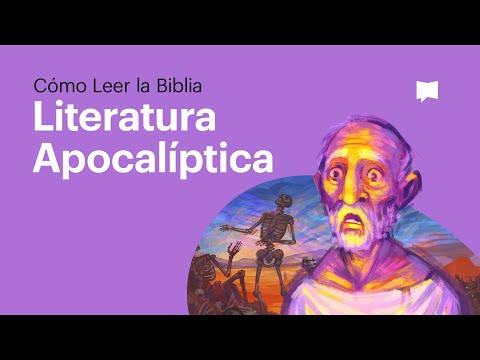
Cómo leer la Biblia: Literatura Apocalíptica
Understanding Apocalyptic Literature in the Bible
The Nature of Apocalypse
- The term "apocalypse" conjures images of destruction, such as blood moons and collapsing mountains, but it does not mean the end of the world.
- In Greek, "apocalypse" means to reveal or uncover; it signifies a moment when one sees the true nature of something previously hidden.
Divine Perspective
- An apocalypse is a revelation from God that provides insight into worldly events from a divine viewpoint.
- Biblical examples include Isaiah's vision in God's temple and Paul's transformative encounter with the resurrected Jesus.
Purpose and Impact
- These revelations offer individuals a celestial perspective on their earthly situations, which can inspire hope or provoke change.
- The Bible contains entire sections where prophets describe apocalyptic dreams and visions, known as apocalyptic literature.
Understanding Symbols
- Interpreting apocalyptic symbols requires studying the broader biblical context; many images are rooted in patterns established from Genesis onward.
- For instance, chaotic seas symbolize danger and chaos while dry land represents safety and order for humanity.
Insights from Revelation
- The Book of Revelation serves as an extensive example of apocalyptic literature, beginning with John’s vision at God's throne where he sees Jesus depicted as a sacrificial lamb.
- Revelation features cycles of divine judgment reflecting historical moments like the flood and plagues, illustrating humanity's capacity for violence leading to self-destruction.
Conclusion: A Renewed Creation
- Despite its themes of destruction, Revelation ultimately points towards renewal—a new creation initiated by Jesus' resurrection where Heaven and Earth reunite.
Turn any video into a summary like this
YouTube links, meetings, lectures. With transcripts, search, and chat.