How sleep affects your emotions | Sleeping with Science, a TED series
Sleep and Emotional Brain
In this section, the speaker discusses the impact of sleep on our emotional brain and why a lack of sleep can make us emotionally irrational and hyperreactive.
The Study on Sleep Deprivation and Emotional Brain
- A brain imaging study was conducted on healthy adults to examine how their emotional brain reacts after a full night of sleep or sleep deprivation.
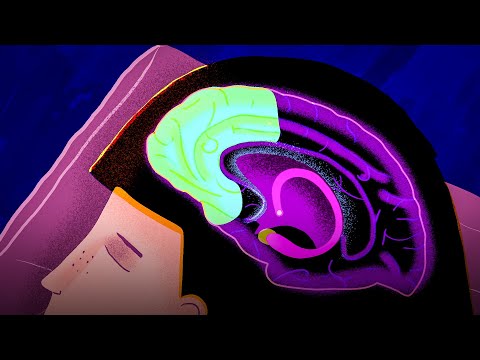
- The amygdala, a key region for generating strong emotional reactions, was focused on during the study.
- Participants who had a full night of sleep showed an appropriate moderate degree of reactivity from the amygdala.
- However, in those who were sleep-deprived, the amygdala was hyperactive, being almost 60% more responsive.
Role of Prefrontal Cortex in Sleep Deprivation
- The prefrontal cortex is a brain region located above the eyes that acts as the CEO of our brain.
- It is responsible for making high-level executive decisions and controlling reactions.
- One function of the prefrontal cortex is regulating the deep emotional center, including the amygdala.
- In individuals with sufficient sleep, there is strong communication between the prefrontal cortex and the amygdala. However, in those who are sleep-deprived, this communication is severed.
Emotional Impact of Sleep Deprivation
- Lack of sleep leads to increased reactivity in the amygdala due to reduced regulation from the prefrontal cortex.
- This imbalance results in heightened emotional responses without proper control mechanisms.
- Sleep deprivation can cause individuals to become emotionally irrational and lacking regulatory control.
Benefits of Sleep for Emotional Well-being
- Getting sufficient sleep, particularly rapid eye movement (REM) sleep, offers emotional first aid.
- During sleep, difficult emotional experiences from the day are processed and soothed.
- Sleep acts as a nocturnal soothing balm, reducing the intensity of challenging emotions.
Conclusion
- Sleep plays a crucial role in regulating our emotional brain.
- Lack of sleep can lead to hyperactivity in the amygdala and reduced control from the prefrontal cortex.
- Getting enough sleep, especially REM sleep, helps alleviate emotional distress and maintain emotional well-being.
Turn any video into a summary like this
YouTube links, meetings, lectures. With transcripts, search, and chat.