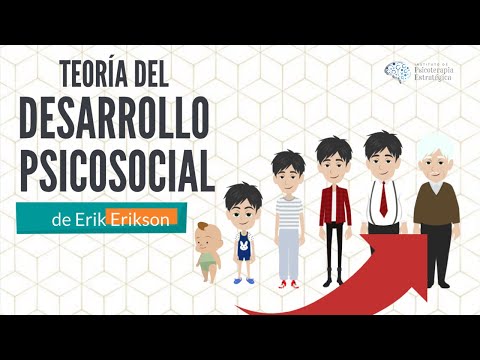
Las 8 Etapas de desarrollo Psicosocial de Erik Erikson cómo evolucionamos psicológica y socialmente
Erik Erikson's Psychosocial Development Theory
Overview of Erikson's Theory
- Erik Erikson's psychosocial development theory is widely accepted in developmental psychology, outlining key stages and conflicts throughout an individual's life.
- Unlike Freud, who emphasized sexual development, Erikson focuses on social interactions as crucial for developing self-awareness and identity.
Stages of Development
Stage 1: Trust vs. Mistrust (Birth to 1.5 years)
- This stage centers on the bond with the mother; a secure environment leads to trust in the world, while inadequate care fosters mistrust and feelings of frustration.
Stage 2: Autonomy vs. Shame and Doubt (1.5 to 3 years)
- Children develop independence through successful task completion; supportive caregivers foster autonomy, while failure can lead to shame and doubt about their abilities.
Stage 3: Initiative vs. Guilt (3 to 5 years)
- During this stage, children explore their surroundings through play; success builds confidence, whereas excessive guilt can hinder initiative and create fear of challenges.
Stage 4: Industry vs. Inferiority (5 to 13 years)
- Children compare themselves with peers; positive reinforcement encourages skill development, while negative feedback may result in feelings of inferiority if not managed properly.
Stage 5: Identity vs. Role Confusion (13 to 21 years)
- Adolescents seek their identity by exploring roles within society; independence is crucial as they navigate personal choices alongside responsibilities.
Stage 6: Intimacy vs. Isolation (21 to 40 years)
- Establishing intimate relationships becomes vital; those who fail may experience isolation or insecurities regarding their worthiness for connection.
Stage 7: Generativity vs. Stagnation (40 to 60 years)
- Individuals focus on contributing beyond personal interests; achieving generativity leads to fulfillment, while stagnation results from feeling unproductive or insignificant.
Stage 8: Integrity vs. Despair (60+ years)
Reflection on Aging and Development
The Impact of Nostalgia on Aging
- Reflecting on the past can evoke feelings of nostalgia or despair, influencing how individuals cope with the physical changes of aging.
- A positive or negative perspective on past experiences affects one's approach to the challenges and losses associated with aging.
Psychosocial Theory and Life Development
- The psychosocial theory offers a broad framework for understanding development throughout life, emphasizing human social nature.
- It highlights the significant role that social relationships play in individual development, shaping identity and personal growth.
Debates Surrounding Developmental Stages
- There is ongoing debate about whether developmental stages are strictly sequential and confined to specific age ranges as suggested by the theory.