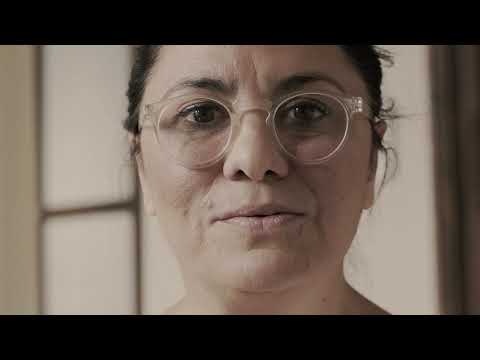
Testimonio de Dolores Etchevehere
Introduction to Personal Story and Context
Background of the Speaker
- The speaker shares a personal narrative after 11 years of research into issues of crime, impunity, and corruption within their family. They highlight the impact of these crimes not only on themselves but also on many other victims affected by power dynamics and state complicity.
Family Dynamics and Corruption
- The speaker identifies their brothers—Sebastián, Juan Diego, and Luis Miguel—as perpetrators of various crimes against them, including fraud and economic violence stemming from inheritance disputes. Their family's historical strength in agriculture and media is contrasted with their corrupt practices.
Corruption Mechanisms
Criminal Activities
- A detailed account is given regarding fraudulent activities such as tax evasion, money laundering, labor exploitation, and environmental degradation facilitated by political connections that allow for impunity. The speaker emphasizes how these actions have gone unpunished due to systemic corruption.
Inheritance Disputes
- The speaker asserts their legal rights as the sole daughter of Luis Félix Chévere but describes how their brothers forged signatures to seize control over family assets through fraudulent means. This has led to a deep sense of betrayal and shame regarding familial conduct.
Personal Impact of Economic Violence
Experiences of Abuse
- The speaker recounts witnessing severe abuses against women employed in their household as well as broader acts against vulnerable individuals connected to them. This has contributed to a growing estrangement from their family due to moral disagreements over these actions.
Legal Struggles
- Despite numerous attempts at seeking justice through legal channels, the speaker faced significant financial pressure from their brothers who controlled all resources, leading them into situations where they were coerced into signing false documents—a form of economic violence that left them isolated.
Finding Support
Meeting Juan Grabois
- Introduction to Juan Grabois marks a turning point; he represents one of the few figures willing to confront oppressive systems directly. His advocacy for agrarian reform resonates with the speaker's experiences and aspirations for justice concerning land ownership rights.
Collaboration for Justice
- After sharing ten years' worth of investigative findings with Grabois, he becomes the speaker's lawyer, indicating a partnership aimed at addressing systemic corruption involving judges, lawyers, politicians, and others complicit in maintaining this cycle of abuse.
Initiatives for Change
Project Artigas Formation
- Together with committed lawyers and organized groups focused on ecological agriculture, they establish Project Artigas aimed at seeking truth and reparations—not just for themselves but for all victims impacted by corrupt practices within society. This initiative seeks historical redress against those responsible for injustices suffered by many families like theirs.
Empowerment Through Action
- The speaker expresses determination not merely as a victim but as an active participant reclaiming agency over inherited lands through agroecological projects intended both for personal healing and community restoration efforts starting October 15th with symbolic planting activities on rightful property grounds.
Legal Actions Against Corruption
Pursuing Justice
- Legal actions are initiated across various courts targeting judges accused of bias towards powerful interests while demanding accountability from provincial and national governments regarding safety concerns tied to ongoing projects involving vulnerable workers associated with Project Artigas.
Goals Moving Forward
- Emphasis is placed on sustainable agricultural practices while simultaneously exposing corrupt power structures affecting rural communities in Argentina—aiming toward building an equitable future free from dispossession or exclusionary practices directed at marginalized populations.