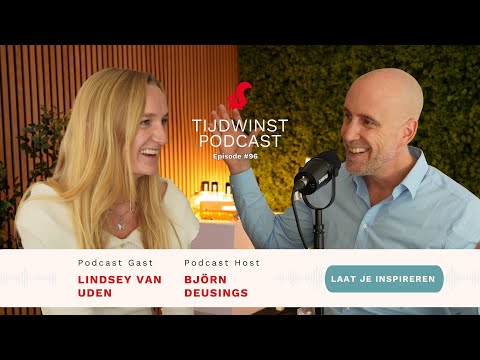
Aflevering #96: 'Zon, strand, vrijheid: klopt het plaatje van remote werken?' | Tijdwinst Podcast
Tijdwinst Podcast: The Journey of Moving Abroad
Introduction to the Podcast
- Welkom bij de Tijdwinst podcast, hosted by Burn Deusings. The focus is on personal effectiveness and smarter living.
- Discussion centers around young people leaving the Netherlands for opportunities in places like Dubai or Marbella, featuring guest Lindy van Uden who moved to Costa del Sol.
Lindy's Decision to Move
- Lindy shares her experience of moving to Spain four years ago, emphasizing her commitment by immediately deregistering from the Netherlands. She felt ready for a change.
- Initially daunting, the decision turned out to be a positive one for her as she sought new challenges and adventures abroad.
Background and Motivation
- Lindy studied International Hotel Management and completed internships in New Zealand and Mexico, where she learned Spanish and gained insights into working abroad. This broadened her perspective on career opportunities outside the Netherlands.
- Her dissatisfaction with work-life balance in the Netherlands—characterized by stress and a lack of spontaneity—prompted her search for a more fulfilling environment elsewhere. She found herself longing for adventure and sunshine.
Challenges Faced
- Lindy describes feeling overwhelmed by the fast-paced lifestyle in the Netherlands, which revolved heavily around work without much room for leisure or spontaneity. This contributed to her desire for change.
- After deciding to seek employment abroad, she quickly found a job in southern Spain, marking a significant life transition at age 25 that felt both liberating and risky (burning bridges). She was determined to embrace this new chapter fully despite potential setbacks.
Cultural Differences
- The structured planning culture in the Netherlands contrasted sharply with what she anticipated would be more flexibility abroad; this realization fueled her desire for exploration beyond familiar borders. She craved an environment where she could build experiences independently while navigating cultural differences through language learning and adaptation efforts.
- Reflecting on past experiences during internships helped alleviate fears about moving permanently; it made her realize that adapting wasn't as daunting as it seemed initially, reinforcing her belief that she could thrive in Spain's different setting while remaining close enough to home if needed.
Understanding the Challenges of Relocating: A Personal Journey
The Process of Relocation
- Many people believe that moving to another country, like Spain, is a straightforward process due to the perception that everything is well-organized in their home country, such as the Netherlands.
- Individuals often realize that the challenges they face are largely mental; they may interpret obstacles as more daunting than they truly are.
- Common reasons for hesitation include job security and property ownership, which can create a sense of binding commitment to one's current location.
- The speaker felt it was an ideal time to move since they were dissatisfied with their job and had no fixed housing commitments, making it easier to take the leap.
Reactions from Others
- The speaker's friends and family were not shocked by their decision to relocate; instead, many expressed that it was about time given their long-standing interest in moving abroad.
- Family members were relieved that the destination was Spain rather than a more distant or less familiar place.
Youth Perspectives on Life in the Netherlands
- There is a growing sentiment among young people in the Netherlands expressing dissatisfaction with life there, feeling trapped by rigid schedules and high expectations.
- Factors contributing to this discontent include skyrocketing housing prices and a lack of true stability in what was once considered secure living conditions.
Global Connectivity and Perceptions
- Advances in technology have made global communication easier (e.g., video calls), which helps mitigate feelings of isolation when relocating abroad.
- Social media platforms like Instagram often portray an idealized version of life abroad, leading individuals to believe that simply being in a new location will solve all problems.
Realities of Moving Abroad
- Despite initial excitement about relocating, practical challenges arise once settled into a new environment—such as building networks and navigating local bureaucracy.
- The speaker faced difficulties with Spanish administrative processes upon arrival, highlighting how much simpler things are managed back home compared to Spain's bureaucratic hurdles.
- Patience is essential when dealing with these challenges; one must be prepared for setbacks while adjusting to life in a new country.
Social Challenges of Relocating to Spain
Building a New Network
- The speaker discusses the practical challenges of relocating, emphasizing the need to rebuild one's social and professional network from scratch.
- They note that forming new friendships can be more difficult as an adult compared to when one is in school, where making friends is often easier.
- The process of starting over can be daunting but also presents opportunities for discovering new hobbies and places; however, it requires active effort and stepping out of comfort zones.
Cultural Differences in Friendships
- The speaker reflects on the depth of long-term friendships formed in their home country versus the more functional relationships often found among expats.
- They mention that many newcomers may initially view their stay in Spain as temporary, which affects how they approach building relationships.
- Over time, some individuals decide to settle permanently, leading to deeper connections with those who share similar intentions.
Integration into Local Culture
- The conversation shifts towards whether expats primarily interact within their own community or engage with locals; shared experiences create bonds among expats.
- While there is a desire to integrate with Spanish culture, language barriers can complicate forming genuine friendships with locals.
- The speaker notes that cultural norms differ significantly; visiting homes uninvited is uncommon in Spain compared to other cultures.
Challenges in Forming Local Friendships
- Establishing friendships with Spaniards can be challenging due to cultural differences regarding social interactions and hospitality norms.
- Once initial connections are made, these relationships can become meaningful; however, they require patience and understanding of local customs.
Temporary Nature of Expat Life
- There’s an acknowledgment that many expats may not stay long-term, which influences their willingness to form deep connections.
- This transient lifestyle creates a unique dynamic where both locals and expats navigate friendship-building differently based on perceived permanence.
Experiences of Integration in Spain
General Sentiments on Living and Working in Spain
- The speaker reflects on the mixed experiences of locals and tourists, noting that while some face hostility, those who engage with the culture are generally welcomed.
- There is a sense of isolation for expatriates who do not interact with local Spanish people, leading to feelings of living in a bubble.
- Efforts to integrate by learning the language are appreciated; speaking Spanish opens up social interactions and makes locals more friendly.
Challenges of Language Acquisition
- Learning Spanish can be difficult for many; structured lessons and immersion are recommended for effective learning.
- The speaker emphasizes the importance of making mistakes while learning a new language as part of the process.
- Understanding regional dialects like Andalusian can be particularly challenging even for those proficient in standard Spanish.
Cultural Differences and Work Life
- Integration involves not only language but also engaging with local customs, such as taking long lunches from 2 PM to 4 PM.
- The flexibility in work hours allows individuals to adapt their schedules around cultural practices, which differs significantly from Dutch norms.
Outdoor Lifestyle and Social Interactions
- The outdoor lifestyle is highlighted as a major difference; Spaniards often spend time outside whether at terraces or beaches, contributing to a vibrant community life.
Healthcare System Insights
- Spain's healthcare system is described as well-organized; public health insurance is automatically provided when working there.
- Private health insurance options exist at low costs compared to other countries, although finding English-speaking doctors may require extra effort.
Cultural Differences in Work Ethic and Communication
Bureaucracy and Work Mentality
- The speaker discusses the challenges of bureaucracy in Spain, noting that while some systems are well-organized, navigating them can be difficult.
- There is a contrast between Dutch efficiency and Spanish work habits; tasks often require persistent follow-ups rather than immediate responses.
- The speaker reflects on their adjustment to the slower pace of work in Spain compared to the structured planning typical in Dutch culture.
- They mention cultural differences with other nationalities, particularly highlighting how Germans share similar punctuality traits with the Dutch, unlike the French.
- The need for patience is emphasized; following up multiple times is sometimes necessary to ensure tasks are completed.
Adjusting Expectations
- The speaker notes that adapting to a less hurried lifestyle can be beneficial but requires a mindset shift away from urgency.
- They suggest lowering expectations regarding time management, even for simple errands like grocery shopping where delays are common.
- This slower pace allows for spontaneity and relaxation, contrasting sharply with the fast-paced life in the Netherlands.
Social Interactions and Technology Use
- Observations about social behavior indicate that people in Spain seem less preoccupied with their phones compared to those in the Netherlands.
- In traffic situations, there appears to be less distraction from mobile devices among drivers in Spain.
- Family gatherings show a trend of individuals being more present without frequent phone interruptions during conversations.
Remote Work Dynamics
- The speaker identifies as a self-employed individual (ZZP'er), working both locally and remotely for clients based in the Netherlands.
- Many expats reportedly have arrangements allowing them to work remotely while living in Spain, benefiting from lower living costs while earning higher salaries from Dutch contracts.
- Flexibility is highlighted as an advantage of remote work, enabling adaptation to local schedules and lifestyles.
Remote Work: The Reality vs. the Dream
Flexibility and Work-Life Balance
- The speaker discusses the benefits of being able to manage their own time and work schedule, emphasizing the importance of being present for clients when necessary.
- There is a common perception on social media that remote work offers an ideal lifestyle, solving all problems by allowing people to work from desirable locations like Spain or Dubai.
The Nature of Work
- The speaker argues that regardless of location, if one does not enjoy their job in one place, they are unlikely to enjoy it elsewhere; enjoyment comes from the nature of the work itself.
- They express skepticism about stories of individuals working only a few hours a day while earning substantial income, suggesting such narratives may be misleading.
Realities of Remote Working
- Emphasizing that remote work does not magically reduce workload or make tasks easier; enjoyment stems from finding fulfilling projects rather than just location flexibility.
- Acknowledges that while flexible scheduling can enhance personal time management (e.g., lunch breaks), it also means longer working hours overall.
Challenges in Remote Environments
- Highlights potential challenges in maintaining client relationships remotely compared to face-to-face interactions which might require more effort when working abroad.
- Suggests that those working for Dutch companies remotely may need to exert even more effort due to lack of physical presence and personal contact.
Perceptions vs. Reality in Online Business
- Critiques the notion promoted on social media about easy success through online businesses, comparing it to get-rich schemes often seen in investment courses.
- Questions the authenticity of successful remote workers showcased on platforms like Instagram, noting they often highlight hard work rather than leisure.
Advantages and Freedom in Remote Work
- Discusses how flexibility allows for better time management and freedom to choose where and when to work as long as connectivity is ensured.
- Concludes that despite these freedoms, one must still put in significant effort into their work regardless of location; enjoyment must come from within the job itself.
Remote Work: The Reality of Flexibility
Initial Excitement vs. Long-term Satisfaction
- Remote work can initially seem appealing due to the flexibility and potential financial benefits, but this excitement may fade over time.
- It's crucial to create a work environment that fosters enthusiasm for daily tasks, as initial novelty wears off.
Finding Fulfillment in Remote Work
- The speaker reflects on moments of doubt regarding their choice to work remotely, considering returning to the Netherlands but ultimately seeking new opportunities instead.
- Transitioning from employment with a Spanish company to becoming self-employed revitalized their enjoyment of work.
Comparing Opportunities: Spain vs. Netherlands
- The speaker discusses whether similar opportunities could have been found in the Netherlands, suggesting that while possible, they would lack the same freedom experienced abroad.
- Working in a field focused on Dutch expatriates in Spain has provided unique job prospects not easily replicated in the Netherlands.
Balancing Freedom and Responsibility
- Flexibility is highlighted as a significant advantage of remote work; however, it requires discipline and can lead to challenges if boundaries are not set.
- The ability to adjust working hours offers both relief and potential pitfalls, such as blurring lines between personal time and work obligations.
Cultural Differences in Work Ethic
- The speaker notes cultural differences regarding planning and organization between Spain and the Netherlands, emphasizing how excessive structure can feel stifling.
- Younger generations appear more resistant to rigid structures compared to older ones, valuing enjoyable work experiences alongside freedom.
Self-Motivation Strategies
- With increased autonomy comes greater responsibility; managing one's schedule effectively is essential for productivity.
- Establishing a structured weekly plan helps maintain focus amidst distractions inherent in remote working environments.
Creating a Productive Workspace
Importance of a Dedicated Workspace
- The speaker emphasizes the significance of creating a dedicated workspace, noting that having a separate room for work helps in maintaining focus and productivity.
- Initially, the speaker struggled to find an effective workspace, using various locations in their home before establishing a proper office setup.
Planning and Scheduling
- Effective planning is highlighted as crucial; the speaker discusses scheduling appointments and tasks to maintain structure throughout the day.
- Flexibility in planning is necessary due to unexpected work demands; however, having a plan provides a sense of control and organization.
Balancing Work and Personal Life
- The importance of integrating enjoyable activities into one’s schedule is discussed, ensuring that life isn’t solely about work.
- The speaker acknowledges that prioritizing tasks can lead to adjustments in personal plans but stresses the need for conscious decision-making regarding priorities.
Challenges of Remote Work
- Working remotely requires self-discipline; without colleagues around for support, individuals must motivate themselves to stay productive.
- The responsibility for completing tasks falls entirely on oneself when working alone, which can be challenging but also serves as an important learning experience.
Learning from Mistakes
- The speaker reflects on how making mistakes is part of growth during early career stages; it’s essential to learn from these experiences rather than rely on others for guidance.
- Acknowledging unfinished tasks can create stress; thus, completing them leads to greater satisfaction and peace of mind at the end of the day.
The Challenges and Strategies of Freelancing
Importance of Responsibility in Freelancing
- The speaker emphasizes the significance of learning and taking responsibility as a freelancer, noting that mistakes can have greater consequences due to limited client bases.
- They express concern about the difficulty of finding new clients compared to working in a more stable job environment, highlighting the pressure on freelancers to maintain existing relationships.
Financial Implications and Market Dynamics
- The discussion touches on the financial risks associated with freelancing, including the absence of a fixed salary and the necessity for proactive client engagement to ensure income.
- While acknowledging potential opportunities in an international market, they stress that securing well-paying work is not instantaneous and involves significant effort.
Learning from Experience
- The speaker reflects on how freelancing serves as a valuable learning experience, pushing individuals to adapt quickly and manage their responsibilities effectively.
- They note that while finding new clients can be challenging, it fosters personal development and encourages better organization skills.
Coping Mechanisms for Stress Management
- Acknowledging periods of struggle, they highlight the importance of self-care practices like taking breaks to recharge creativity and productivity.
- The speaker shares insights into their work habits, such as planning their week ahead but allowing flexibility based on needs.
Enhancing Work Efficiency
- They advocate for conscious breaks away from screens—like walking outside—to boost creativity rather than working continuously without rest.
- Reflecting on past experiences in traditional employment versus freelancing, they emphasize a more mindful approach to taking breaks now.
Building Connections as a Freelancer
- The importance of networking with other freelancers is discussed; maintaining connections helps combat feelings of isolation common among independent workers.
- Engaging with peers for motivation or brainstorming sessions is suggested as beneficial for professional growth.
Continuous Learning and Adaptation
- The speaker mentions being part of professional networks (e.g., real estate associations), which provide opportunities for ongoing education and information exchange.
- They caution against becoming too isolated while working remotely; intentional social interactions are necessary to avoid burnout.
Work-Life Balance and Remote Work Insights
The Nature of Remote Work
- Discusses the pros and cons of remote work, emphasizing the need for self-discipline while also highlighting the freedom it offers to work from various locations.
- Notes that productivity can be lower when working on a phone compared to a dedicated workspace with multiple screens.
Comparison of Work-Life Balance
- Reflects on an improved work-life balance in Spain compared to the Netherlands, enjoying outdoor activities rather than being sedentary indoors.
- Acknowledges that while there may have been more free time in previous employment, the current sense of freedom is more relaxing.
Quality of Life in Spain
- Shares observations from others about better quality of life and how remote work allows for a blend of living in Spain while working for Dutch clients.
- Attributes positive feelings about living in Spain to its sunny climate, which enhances overall well-being and productivity.
Daily Routines and Productivity Tools
- Describes morning routines that include breakfast outdoors, contributing positively to energy levels for the day ahead.
- Expresses enthusiasm for using to-do lists as a method for organizing tasks effectively amidst multiple clients.
Managing Multiple Clients
- Explains transitioning from paper-based task management to digital methods for better organization and prioritization.
- Reflects on initial challenges faced when starting as an independent worker due to lack of focus but emphasizes improved clarity now with fewer clients.
Embracing Change and Cultural Adaptation
- Encourages openness towards cultural differences when relocating, stressing that one cannot expect life in Spain to mirror life in the Netherlands.
- Highlights personal growth through experiences encountered while living abroad, suggesting stepping out of comfort zones leads to significant learning opportunities.
Exploring New Opportunities Abroad
Learning from Challenges
- Engaging in seemingly daunting experiences can lead to significant personal growth and learning. The speaker emphasizes the importance of embracing challenges as opportunities for development.
- The advent of AI has simplified many tasks that previously required extensive research, making it easier to find information and connect with others.
Maintaining Connections
- Modern technology allows for easy communication with family back home, enhancing the experience of living abroad. Quick calls or video chats are highlighted as major advantages.
- Traveling back home is relatively convenient (2.5 hours flight), which adds to the comfort of living in a foreign country.
Setting Realistic Expectations
- It's crucial to approach moving abroad with realistic expectations; success does not come easily or magically, and hard work is necessary.
- While there are enjoyable aspects like beach access after work, one should not expect an effortless lifestyle filled with luxury.
Future Aspirations
- The speaker reflects on their future goals, including starting their own business rather than just working for others. This ambition is fueled by inspiration from the entrepreneurial environment in Spain.
- Being surrounded by successful entrepreneurs provides motivation and insight into what it takes to succeed in business ventures.
Entrepreneurial Mindset
- The journey towards entrepreneurship is often challenging; initial ease can be misleading as many fail before finding success.
- Genuine entrepreneurs who have made real progress serve as inspirations, contrasting with those who promote quick-fix schemes like dropshipping or cryptocurrency without substantial effort behind them.
Networking and Community Support
- Building connections with other expatriates facing similar challenges fosters a supportive community where individuals can learn from each other's experiences.
- Regular interactions through networking events like Dutch Hub provide valuable insights into common struggles among entrepreneurs and help maintain focus on goals.
Networking and Personal Growth in Entrepreneurship
The Importance of Surrounding Yourself with Like-Minded Individuals
- Engaging with friends who are also entrepreneurs can be beneficial, as it fosters a supportive environment where experiences and challenges are shared.
- The idea that you become the average of the five people you spend the most time with is highlighted; surrounding yourself with ambitious individuals can positively influence your mindset.
- Conversations about entrepreneurship reveal struggles and successes, providing valuable insights that may not have been considered otherwise.
Seeking Opportunities for Growth
- The speaker emphasizes a conscious effort to seek out entrepreneurial discussions, which contrasts with previous experiences in their home country where such topics were less prevalent.
- There’s an encouragement to explore new cultures and environments, suggesting that stepping outside one’s comfort zone can lead to personal growth and new opportunities.
Building a Career That Aligns with Personal Values
- It is essential to create a career path that aligns with personal interests and values rather than relying solely on external circumstances or locations.
- The importance of finding work that provides flexibility, freedom, or financial gain is discussed; each individual's priorities will differ based on their unique situation.
Embracing Challenges as Learning Experiences
- Acknowledging that no job is perfect, the speaker notes that every role has its less enjoyable tasks but emphasizes building something one can be proud of.
- Facing challenges independently while living abroad serves as an excellent learning opportunity; trying new things could lead to unexpected benefits.