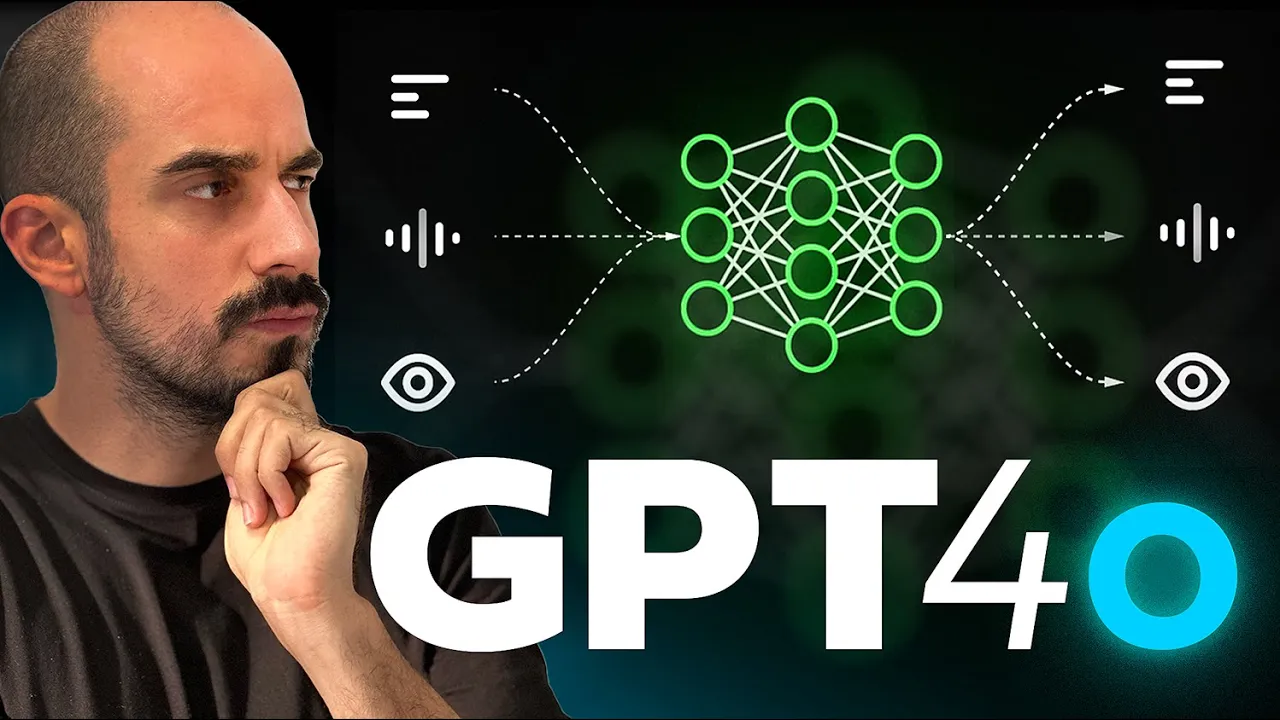
GPT4o - La Gran Apuesta de OpenAI por la MULTIMODALIDAD
New Section
The introduction of a new technology by Open Ai, GPT-4, is discussed, highlighting its capabilities and implications.
Introduction of GPT-4
- Open Ai introduces GPT-4, a new model known as gpt 4o de ovni, emphasizing its unique architecture and multimodal capabilities.
- The significance of GPT-4 lies in being faster, cheaper, and capable of processing text, audio, and image data efficiently.
- GPT-4 addresses issues faced by previous models by accepting audio input and generating audio output within the same model, reducing response times significantly.
Importance of Multimodal Capabilities
The discussion focuses on the enhanced capabilities of GPT-4 in analyzing audio data and its real-time applications.
Enhanced Audio Analysis
- GPT-4 demonstrates real-time analysis of audio interactions, showcasing the ability to identify speakers based on voice tones and engage in dynamic conversations.
- Previously requiring specific training for speaker identification tasks, GPT-4's general voice system automates this process effectively.
- The model's capacity to modulate speech patterns based on context enables diverse vocal expressions with varying emotions and tones.
Advancements in Audio Generation
Exploring the innovative features of GPT-4 related to audio generation and its implications for real-time applications.
Audio Generation Capabilities
- GPT-4 showcases advancements in generating various sounds realistically, expanding possibilities for audio modeling.
Detailed Analysis of GPT-4o Multimodal Model
The discussion delves into the revolutionary impact of GPT-4o as a multimodal model, highlighting its potential societal implications and unveiling some of its hidden capabilities.
Evolution from Unimodal to Multimodal
- GPT-4o is derived from "OVNI," representing OpenAI's approach to multimodality encompassing text, audio, and images for both input and output.
- Previous models like GPT-4v (images to text) and D3 (text to image) are now integrated into a single model, enhancing functionality exponentially.
Power of Multimodality
- The multimodal model can generate images based on ambient sounds or analyze voice tone for real-time sentiment analysis, valuable in customer service applications.
Implications and Innovations
- OpenAI's OVNI model showcases the joint probability analysis of images, audio, and text, demonstrating remarkable image generation capabilities.
Understanding the Architecture Behind GPT-4o
Exploring the architectural advancements enabling GPT-4o's multimodal functionalities and comparing it with previous unimodal models.
Architectural Enhancements
- Despite OpenAI's secrecy regarding architectural details, Meta introduces Chameleon as a potentially similar architecture to GPT-4o.
Author Regressive Model
- GPT-4o operates as an author regressive model across modalities by predicting future tokens based on preceding ones sequentially.
Comparison with Diffusion Models
Interweaving Text and Images for Multimodal Tasks
The discussion explores the integration of text and images in AI models to perform various tasks seamlessly.
Integrating Text and Images
- AI models can now generate paragraphs of text accompanied by new images, interwoven coherently within the text.
- Future capabilities may include AI generating sounds associated with specific objects, showcasing advancements in multimodal learning.
- Project Chameleon demonstrates converting images into tokens, modifying them based on textual instructions, and predicting subsequent image tokens to create modified images.
- Multimodal models like this can perform tasks without explicit training for each task, showcasing automatic learning abilities.
Advancements in AI Capabilities: Seeing, Hearing, Speaking
The conversation delves into the evolving capacities of AI models to perceive visual, auditory inputs and engage in verbal interactions.
Enhanced Sensory Abilities
- The upcoming months will witness significant impacts from AI's improved abilities to listen, speak, and see.
- OpenAI's model lacks video analysis but can understand videos as sequences of frames and audio data.
- Models like GPT 4o can recall previously seen frames within their expanded context window of 128000 tokens.
Future Applications of Advanced AI Models
Exploring potential applications enabled by advanced AI models with enhanced multimodal capabilities.
Novel Use Cases
- Interactions like asking an AI about observed objects demonstrate new possibilities for multimodal systems.
- OpenAI aims to develop assistants capable of visually understanding screen content to aid users effectively.
Implications of Real-time Multimodal Processing
Discussing the significance of real-time processing capabilities in advanced multimodal models.
Real-time Optimization
- Emphasis on real-time processing highlights OpenAI's achievement in optimizing a complex multimodal model efficiently.
Desarrollo de Modelos GPT por Open AI
In this section, the discussion revolves around the evolution of Open AI's GPT models and the potential future advancements in deep learning.
Evolution of GPT Models
- Open AI is exploring the scalability of new models beyond GPT-4, considering trade-offs between efficiency and cost.
- The demonstration showcases Open AI's commitment to multimodal capabilities, combining text prompts with video generation using various technologies like Sora for video, Voice Engine for voice cloning, and GPT-4 for content understanding.
Impressive Demo by Open AI
- A remarkable demo recreates the 1889 Universal Expo in Paris through a video generated by AI, followed by AI analyzing selected frames to narrate the video content accurately.
- The Voice Engine clones a presenter's voice to narrate text generated by GPT-4, showcasing multilingual capabilities and enhancing user experience.
Future Prospects of Multimodal Technology
- Open AI envisions a future where advanced multimodal systems like today's demo will become more accessible and affordable, revolutionizing data processing across various formats.
Turn any video into a summary like this
YouTube links, meetings, lectures. With transcripts, search, and chat.