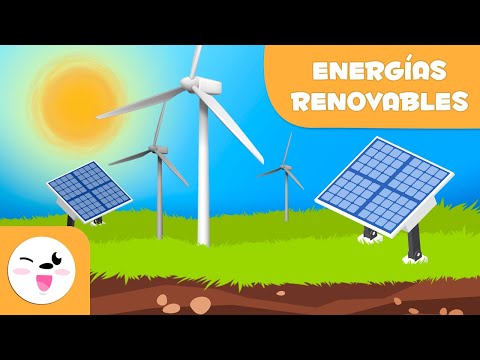
Las energías renovables - Tipos de energía para niños
Understanding Renewable Energy Sources
Introduction to Renewable Energy
- Renewable energy is derived from natural, inexhaustible sources such as the sun, wind, water, and geothermal heat.
- These energy sources are abundant in nature and regenerate naturally, making them sustainable over time.
Types of Renewable Energy
- Solar Energy: Captured from sunlight using solar panels to convert it into thermal energy for heating purposes.
- Wind Energy: Generated by wind turbines (aerogenerators) that transform wind movement into electrical energy.
- Tidal and Wave Energy: Harnessed from ocean waves and tidal movements to produce electricity.
- Hydropower: Produced by the gravitational force of falling or flowing water, typically through dams that convert kinetic energy into electricity.
- Geothermal Energy: Utilizes heat stored within the Earth for heating buildings or generating electricity.
Advantages of Renewable Energies
- Environmentally friendly as they do not emit CO2 or greenhouse gases during operation.
- Unlimited availability since they rely on natural resources that are continuously replenished.
- Healthier options as they do not generate toxic waste products harmful to humans.
Challenges Facing Renewable Energies
- Availability varies globally; some regions have less sunlight or wind than others, affecting solar and wind energy production.
- The irregularity of resource availability can hinder consistent energy generation due to unpredictable natural phenomena like rainfall.
Conclusion on Transitioning to Renewables