O que é criatividade - Prof. Ilíada de Castro
Introduction
The speaker introduces the topic of creativity, aiming to explore the creative potential within individuals, identify barriers to creativity, and provide techniques for enhancing creative thinking.
What is Creativity?
- Creativity involves finding new solutions for both new and existing problems.
- Creativity is often associated with historical figures like Leonardo da Vinci, Einstein, and Steve Jobs.
- Being creative means finding innovative solutions to various challenges.
Human vs. Bee Creativity
- Bees maintain traditional hive-building methods over time, unlike humans who constantly innovate.
- Humans possess inherent creativity that allows for diverse future possibilities in areas like technology and design.
Barriers to Creativity
The discussion shifts towards exploring common obstacles that hinder creativity and how individuals can overcome these barriers.
Identifying Blockers
- Recognizing personal limitations may impede creative thinking.
- Embracing relaxation can lead to sudden insights or "epiphanies."
- Encouraging a fresh perspective akin to an "estalo de Vieira" fosters creativity.
Fear of Failure
- Society's emphasis on perfection inhibits the acceptance of errors as valuable learning experiences.
- Examples like the invention of Post-it notes highlight how mistakes can lead to innovative solutions.
Seeking One Correct Answer
- Overreliance on finding a single correct solution limits creative exploration.
Desenvolvimento de Novas Ideias
In this section, the speaker discusses the process of generating new ideas and the importance of exploring multiple solutions rather than settling for a single answer.
Prioritizing Multiple Solutions
- Emphasizes the value of seeking multiple answers instead of just one.
- New ideas may not always follow a logical pattern but can lead to innovative solutions.
- Example of a company facing packaging issues and how brainstorming led to creative solutions.
Unconventional Thinking
- Illustrates how unconventional ideas can spark innovative solutions, such as hiring visually impaired individuals for packaging tasks.
- Highlights that seemingly absurd ideas can sometimes lead to significant breakthroughs.
Balance Between Logical and Creative Thinking
This part delves into the balance between logical, Cartesian thinking and creative, intuitive thinking in problem-solving processes.
Balancing Thinking Styles
- Encourages avoiding limiting oneself to a single answer and suggests exploring a range of alternatives.
- Discusses the importance of Cartesian thinking in decision-making but its hindrance in idea generation.
Utilizing Both Brain Hemispheres
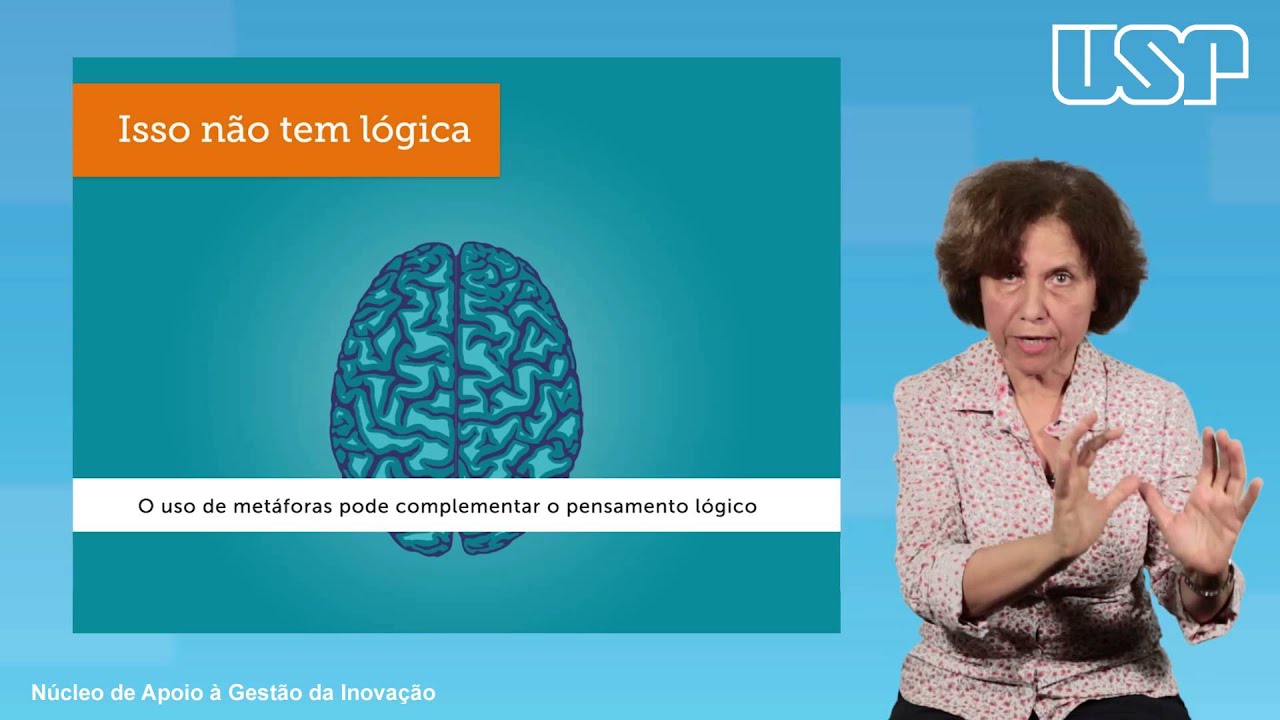
- Explains the distinct functions of the left (logical) and right (creative) brain hemispheres.
- Emphasizes the need to leverage both sides for optimal problem-solving outcomes.
Enhancing Logical Thinking with Metaphors
This segment focuses on using metaphors to enhance logical thinking processes and improve understanding in problem-solving contexts.
Leveraging Metaphors for Clarity
- Advocates for using metaphors to explain complex situations effectively.
- Demonstrates how analogies aid comprehension even if they are not entirely logical.
Nurturing Innovative Ideas
The speaker emphasizes the importance of allowing time for ideas to develop and mature before dismissing them prematurely.
Incubating Ideas
- Stresses that brilliant ideas require incubation and nurturing before reaching their full potential.
Creative Thinking Process
The speaker discusses the creative thinking process, emphasizing the role of intuition and logic in generating and selecting ideas.
Intuition vs. Logic
- Creativity involves tapping into the right side of the brain, which is intuitive and less conscious.
- Sometimes, answers come when one is relaxed, indicating signals from the right side of the brain.
Balancing Creativity and Logic
- Creative thinking involves not only generating new ideas but also selecting them based on criteria using logical reasoning.
- The creative process includes selecting the best idea and defending it for innovation within organizations.
Societal Impact on Creativity
- Individual creativity is influenced by societal openness to new ideas and willingness to embrace innovation.
- Organizations like Pixar provide environments that foster creativity among employees.
Fostering Creativity in Organizations
The discussion shifts towards examples of organizations fostering creativity among employees.
Examples of Creative Workspaces
- Companies like Ricardo Semler's organization prioritize creativity by encouraging employee input and unconventional ideas.
- Embracing strange ideas can lead to innovative solutions within companies.
Overcoming Specialization
- Specialization can limit creativity; individuals should seek diverse knowledge sources to broaden their perspectives.
The Creative Process: Exploration to Implementation
Exploring how individuals can navigate the creative process effectively from exploration to implementation.
Exploration Phase
- Being an explorer involves understanding existing solutions before generating new ideas.
- Seeking knowledge outside one's field can spark innovative solutions to problems.
Artistic Expression
- Transitioning from exploration to artistic brainstorming allows for diverse idea generation.
Selecting and Implementing Ideas
Discusses the importance of evaluating and championing selected ideas for successful implementation.
Judging Ideas
- Evaluating ideas logically helps in selecting the most viable ones for implementation.
Implementation Strategy
Creative Process and Idea Implementation
In this segment, the discussion revolves around overcoming creative blocks to enhance creativity. The importance of not only generating ideas but also implementing them within the creative process is emphasized.
Exploring Creativity and Implementation
- Creativity involves breaking through mental barriers that hinder innovative thinking.
- Suggestions are provided to help individuals overcome these creative obstacles effectively.