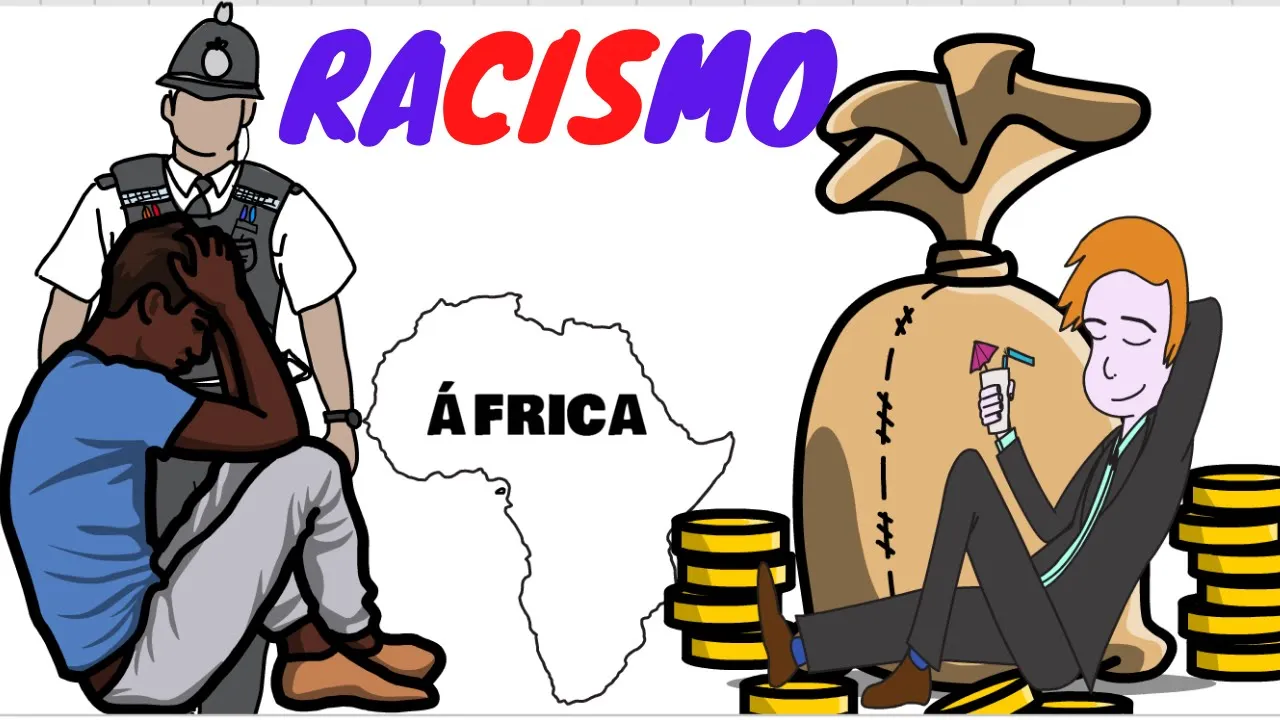
Racismo no Brasil/Animação
Understanding the Historical Context
The speaker delves into the historical background that has led to the current situation of racial inequality in Brazil, focusing on slavery and its aftermath.
Historical Roots of Racial Inequality
- Brazil enslaved over 4 million Africans, with slavery lasting around 300 years, making it the last country in the Americas to abolish slavery.
- Elite landowners enacted laws like the Land Law of 1850 to maintain control over land and prevent freed slaves and immigrants from owning land.
- The elite's fear of losing power led to laws that restricted opportunities for immigrants and freed slaves, perpetuating their subjugation.
Impact of Emancipation
This part discusses how post-emancipation laws and societal structures further marginalized Afro-Brazilians, limiting their access to resources and opportunities.
Post-Emancipation Challenges
- Laws like the Free Womb Law of 1871 and the Sexagenarians' Law failed to provide true freedom or support for freed individuals.
- Princess Isabel's Golden Law in 1888 emancipated slaves without proper compensation or support for their integration into society.
Aftermath of Emancipation
The aftermath of emancipation left many Afro-Brazilians struggling with limited resources, leading to social challenges and economic disparities.
Challenges Faced by Freed Individuals
- Lack of government support post-emancipation left many former slaves without homes or means of sustenance.
- Freed individuals resorted to menial jobs, begging, or criminal activities due to limited opportunities and discrimination in society.
Formation of Favelas
The formation of favelas due to housing challenges highlights ongoing racial inequalities stemming from historical injustices.
Urban Segregation and Housing Issues
- Government policies favored white immigrants over Afro-Brazilians, leading to housing segregation and limited job prospects for freed individuals.
- Forced out of central areas due to poor living conditions, Afro-Brazilians settled in favelas, perpetuating social marginalization.
Legacy of Racism
Racism continues as a pervasive issue in Brazilian society due to systemic inequalities rooted in historical injustices against Afro-Brazilians.
Persistent Racism