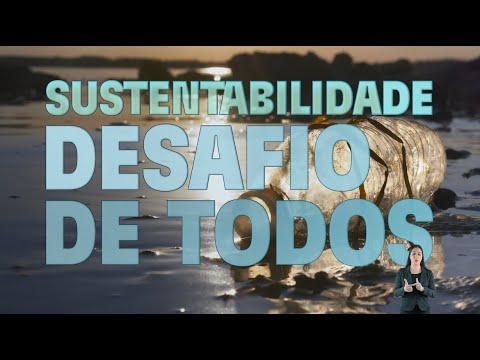
Documentário: Sustentabilidade, desafio de todos
Overview of Environmental Challenges
The transcript discusses global environmental challenges such as climate change, pollution, and water scarcity, emphasizing the need for sustainable practices to address these issues.
Global Environmental Challenges
- Urbanization in Brazil leads to increased demand for housing, schools, and infrastructure, raising concerns about sustainability and responsibility in urban growth.
- Lack of access to clean water affects 26% of the global population, highlighting the urgency of addressing water scarcity for current and future generations.
- Initiatives like the Tarifa Social program in Uberlândia ensure access to clean water for vulnerable populations, promoting health and dignity while supporting economic development.
- Proactive measures in Uberlândia, such as building advanced water treatment facilities like Capim Branco, demonstrate strategic planning to meet growing water demands sustainably.
- The Buriti Cidade project introduces innovative urban solutions like sponge cities to manage rainfall effectively amidst climate change challenges.
Sustainable Water Management
This section delves into sustainable water management practices implemented in Uberlândia to ensure reliable access to clean water while minimizing environmental impact.
Sustainable Water Treatment
- Capim Branco's advanced treatment facility integrates waste management within the water treatment process, reducing resource consumption and enhancing sustainability.
- Emphasizing the importance of preserving primary water sources like rivers alongside investing in treatment facilities for long-term water security.
- The Buriti program focuses on protecting and restoring natural springs and conservation areas crucial for maintaining adequate water supply.
Urban Resilience through Sustainable Infrastructure
Discusses how urban resilience is enhanced through sustainable infrastructure projects like the reconstruction of Lagoinha Dam within the concept of sponge cities.
Urban Resilience Strategies
- Lagoinha Dam's reconstruction aligns with sponge city principles by promoting gradual rainwater absorption, reducing flood risks while preserving natural ecosystems.
New Section
The discussion revolves around the management of sewage and sanitation in Uberlândia, highlighting the city's exemplary practices compared to the national scenario in Brazil.
Sewage Treatment and Environmental Impact
- Commercial activity treats sewage, returning clean water to rivers, benefiting the ecosystem.
- Uberlândia excels nationally in sanitation, ranking third overall and first in Minas Gerais.
- The city's top-notch sanitation leads to improved health outcomes and economic development.
- Significant investments in basic sanitation enhance water treatment capacity until 2060.
Waste Management Challenges
Addressing waste mismanagement issues impacting public health and environmental sustainability within communities.
Solid Waste Mismanagement
- Poor waste management causes air, water, and soil pollution with associated health risks.
- Inadequate waste disposal leads to pest infestation, visual pollution, and soil contamination.
- Uberlândia's continuous waste management efforts combat various environmental challenges effectively.
Sustainable Waste Solutions
Detailing Uberlândia's comprehensive waste management strategies for a cleaner and safer environment.
Comprehensive Waste Management
- Year-round services include street cleaning, hazardous waste collection, recycling initiatives, among others.
- The city generates substantial waste daily but manages it efficiently through designated processes.
Energy Generation from Waste
Exploring innovative methods of energy production from waste materials for sustainable practices.
Energy Production Innovation
- Complex waste processing converts gases into electricity efficiently.
- Methane gas transformation into energy significantly reduces greenhouse gas emissions.
Community Engagement and Education
Highlighting community involvement and educational programs promoting environmental awareness.
Environmental Awareness Programs
- Door-to-door selective collection enhances citizen participation in recycling efforts.
Environmental Education in Schools
The discussion revolves around the importance of incorporating environmental education into the curriculum of all municipal schools, emphasizing the need to instill eco-consciousness in children and adults beyond classroom settings.
Environmental Awareness and Education
- The "Escola Água Cidadã" program by DEMAE facilitates sustainable actions and awareness through guided tours, educational activities, lectures, cinema sessions, and workshops.
- Addressing the escalating challenges posed by growing populations, increasing waste production, and polluted rivers in urban areas requires a shift towards shared responsibility and recognizing the vital role of recyclable collectors.
Recycling Efforts and Impact
- Despite progress in recycling rates in Uberlândia at 6.7%, there is room for improvement compared to leading nations like Germany or Austria that recycle over half of their urban solid waste.
- In Uberlândia, over 92% of recyclables collected by collector associations are transformed into income sources, contributing significantly to environmental preservation and resource conservation.
Social and Environmental Benefits of Recycling
- Recycling not only reduces water consumption but also minimizes carbon dioxide emissions significantly while conserving natural resources such as trees, sand, and iron ore.
- The collection efforts by associations provide employment opportunities for individuals like Rosemary who have seen improved livelihoods through recycling initiatives.
Social Impact of Selective Collection
This segment delves into how selective collection positively impacts society by integrating collectors into the workforce, generating income opportunities while promoting environmental sustainability through material reuse.
Empowerment Through Selective Collection
- The primary benefit lies in social empowerment achieved by including collectors in the recycling process, offering them dignified work opportunities alongside environmental preservation efforts.
- Five associations and one cooperative handle over 330 tons of recyclables monthly in Uberlândia. This initiative has formalized jobs for 97 individuals who now earn fair wages above minimum standards.
Community Transformation Through Recycling
- By valuing the work of collectors within a structured system that ensures fair compensation based on production output, communities witness enhanced living standards while fostering a culture of sustainability.
Sustainability Challenges Ahead
Highlighting sustainability as a global challenge requiring collective action from governments, social organizations, and society at large. While commending Uberlândia's strides towards sustainability leadership, it acknowledges ongoing challenges demanding continuous commitment from all stakeholders.
Collective Responsibility for Sustainability