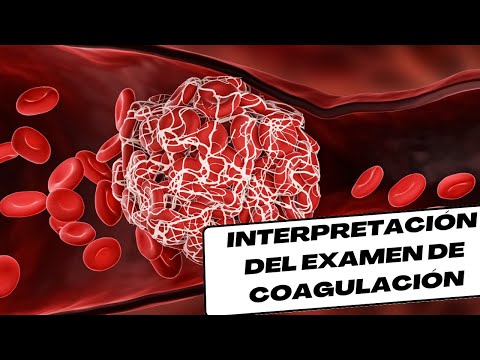
Interpretación de Pruebas de coagulación
Interpretation of Coagulation Tests
Overview of Coagulation Tests
- Coagulation tests are a group of studies essential for evaluating blood coagulation processes. They assess the function of the coagulation cascade and platelets, which play a crucial role in hemostasis.
Indications for Coagulation Testing
- Surgical Evaluation: Prior to surgery, coagulation tests are necessary to ensure that patients can manage bleeding effectively during and after procedures. This is critical when cutting through skin and tissues.
- Monitoring Anticoagulant Therapy: These tests help monitor patients on anticoagulants to prevent excessive bleeding while ensuring effective treatment for conditions like thrombosis or pulmonary embolism.
- Diagnosis of Coagulopathies: If a patient shows signs of impaired coagulation (e.g., hemophilia), these tests can identify specific deficiencies affecting clotting factors, guiding appropriate treatment.
- Liver Function Assessment: Since the liver produces most coagulation factors, testing is vital when assessing liver function as dysfunction may lead to altered coagulation profiles.
Physiological Process of Coagulation
- The physiological process involves four main steps:
- Vasospasm: Blood vessels constrict to reduce blood flow at injury sites.
- Platelet Activation: Activated platelets initiate hemostatic processes.
- Clot Formation: Involves various clotting proteins in the cascade leading to fibrin formation.
- Clot Control and Lysis: Clots retract to minimize size, followed by dissolution (thrombolysis) once healing occurs.
The Coagulation Cascade
- The cascade includes both extrinsic and intrinsic pathways:
- The extrinsic pathway is rapid and triggered by tissue factor secretion leading to activation of factor X.
- The intrinsic pathway activates through exposed collagen from damaged endothelium, also converging on factor X activation.
- Anticoagulant proteins (e.g., Protein C, Protein S) regulate this process by preventing uncontrolled clotting activity within the bloodstream.
Coagulation: Mechanisms and Tests
Overview of Coagulation Factors
- Coagulation originates in the liver, producing key proteins such as fibrinogen and prothrombin, which are essential for blood clotting.
- Vitamin K is crucial for the function of several coagulation factors; it must be obtained from diet or produced by gut bacteria, which newborns lack until colonization occurs.
Importance of Vitamin K
- Newborns receive vitamin K injections to prevent coagulation issues due to their underdeveloped gut flora.
- Several anticoagulant proteins, including antithrombin III and heparin (produced by mast cells), also depend on vitamin K for proper function.
Prothrombin Time (PT) Test
- The PT test evaluates the extrinsic pathway of coagulation, primarily assessing factor VII's functionality.
- Normal PT duration ranges from 12 to 13 seconds; variations can occur based on reagents used in testing.
International Normalized Ratio (INR)
- The INR standardizes PT results across different laboratories to ensure consistency in anticoagulated patients' monitoring.
- A normal INR range is between 0.8 and 1.2; higher values indicate increased bleeding risk due to anticoagulants like warfarin or heparin.
Clinical Implications of INR
- Therapeutic INR levels vary depending on clinical indications; typically between 2.0 and 3.0 for non-severe conditions.
- Conditions like liver disease can impair protein production necessary for coagulation, affecting both PT and INR results.
Disseminated Intravascular Coagulation (DIC)
- DIC can arise from septic shock or sepsis, leading to widespread clotting that depletes coagulation factors, complicating future clot formation.
- Pregnancy-related complications may also trigger DIC due to hormonal changes affecting coagulation pathways.
Impact of Vitamin K Deficiency
- Deficiencies in vitamin K can lead to impaired synthesis of dependent proteins, similar effects as those seen with warfarin use.
Coagulation Factors and Their Clinical Implications
Overview of Coagulation Pathways
- The intrinsic pathway and common pathway are crucial for coagulation, with factor VIII being a key player in platelet aggregation.
- Factor IX and XI take approximately 12 to 13 seconds to affect the extrinsic pathway and part of the common pathway, highlighting their role in specific diseases like hemophilia.
Genetic Disorders Affecting Coagulation
- Hemophilia is primarily a genetic disorder characterized by a deficiency in factor VIII, leading to severe bleeding issues.
- Other genetic conditions include deficiencies in factors IX (hemophilia B) and XI (hemophilia C), which complicate diagnosis due to overlapping symptoms.
Vitamin K Deficiency and Anticoagulants
- Vitamin K deficiency significantly impacts the production of several coagulation factors, while warfarin can exacerbate this issue by reducing anticoagulant proteins.
- Initial administration of warfarin may lead to a hypercoagulable state before achieving its intended anticoagulant effect after one or two days.
Thrombin Time Assessment
- Thrombin time measures how long it takes for fibrinogen to convert into fibrin, typically taking 10 to 15 seconds; delays indicate potential liver dysfunction or disseminated intravascular coagulation (DIC).
- Abnormal thrombin time results can signal issues with fibrinogen synthesis or consumption due to various medical conditions.
Historical Context of Coagulation Tests
- The traditional bleeding time test is less commonly used today due to its complexity but evaluates vasospasm and platelet function through controlled skin incisions.
- Normal cessation of bleeding from such incisions should occur within 7 to 9 minutes, indicating effective hemostatic function.
Modern Platelet Function Testing
- Newer methods have replaced older tests like bleeding time; however, understanding these historical tests remains important for context.
- Antiaggregants like aspirin and clopidogrel impact platelet function significantly, emphasizing the need for careful monitoring in patients with thrombocytopenia.
Understanding Coagulation Disorders
Prolonged Bleeding Time and Factor Deficiencies
- Prolonged bleeding time can result from deficiencies in specific factors, leading to ineffective platelets. The onset of endothelial damage is often unnoticed.
- Vitamin K deficiency or warfarin treatment affects coagulation by inhibiting vitamin K-dependent factors, impacting both pro-coagulants and anticoagulants.
- In patients on warfarin, the extrinsic pathway (TP) is prolonged while intrinsic pathway measurements remain normal; bleeding time remains unaffected as it does not rely on vitamin K.
Hemophilia and Its Implications
- In classic hemophilia (factor VIII deficiency), TP remains normal while intrinsic pathway tests are prolonged. Bleeding time stays normal, indicating a specific factor issue.
- Management of hemophilia involves factor replacement therapy based on severity; complications arise when patients develop antibodies against exogenous factors due to lack of tolerance.
von Willebrand Disease and Complications
- von Willebrand disease primarily alters bleeding time while other coagulation tests may remain normal. Diagnosis can be challenging due to its complexity.
Disseminated Intravascular Coagulation (DIC)
- DIC during sepsis leads to increased TP and bleeding times due to consumption of coagulation factors; platelet function may also be impaired under these conditions.
- Patients with DIC require careful management as they face challenges with both thrombus formation and depletion of clotting factors.
Liver Failure Effects on Coagulation
- Severe liver failure disrupts multiple aspects of coagulation, affecting both pro-coagulant levels and anticoagulants, typically resulting in a normal bleeding time despite significant alterations in other parameters.
Conclusion and Acknowledgments
- Understanding coagulation tests is crucial for pre-surgical assessments and monitoring anticoagulated patients; these tests are relatively straightforward but essential for patient care.
- Special thanks were given to supporters who contribute financially, enabling the creation of quality educational content related to this topic.