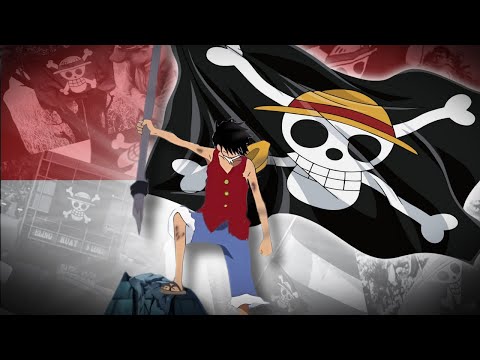
How the One Piece Flag Became a Symbol of Treason in Indonesia
The Impact of One Piece in Indonesia
The Rise of the Straw Hat Flag as a Symbol of Protest
- The concept of being "king of the pirates" is framed as a pursuit of freedom, contrasting with the current political climate in Indonesia.
- One Piece has become a cultural phenomenon since its 1997 debut, significantly influencing global anime and manga culture, particularly in Indonesia.
- The popularity of One Piece is highlighted by the success of "One Piece Film Red," which became the highest-grossing anime film in Indonesia.
- As Indonesia approaches its 80th Independence Day on August 17th, citizens are expressing discontent with government decisions by flying the Straw Hat flag instead of the national flag.
- This act has sparked controversy, leading to comparisons between Indonesian politicians and One Piece villains, indicating a deepening political discourse.
Government Response to Rising Dissent
- Some Indonesian politicians support flying the Straw Hat flag as a peaceful form of protest rather than resorting to violence.
- Conversely, other officials view this trend as an attempt to undermine national unity and have labeled it treasonous behavior.
- The Indonesian Minister for Human Rights has proposed banning the Straw Hat flag during Independence Day celebrations, citing international law compliance.
- Critics argue that such actions reflect an authoritarian approach rather than addressing citizens' grievances through dialogue and understanding.
- Legal experts note that while there are restrictions on flags representing real entities, fictional flags like those from One Piece do not fall under these prohibitions.
Cultural Significance and Ongoing Trends
- Despite governmental pushback, many Indonesians continue to rally around the Straw Hat flag as a unifying symbol against perceived injustices.
- Historical context suggests that previous attempts at suppressing similar expressions have not been entirely successful or legal under Indonesian law.
- The ongoing discourse surrounding this issue highlights broader themes about freedom of expression and civic engagement within democratic societies.
- Observers express disbelief over government focus on an anime flag instead of addressing substantive issues affecting citizens’ lives.
The Global Impact of One Piece
Protests and Cultural Influence
- Recent global protests highlight significant issues, including the Palestinian conflict and political unrest in Turkey, showcasing how cultural phenomena like One Piece resonate with real-world events.
- The speaker emphasizes the immense growth of One Piece, comparing its influence to that of Superman, a character with nearly 90 years of history and 600 million comics sold.
Sales Comparison: One Piece vs. Superman
- Despite being introduced in 1997, One Piece has sold over 550 million copies, nearing Superman's sales figures in a fraction of the time.
- This rapid success positions One Piece on track to become the best-selling comic book ever, primarily driven by creator Eiichiro Oda's vision.
Oda's Unique Position in Literature
- Oda is recognized as the most successful Japanese author and ranks among the top ten fiction authors globally due to his singular creative input into One Piece.
Celebrity Endorsements and Cultural Reach
- Notable figures such as Emmanuel Macron and Muhammad bin Salman are fans of One Piece, illustrating its widespread appeal across different cultures and demographics.
- Macron received a signed piece of art from Oda, while bin Salman met him during a visit to Japan, further emphasizing the series' international impact.
Themes of Freedom and Relatability
- Initially a simple pirate story inspired by childhood interests, One Piece has evolved into a narrative about seeking freedom against oppressive forces.
- The universal theme of freedom resonates with audiences worldwide; it reflects shared human desires for autonomy and self-determination.
Art as Emotion: Beyond Entertainment
- The connection between anime like One Piece and real-world movements highlights how art can inspire action; it's not merely entertainment but an emotional catalyst.
- Critics may dismiss anime's role in serious matters; however, the speaker argues that art serves to evoke emotions that can lead to personal or societal change.
Conclusion: The Power of Storytelling
- The speaker asserts that stories like those found in One Piece have profound effects on individuals' lives—shaping aspirations and encouraging resilience against adversity.