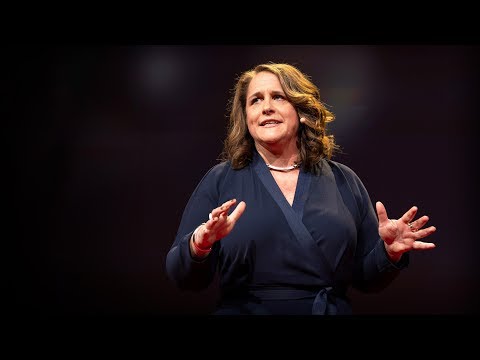
How you can help transform the internet into a place of trust | Claire Wardle
Understanding the Spread of Misinformation
The Nature of Zombie Rumors
- Many people have relatives who share dubious emails and conspiracy theories, often leading to frustration.
- An example is a viral image warning against eating certain fruits, claiming they are contaminated with HIV; this rumor persists despite being debunked.
- Such rumors exploit deep-seated fears about safety for oneself and loved ones, making them particularly resilient.
The Challenge of Misinformation
- Daily misinformation includes anti-vaccine memes and climate change denial videos that target emotional vulnerabilities.
- A central challenge is balancing freedom of expression with preventing harmful content from undermining democracy and well-being.
- The rise of social media has blurred the lines between trustworthy information and dangerous misinformation.
Misleading Content vs. Fake News
- The term "fake news" is often misused, conflating various types of misleading content like lies, hoaxes, and propaganda.
- Professional journalism is crucial now more than ever to combat misinformation effectively.
Contextual Weaponization of Information
- Effective disinformation often contains elements of truth; an example involves a widely circulated image post-terrorist attack in London that was framed Islamophobically.
- Decisions on moderating such content are complex; removing uncomfortable speech can lead to censorship issues.
Emotional Engagement with Information
- People's relationship with information is primarily emotional rather than rational; fear-driven narratives gain traction due to algorithmic biases favoring emotional engagement.
Understanding the Challenges of Moderating Online Speech
The Complexity of Information Moderation
- Effective moderation of speech across diverse languages and cultural contexts is a significant challenge, with current mechanisms being inadequate.
- Mass media and elected officials also contribute to the spread of misinformation, highlighting that responsibility extends beyond tech companies.
- While platforms like Google and Facebook are attempting to address these issues, there is skepticism about their role as arbiters of truth due to self-reporting practices.
- Changes in platform policies often occur only after investigative journalism reveals biases or violations, indicating a reactive rather than proactive approach.
- Global regulation is seen as essential for improving the information ecosystem; however, lawmakers struggle with rapid technological advancements and lack access to necessary data.
The Role of Users in Information Quality
- A call for user involvement emphasizes that everyday technology users can help design better infrastructures for quality information.
- Drawing inspiration from Wikipedia's model could lead to a collaborative platform where users contribute insights on content moderation decisions.
- Underrepresented groups have valuable experiences regarding hate and disinformation; their voices must be amplified in discussions about online safety.
Proposals for Improvement
- Creating a "Wikipedia for trust" could allow users to provide feedback on difficult content moderation choices made by platforms.
- Developing a centralized repository for anonymized social data could enhance understanding of how hate and disinformation affect global attitudes and behaviors.
Collaborative Efforts Across Sectors
- No single sector can solve the challenges posed by misinformation; collaboration among newsrooms, civil society, academia, and activist groups is crucial.
- Various initiatives are underway globally—fact-checking efforts, credibility indicators—but they often operate in isolation without sufficient funding or coordination.
- Innovative projects like First Draft aim to foster collaboration among competitive newsrooms while new systems like The Underlay seek to improve fact verification processes.
Building Coordinated Responses
- There’s potential in gathering experts from different fields together physically to tackle misinformation collaboratively over extended periods.
Turn any video into a summary like this
YouTube links, meetings, lectures. With transcripts, search, and chat.