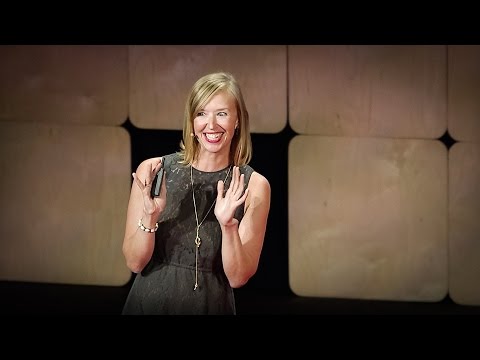
Falling in love is the easy part | Mandy Len Catron
To Fall in Love With Anyone, Do This
Overview of the Article and Study
- The speaker discusses their article published in the New York Times Modern Love column titled "To Fall in Love With Anyone, Do This," which explores a psychological study aimed at creating romantic love.
- The study involves two strangers asking each other 36 increasingly personal questions followed by four minutes of silent eye contact. Sample questions include personal reflections and emotional experiences.
Personal Experience with the Study
- Initially skeptical about the effectiveness of the study, the speaker decided to try it with someone they knew but were not close to, leading to unexpected romantic feelings.
- After sharing their experience in an article, they faced public curiosity regarding their relationship status, prompting repeated inquiries about whether they were still together.
Public Reaction and Media Attention
- The speaker felt overwhelmed by attention after the article's publication; traffic on their blog surged dramatically, and major media outlets reached out for interviews.
- They expressed surprise at how many people were invested in their relationship story, highlighting a disconnect between personal experiences and public interest.
Protecting Personal Relationships
- In response to media attention, the speaker became protective of their relationship and declined requests for joint appearances or photos.
- They reflected on societal expectations surrounding relationships formed through such studies and questioned what knowing if they remained together would truly signify.
Insights from Dr. Arthur Aron's Research
- The original intent behind Dr. Arthur Aron's research was not solely to create romantic love but to foster interpersonal closeness through self-disclosure techniques.
- Despite initial skepticism about long-term outcomes from such interactions, subsequent studies have shown that similar methods can effectively build trust and intimacy across various contexts.
Conclusion on Relationship Dynamics
- The speaker emphasizes that while some participants may develop lasting connections from these exercises, individual outcomes vary significantly based on context and personal dynamics.
Understanding Love Through Science and Personal Experience
The Initial Experiment with Love
- A participant expressed disappointment after trying a study designed to foster romantic love, stating it didn't work as expected.
- The conversation revealed that while the participant did not fall in love, they felt they became better friends, suggesting the study had some positive impact.
Personal Journey into the Science of Love
- The speaker began exploring the science of romantic love at age 29 during a difficult breakup, seeking understanding and solace.
- This research was initially aimed at writing a book but also served as a coping mechanism to avoid heartache.
Insights Gained from Research
- Knowledge about love has made the speaker more patient, relaxed, and confident in expressing desires within relationships. However, it also highlighted unrealistic expectations for guarantees in love.
- The media's portrayal of the 36 questions suggests an oversimplified shortcut to falling in love, which can be appealing yet misleading due to the inherent risks involved in emotional vulnerability.
Deeper Questions About Love
- Instead of accepting simple answers like "Are you still together?", deeper inquiries are proposed:
- How do we choose who deserves our love?
- How do we maintain love through challenges?
- How do we cope with doubts?
These questions aim to foster more meaningful discussions about relationships.
Reflections on Falling vs. Staying in Love
- The speaker shares their relationship story stemming from participating in a study that led them to fall in love; however, they emphasize that falling is easier than staying committed over time.
Turn any video into a summary like this
YouTube links, meetings, lectures. With transcripts, search, and chat.