Admistración propedeutico segunda parte
Introduction to Chapter 2: The Company and Its Environment
Overview of the Course
- Cristina Nieto welcomes students to the leveling course, expressing her pleasure in being with them again. She introduces the focus on Chapter 2 of the guide concerning "The Company and Its Environment."
Internal and External Environments
- The company is composed of two environments: internal and external. An analogy is made comparing these environments to the human body, which is affected by various external factors like weather or accidents.
Breakdown of Environments
- The external environment is divided into:
- Macro Environment: Factors outside the organization that influence it indirectly.
- Micro Environment: Factors closely related to the organization that affect it directly.
Understanding Internal Resources
Components of Internal Environment
- The internal environment consists of resources such as:
- Human talent
- Financial resources
- Technological assets
- Infrastructure
- Production processes
- Marketing systems
These elements contribute significantly to how a company operates.
External Factors Affecting Organizations
Microenvironment Elements
- Key components include:
- Competitors: Other companies offering similar products.
- Customers: Individuals purchasing products or services.
- Regulatory Agencies: Entities overseeing economic activities (e.g., banking supervision).
- Intermediaries: Those who buy from companies and sell elsewhere.
- Suppliers: Providers of raw materials or services necessary for production.
Macroenvironment Influences
- This includes broader factors such as:
- Political and legal conditions at state levels.
- Technological advancements impacting operations.
- Economic conditions affecting market dynamics.
- Cultural/social aspects influencing consumer behavior.
- Demographic trends shaping market opportunities.
Situational Diagnosis in Business
Identifying Strengths and Weaknesses
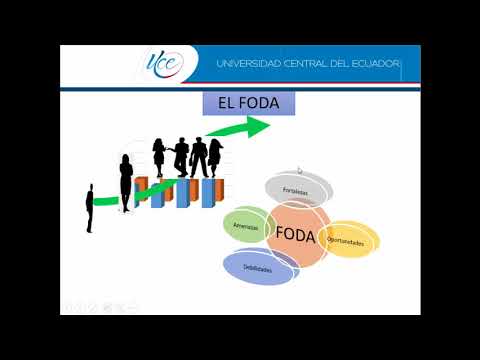
- A situational diagnosis helps identify both internal strengths (positive attributes) and weaknesses (negative attributes) within an organization, akin to assessing one's health in relation to environmental factors. Strengths are controllable, while weaknesses can be improved over time.
Definitions Clarified
- Strengths: Unique capabilities allowing competitive advantage; include resources, skills, and positive operational activities.
- Weaknesses: Factors leading to unfavorable positions against competitors; may involve lack of resources or ineffective practices. Both are manageable by the organization itself.
Opportunities and Threats Analysis
External Opportunities and Threat Management
- Opportunities are favorable external factors that can provide competitive advantages if leveraged effectively; they arise from outside influences on the business environment.
- Threats represent potential risks from external sources that could jeopardize organizational stability; organizations must find ways to neutralize these threats without direct control over them. Understanding this distinction is crucial for strategic planning in business contexts.
Understanding the Digital Diagram Process
Introduction to the Digital Diagram
- The speaker introduces the concept of a digital diagram, emphasizing its role in problem-solving. It begins with identifying a central issue that needs addressing.
Identifying Problems and Causes
- The central problem discussed is the low market positioning of a company. This serves as the foundation for further analysis.
- One identified cause is inconsistency in sales projections, which leads to difficulties in meeting sales quotas. Without reliable projections, achieving targets becomes challenging.
- Another cause mentioned is deficiencies in training and technical updates for sales staff, resulting in weakened customer service culture.
Constructing the Diagram
- The speaker outlines how to build the diagram step-by-step, starting with listing activities related to addressing the identified problems.
- An example activity provided is conducting a company diagnosis, highlighting that responsibilities may not fall on an individual but rather on entire departments (e.g., finance).
Gantt Chart Overview
- A Gantt chart is introduced as a flexible tool for project management. It can represent timelines ranging from days to years based on project requirements and milestones.