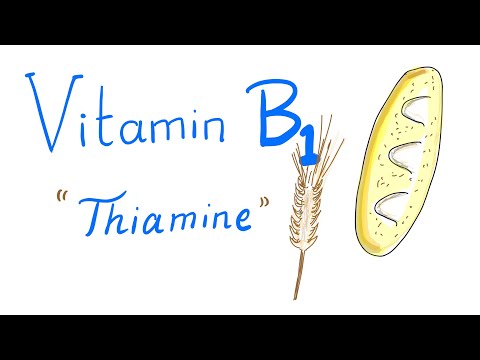
Vitamin B1 (Thiamine) - Whole grain 🥖 🌾 - Diet and Nutrition Playlist
Introduction to Vitamin B1 (Thiamine)
Overview of Vitamins
- The term "vitamins" originates from "vital amines," although this is a misnomer as they are not all amines. They are essential organic molecules that the body cannot synthesize, necessitating dietary intake.
- Water-soluble vitamins include B and C, while fat-soluble vitamins include A, D, E, and K. This video focuses on vitamin B1 (thiamine).
Functions and Sources of Vitamin B1
- Thiamine is crucial for energy metabolism and is involved in the synthesis of nucleotides; it should not be confused with thymine, a component of DNA.
- Key sources of thiamine include liver, eggs, whole grains (not refined), brewer's yeast, meats, and nuts. Refined grains like white rice lack sufficient thiamine.
Consequences of Thiamine Deficiency
Historical Context
- A significant cause of vitamin B1 deficiency globally is the consumption of white rice. An example includes sailors in the Imperial Japanese Navy who suffered from beriberi due to poor diets lacking thiamine-rich foods.
Types of Beriberi
- There are two types: dry beriberi (neuropathy) and wet beriberi (dilated cardiomyopathy). Both conditions highlight the importance of adequate thiamine intake for nerve function and heart health.
Dietary Considerations for Thiamine Intake
Enrichment Practices
- In the U.S., flour is often enriched with vitamin B1 to combat deficiencies caused by refined grain consumption. This practice helps maintain adequate levels in populations consuming primarily white bread.
Cost vs. Nutritional Value
- The speaker emphasizes cost-effectiveness in purchasing food items rich in nutrients rather than opting for expensive alternatives that offer no additional benefits.
Biochemical Role of Thiamine
Coenzyme Functionality
- Thiamine exists as thiamine monophosphate or diphosphate; however, only thiamine diphosphate serves as an important cofactor for numerous enzymes involved in energy production.
Mechanism Involvement
- It plays a critical role in dehydrogenation processes within metabolic pathways by facilitating decarboxylation reactions necessary for ATP production—essentially acting as a catalyst for energy generation within cells.
Metabolic Pathways and Energy Production
Role of Dehydrogenases in Metabolism
- The first enzyme discussed is pyruvate dehydrogenase, which requires thiamine (vitamin B1) as a cofactor for its function.
- Branched-chain alpha-keto acid dehydrogenase also depends on vitamin B1, highlighting the importance of this vitamin in various metabolic pathways.
- Pyruvate can be converted into acetyl-CoA or enter the Krebs cycle to produce ATP, emphasizing its role in energy metabolism.
Glycolysis and Its Outcomes
- Glycolysis breaks down carbohydrates into glucose, which is then converted to pyruvate; this process is crucial for energy production.
- In the absence of oxygen, anaerobic glycolysis occurs, producing lactate and potentially leading to lactic acidosis, which affects brain function negatively.
Alternative Pathways for Pyruvate
- Pyruvate has multiple fates: it can become acetyl-CoA for the Krebs cycle or participate in gluconeogenesis to create glucose from non-carbohydrate sources like lipids and proteins.
- The term "gluconeogenesis" refers to creating new glucose from alternative substrates, showcasing metabolic flexibility.
Importance of Coenzymes in Metabolic Reactions
- Acetyl-CoA formation involves several cofactors including thiamine (B1), riboflavin (B2), niacin (B3), lipoic acid, and pantothenic acid (B5).
- A mnemonic device ("TFLN") helps remember these essential cofactors: T for Thiamine, F for FAD, L for Lipoic Acid, N for NAD.
Energy Yield from Different Nutrients
- Different macronutrients yield varying amounts of energy: proteins and carbohydrates provide 4 calories per gram while fats provide 9 calories per gram. Alcohol yields 7 calories per gram.
- The conversion processes are summarized: carbohydrates lead to glucose and subsequently pyruvate; proteins convert amino acids into acetyl-CoA; lipids yield free fatty acids that also enter the Krebs cycle.
Metabolic Pathways and Enzymatic Functions
Carbohydrate Metabolism
- Carbohydrates are converted into glucose, which is then transformed into pyruvate by the enzyme pyruvate dehydrogenase, leading to the formation of acetyl CoA.
- Proteins can also contribute amino acids that convert into acetyl CoA or branched-chain alpha-keto acids through specific enzymatic pathways.
- The distinction between decarboxylases and dehydrogenases is highlighted; decarboxylases remove CO2 while dehydrogenases add coenzyme A.
Lipid Metabolism
- Free fatty acids and ketones are processed to form acetyl CoA, which enters the TCA cycle to produce ATP, a crucial energy currency for cellular functions.
Importance of Cofactors in Enzyme Function
- Pyruvate dehydrogenase requires five essential cofactors including thiamine (vitamin B1), FAD, NAD+, lipoic acid, and coenzyme A for its activity.
- The hexose monophosphate shunt is briefly mentioned as an alternative pathway for glucose metabolism involving transaldolase and transketolase enzymes.
Clinical Implications of Deficiencies
- Thiamine deficiency can lead to significant metabolic issues such as lactic acidosis due to impaired conversion of pyruvate to acetyl CoA.
- Conditions like high anion gap metabolic acidosis may arise from deficiencies in key enzymes like pyruvate dehydrogenase.
Neurological Disorders Related to Metabolic Dysfunction
- Decreased levels of alpha-ketoglutarate dehydrogenase have been associated with neurodegenerative diseases such as Alzheimer's and Parkinson's disease.
- Maple syrup urine disease results from deficiencies in branched-chain alpha-keto acid dehydrogenase, illustrating the clinical significance of these metabolic pathways.
Vitamin B1 Deficiency Consequences
- Vitamin B1 (thiamine) deficiency can be assessed through red blood cell transketolase activity; conditions like Wernicke-Korsakoff syndrome may result from this deficiency.
- Symptoms of thiamine deficiency include neurological issues and heart problems categorized as wet or dry beriberi.
Electrolytes Course Promotion
Course Details and Promotion
- The speaker promotes an electrolytes course available on their website, emphasizing its benefits for potential students.
- A special promo code "electrolyte 60" is offered, providing a 60% discount on the order.
- This promotion is limited to only 20 students, creating a sense of urgency for interested participants.
- The speaker encourages viewers to subscribe to their channel and join their community ("tribe") for ongoing updates and content.
- Viewers are invited to follow the speaker on various social media platforms for additional engagement.