Genome Editing with CRISPR-Cas9
New Section
This section provides an introduction to the importance of genes and DNA sequencing in understanding our genetic makeup and the potential for gene editing using the CRISPR method.
Introduction to Genes and DNA Sequencing
- Every cell in our body contains a copy of our genome, which consists of over 20,000 genes and 3 billion letters of DNA.
- Genes shape who we are as individuals and as a species, and they also have profound effects on health.
- Advances in DNA sequencing have allowed researchers to identify thousands of genes that affect our risk of disease.
The CRISPR Method for Gene Editing
- The CRISPR method is based on a natural system used by bacteria to protect themselves from viral infection.
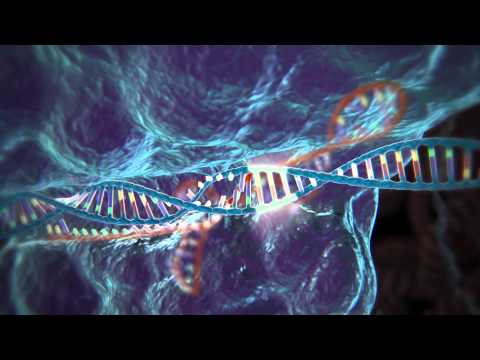
- Bacteria produce short RNA molecules when they detect viral DNA, which form a complex with a protein called Cas9. Cas9 is capable of cutting DNA.
- Researchers realized that this system could be engineered to cut any DNA sequence at a chosen location by changing the guide RNA to match the target. This can be done within living cells.
- Once inside the nucleus of a cell, the Cas9 complex locks onto a specific sequence known as PAM and cuts the DNA if it matches with its target RNA. The cell then tries to repair the cut, leading to mutations that can disable or modify genes for better understanding their function.
- In some cases, researchers need more precise modifications, such as replacing a mutant gene with a healthy copy. This can be achieved by adding another piece of DNA that carries the desired sequence, which pairs up with the cut ends and replaces the original sequence.
- The CRISPR system can be used in cultured cells and fertilized eggs, allowing for targeted mutations and the creation of transgenic animals. It also has the advantage of being able to target multiple genes simultaneously.
- The CRISPR method has numerous applications in basic research, drug development, agriculture, and potentially treating human patients in the future.