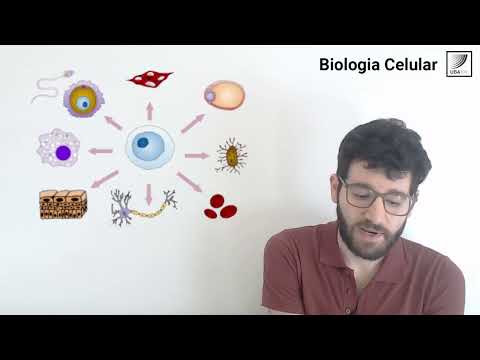
79. Biología Celular: Diferenciación celular: Definición y principales mecanismos
Introduction to Cellular Differentiation
Overview of the Tutorial
- The tutorial is part of the UA21 program for health sciences, led by Tomás, focusing on cellular differentiation.
- The session is structured into four blocks: definition and mechanisms, embryogenesis, classification of cells based on differentiation level, and a practical exercise.
Understanding Cellular Differentiation
- Cellular differentiation is defined as the process through which a cell reaches its final mature state while specializing in morphology and functions distinct from other cell types.
- It’s crucial to connect new concepts with previously learned material about transcription and translation involving DNA and RNA.
Genetic Information and Cell Types
Genetic Consistency Across Cells
- All cells in an organism contain identical genetic information; however, they can differentiate into various cell types like neurons, muscle cells, etc.
- This diversity arises from differential gene expression where specific genes are activated at precise times and locations during development.
Example of Gene Expression
- For instance, pancreatic beta cells express insulin for glucose regulation while epithelial cells produce keratin for skin protection.
Mechanisms Underlying Gene Expression
Control of Transcription
- Key mechanisms controlling gene expression include chromatin packaging, transcription factors presence, and cytosine methylation.
Importance of Early Development Stages
- A significant aspect of cellular differentiation occurs post-fertilization during early cell divisions.
Summary of Key Concepts
Recap on Differentiation Process