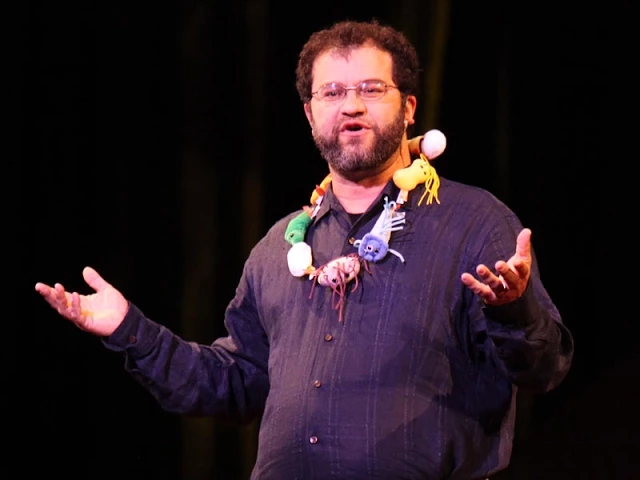
Jonathan Eisen: Meet your microbes
Understanding the Microbial Ecosystem and Its Impact on Health
Personal Journey to Understanding Diabetes
- The speaker shares a personal story about becoming a type 1 diabetic at age 15, experiencing severe symptoms that led to hospitalization.
- After recovery through modern medicine, the speaker reflects on the underlying causes of diabetes, initially believing it was linked to pathogen exposure.
- The focus in medicine has largely been on harmful microbes, neglecting the beneficial microorganisms that coexist with humans.
The Microbial Cloud: A Hidden Ecosystem
- Most microbes discussed in popular culture are pathogens; however, humans are surrounded by a diverse array of beneficial microbes.
- Research indicates that microbial cells outnumber human cells by tenfold, forming an extensive ecosystem within and on our bodies.
- DNA sequencing technology is crucial for understanding these microorganisms beyond what can be observed under a microscope.
Implications of Microbial Diversity on Health
- The human microbiome consists of thousands of different microbial species and millions of genes, contributing to individual health variations.
- Recent studies suggest that miscommunication with these microbes may trigger autoimmune responses leading to conditions like type 1 diabetes.
Case Study: Ileal Transplants and Microbial Communities
- A collaboration began with Georgetown Medical School focusing on ileal transplants and their associated microbial communities post-surgery.
- Initially, donor ilea were sterilized before transplantation—a common but flawed practice—leading researchers to reconsider this approach for better outcomes.
Advancements in Microbiome Research
- The shift towards preserving some microbial communities during transplants could enhance patient recovery and health outcomes.
Microbial Communities and Their Impact on Health
The Role of Microbes in Development
- Microbes from the mother play a crucial role in infant health, particularly regarding cesarean sections which may lead to mis-colonization.
- The microbial community contributes significantly to immune system development, pathogen defense, metabolism regulation, and even influences behavior.
Germophobia and Its Consequences
- Societal obsession with cleanliness has led to excessive use of antibiotics in homes and food production.
- While killing pathogens is beneficial when sick, overuse of antibiotics can disrupt the essential microbial community, leading to obesity and autoimmune diseases.
Restoring the Microbial Community
- Probiotics are one method suggested for restoring microbial balance; they have shown effectiveness in certain cases.
- Research at UC Davis explores probiotics as a potential treatment for necrotizing enterocolitis in premature infants.
Innovative Approaches: Fecal Transplants
- Traditional methods like "poo tea" used by veterinarians highlight alternative ways to restore gut health through healthy animal feces.
- Fecal transplants deliver a diverse range of microbes from healthy donors directly into patients' systems, proving effective against persistent infections like Clostridium difficile.
Understanding Our Microbial Organ
- The microbial community should be viewed as an organ that requires careful management; disruptions can have significant health implications.
Turn any video into a summary like this
YouTube links, meetings, lectures. With transcripts, search, and chat.