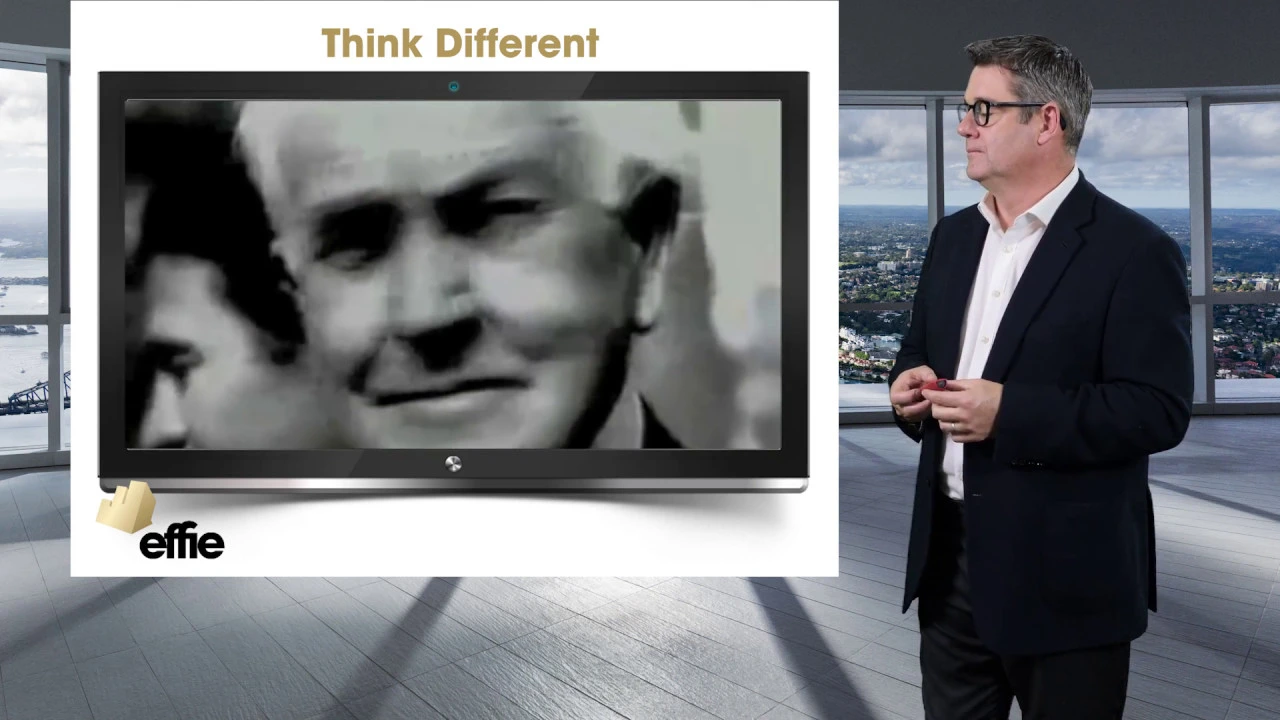
Mark Ritson on the power of Apple's brand positioning
The Evolution of Apple: From Crisis to Iconic Brand
Apple's Troubled State in 1997
- In 1997, Apple faced significant financial difficulties, losing $100 million with a market capitalization of only $2 billion.
- Michael Dell suggested shutting down the company and returning money to shareholders, highlighting the dire situation.
Steve Jobs' Return and Vision
- The anticipation surrounding Steve Jobs' return in 1997 was palpable as he addressed a packed audience about Apple's future direction.
- Jobs emphasized that Apple was one of the world's greatest brands but had neglected it for years; he aimed to change this trajectory.
Defining Apple's Brand Positioning
- Jobs identified three core tenets for Apple's brand positioning: simplicity, creativity, and humanity.
- He collaborated with advertising agency Chiat/Day to launch the "Think Different" campaign, celebrating creative individuals who challenge norms.
Impact of the "Think Different" Campaign
- The campaign featured powerful messaging about innovation and individuality, portraying those who think differently as geniuses.
- This simple yet profound message helped revitalize Apple's brand image and contributed significantly to its recovery by 2003.
Growth Through Innovative Marketing Strategies
- By 2003, Apple’s valuation rose to around $8 billion due in part to successful product launches like the iPod.
- To further penetrate global markets for the iPod, Apple launched another iconic campaign featuring silhouettes that highlighted user experience over product details.
Resurgence in Computing Market
- By 2006, Apple shifted focus back to computing after years dominated by Microsoft; its market capitalization reached $70 billion.
- The "Get a Mac" campaign effectively contrasted Mac's simplicity against PC's complexity through relatable characters.
Strategic Brand Positioning Against Competitors
- The "Get a Mac" ads showcased two distinct approaches: defining oneself positively or negatively by contrasting with competitors like Microsoft.
- This strategy allowed Apple to position itself as simple and human while depicting Microsoft as complex and machine-like.
Achievements Attributed to Strong Branding
- As a result of these branding efforts under Steve Jobs’ vision, Apple achieved a trillion-dollar market capitalization.
Apple's Positioning Strategy
Understanding Positioning
- Positioning is defined as the intended brand image; it reflects what a brand wants consumers to think about it.
- For Apple, the desired perception includes being fundamentally human, simple, and creative.
The Role of Slogans
- Positioning differs from slogans but can inspire them; for example, Apple's "Think Different" encapsulates its positioning.
- The iPad exemplifies Apple's positioning strategy: it's simple, creative, and human.
Differentiation in Marketing
- Historically, unique selling propositions (USPs) were emphasized; however, current marketing thought questions if true differentiation is achievable.
- Despite skepticism around differentiation, Apple demonstrates that through careful word choice and execution, brands can achieve distinctiveness.
Profitability Through Differentiation
- In 2017, Apple held only 15% of global smartphone unit sales yet captured 79% of total profits due to effective differentiation strategies.
- Differentiation reduces price sensitivity among consumers and enhances profitability.
Key Takeaways on Brand Positioning
- Simplicity is crucial in brand positioning; concise messaging (e.g., three words instead of thirty).
- Effective positioning requires consistent execution across all aspects of a brand's operations.
Turn any video into a summary like this
YouTube links, meetings, lectures — with transcripts, search, and chat.