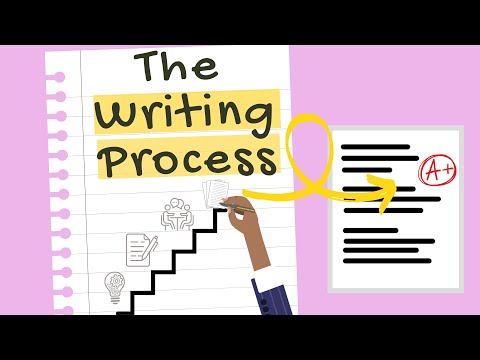
The Writing Process: A Step by Step Guide to Academic Writing
What is the Writing Process?
Understanding the Writing Process
The writing process is a structured approach to essay writing that breaks down the task into manageable steps, making it less overwhelming.
It involves several stages: thinking, brainstorming, researching, outlining, drafting, conferencing, revising, editing, and publishing. Each step contributes to a more effective writing experience.
Step 1: Thinking Stage
Begin by reflecting on your assignment's purpose and your knowledge of the topic. Consider what questions you have about it. This foundational understanding guides your writing direction.
Identify the type of essay required and clarify what you are being tested on; this helps focus your research and ideas.
Step 2: Brainstorming Ideas
Engage in brainstorming by jotting down thoughts or questions related to your topic without worrying about perfection; this can be done through lists or free writing. The goal is to explore ideas freely.
If further information is needed after brainstorming, begin researching credible sources using libraries or academic databases like Google Scholar for reliable data.
Step 3: Organizing Ideas
After gathering research, organize your findings into an outline that highlights main topics and supporting subtopics relevant to your prompt; this structure will ease the drafting process significantly.
A well-organized outline serves as a roadmap for your essay and ensures that all necessary evidence is included before you start writing.
Steps 4 & 5: Drafting and Conferencing
When drafting, focus on fleshing out ideas rather than achieving perfection; this stage reveals gaps in content that may require additional research or adjustments in subtopics.
Conferencing with peers or instructors provides valuable feedback on both higher-order concerns (like thesis clarity) and lower-order issues (such as grammar), enhancing overall quality before revision begins.
Steps 6 & 7: Revising and Editing
Revision involves rethinking major aspects of your essay such as organization and evidence use; it's crucial not to confuse this with editing which focuses on minor details like spelling errors.
Once revisions are complete, editing should be performed carefully—reading aloud can help identify overlooked mistakes before final submission preparations begin.
Final Thoughts on Publishing
Video description
Master the Writing Process by following small steps that lead to effective writing strategies!
✔️Please subscribe for more videos: https://www.youtube.com/channel/UCSYhBUhUnov7ZgQ8nPirnvQ?sub_confirmation=1
Transcript:
If you’ve ever waited until the night before to write an essay and then scored poorly on it, the Writing Process is here to save you!
First, What is the writing process?
As the name suggests, it’s a process you go through to write an essay to make it more manageable. Instead of a daunting set of mountains that you’re not sure how to climb, the writing process is a series of steps you can take to complete your larger project. Good writers spend time thinking, brainstorming,researching, outlining, drafting, conferencing with others, revising, editing and publishing. Let’s go over each step:
The first step is the thinking stage. When you get an assignment, spend time thinking about your purpose, experience with and knowledge of the topic, and think about what questions you have about the topic. To get started, think about what kind of essay are you being asked to write and ultimately, what are you being tested on? Once you know your purpose in writing the essay, then think about the topic you’re focusing on. What do you know about the topic? What experiences have you had that might relate to the topic?, what do you want to or need to know and where will you find this information?
After you’ve thought about your topic, purpose and experience, start brainstorming. To do this, jot down your answers to your questions or topics you were thinking about. Don’t put pressure on yourself to write the perfect sentence because brainstorming is messy and doesn’t always need to make sense. You can write in concise bulleted lists or create a web or free write to explore ideas, but the point is to just start writing to explore your ideas.
Next, if you need research or you find that a lot of the brainstorming consists of questions you can’t yet answer, then start searching for sources and actively reading them to get the information you need for your essay. Be sure to find credible and reliable sources from authors who are experts in their fields. You can do this by using your library’s databases or Google Scholar.
After you’ve researched, you can start organizing and outlining your ideas. Look for common threads and create main topics that answer your prompt. Also, add subtopics to the main topics showing the evidence you’ll use to support your ideas. Having a clearly organized outline with the evidence you need is a crucial step in the writing process that will make the actual writing of the paper much easier.
With a clear outline, you’re now ready to draft. When you draft, don’t worry about perfection. Instead, write the essay to the best of your ability knowing that you’re giving yourself time to revise. By drafting an essay you’re fleshing out an outline and explaining how the ideas you listed are connected. If you don’t have anything to say about certain topics, then drafting makes the potential holes in your essay apparent. This allows you to continue to do more research or go back to your brainstorming to choose other subtopics.
Once you have a draft, you can conference with others. This stage of the writing process is very important because you’ll get advice on what works well in your essay and what you can do to make your writing better. If you’re peer editing and your partner mostly focuses on minor issues like spelling or grammar, ask them questions about the higher order concerns such as, what did you think about my thesis? Or do my topic sentences reflect the main idea of my paragraphs? If you don’t have classmates who could look over your work, see if you can run it by a tutor or your instructor.
After conferencing, you can work on revising your essay. Don’t confuse revising with editing. Revision requires you to rethink the major aspects of your essay like your organization, use of evidence or thesis. Focus on these global concerns and address what needs improvement.
When the hard work of revising is done, then you can conference again with others or you can move on to editing, which focuses on lower order concerns like grammar or spelling. One strategy is to read your work aloud to see if you stumble across any of these minor issues.
The very last stage of the writing process is publishing. How will you turn in your essay? Do you need to print out a hard copy or submit it online? What about the formatting? Are you required to use APA or MLA formatting? Pay attention to the final touches to ensure you’re meeting the requirements and properly turning in your work.
00:00 Start/What is the writing process?
00:38 Thinking
01:13 Brainstorming
01:39 Researching
02:01 Organizing/Outlining
02:28 Drafting
02:59 Conferencing
03:34 Revising
03:53 Editing
04:08 Publishing
04:28 Pacing yourself
#writingprocess #stepsinthewritingprocess #academicwriting