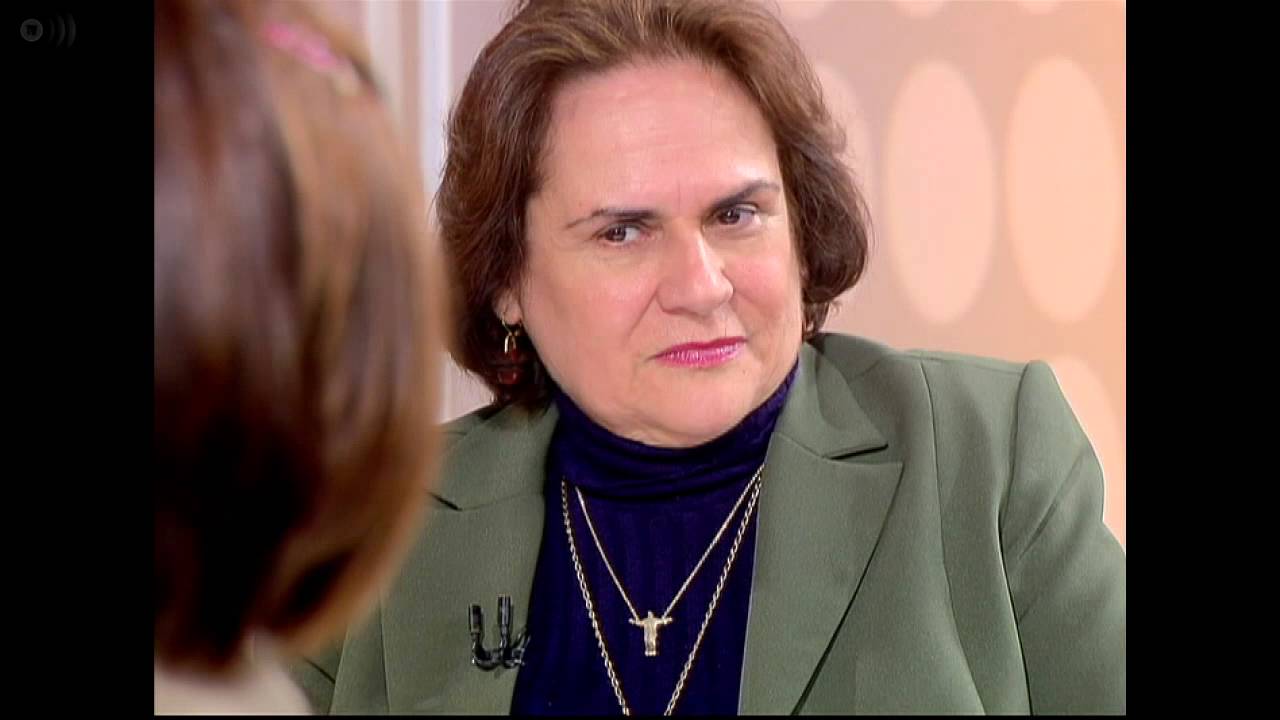
Na Íntegra - Maria Luiza Marcílio - Alfabetização na História do Brasil
History of Education in Brazil
Early Educational Efforts in Brazil
- The discussion begins with the mention of a school focused on training, highlighting the abundance of "ríngios" and its aim to form educators.
- The establishment of the group school and normal school is linked to military reform initiated from 1971, indicating a top-down approach to education.
- Maria Luisa is introduced as knowledgeable about literacy history in Brazil, prompting inquiries into early literacy efforts during the colonial period.
Portuguese Influence on Education
- Portugal's government initially allowed limited educational opportunities in colonial Brazil until at least the 18th century.
- Jesuits gained a monopoly on education after arriving in 1549, focusing on missionary work and priestly formation rather than educating indigenous people directly.
Establishment of Schools by Jesuits
- Jesuits aimed to categorize indigenous populations while primarily sending white priests to educate them. They established schools starting with Salvador and later expanding to Rio de Janeiro and São Paulo.
- The first school was founded alongside the city of São Paulo in 1554, emphasizing its role as an educational center for indigenous peoples.
Educational Methods and Curriculum
- Jesuits created the "Rácio Studiorum," a comprehensive manual for teaching that spanned from primary courses to advanced studies.
- These institutions were not merely for basic literacy but included higher-level subjects like Latin grammar leading up to theology.
Challenges and Limitations
- Indigenous students needed foundational skills such as reading and writing for religious texts; thus, schools also served evangelization purposes.
- Teaching methods involved cultural integration through music and religious songs while using simplified approaches for alphabetization.
Evolution Post-Jesuit Expulsion
- After Jesuit expulsion in 1759, there was a significant shift; however, education remained elitist until late into the 19th century when broader access began emerging.
- The concept of popular schooling did not materialize until much later; prior systems catered mainly to elite classes—nobles or aristocrats—leaving many uneducated.
Conclusion: Legacy of Colonial Education Systems
- By examining these historical contexts, it becomes clear that early Brazilian education was heavily influenced by European models focused on elite training rather than widespread literacy.
Education in Brazil: Historical Context
The Role of Monastic Orders in Education
- Monastic orders like Franciscans and Carmelites had a monopoly on education, with limited schools primarily for training priests.
- Few lay teachers existed; some gathered students informally at their homes or farms to provide instruction.
- Local priests, referred to as "tio padre," were often hired by landowners to teach their children, filling the educational gap left by formal institutions.
Public Education Initiatives
- Only about 1% of the Brazilian population attended existing schools during this period, indicating a significant lack of access to education.
- Following the expulsion of Jesuits in 1759, the Portuguese government initiated public education reforms, establishing free state-funded schools known as "escola Régia."
- The first public school system was created in Portugal and later implemented in Brazil, focusing on basic literacy and writing skills.
Establishment and Challenges of Public Schools
- Although established in 1759, public schooling was not fully operational in Brazil until 1772 when teachers were officially contracted.
- After Brazil's independence in 1822, there were declarations for free public education; however, many provinces reported no hired teachers available.
Teacher Qualifications and Socioeconomic Status
- The first contracted teacher was noted around 1770; candidates needed to pass exams demonstrating basic literacy and Christian doctrine knowledge.
- Teachers typically came from impoverished backgrounds with few employment options; many were older individuals seeking any form of income.
Educational Landscape Post-Jesuit Expulsion
- The expulsion led to disorganization within the educational system; few religious orders took over teaching responsibilities afterward.
History of Education in Brazil
Early Educational Legislation
- In 1827, the Brazilian government enacted its first general education law, addressing long-standing complaints about the lack of regulation in education.
- The 1827 law was significant as it established formal education for women for the first time, with a second educational law not appearing until 1961.
- Despite allowing women's education, the law limited teaching to reading and writing, reflecting societal constraints on female literacy at that time.
Curriculum Limitations
- The curriculum for women did not require specific subjects beyond basic literacy; it included domestic skills like sewing and household management.
- The introduction of women's education in 1827 was part of a broader educational framework but faced challenges due to inadequate resources and support.
Decentralization and Its Effects
- In 1834, an additional act decentralized primary and secondary education responsibilities to provinces, leading to inconsistencies across regions.
- This decentralization resulted in instability as provincial leaders often held power for short periods (averaging one year), hindering effective educational governance.
Challenges in Educational Quality
- Many provincial leaders were politically appointed rather than qualified educators, which negatively impacted their commitment to improving basic education.
- During this period, higher education institutions like the Law School of Recife were established but primarily focused on rhetoric rather than comprehensive educational reform.
Societal Impacts on Education
- By 1830, Brazil's educational landscape was precarious; there were few secondary schools and most instruction revolved around basic literacy and Christian doctrine.
- Teachers were often politically appointed through patronage systems (known as "filhotismo"), undermining professional standards within the educational system.
Role of Women in Early Education
- Women's roles in early childhood education included informal teaching by mothers or wet nurses who imparted basic religious teachings and domestic skills.
- Boys from wealthy families sometimes received private tutoring from priests or local educators before attending higher learning institutions.
Long-term Consequences of Decentralization
- The decentralization initiated by the 1834 act persisted until 1941 when a centralized Ministry of Education was finally established.
Government and Educational Reforms in Brazil
Overview of Government Leadership
- The discussion begins with the mention of the Jatulho government, highlighting Francisco de Campos as a key minister during this period.
- Capanema succeeded Campos, attempting to establish a comprehensive educational system despite limited resources.
Historical Context of Education Reform
- A significant reform in primary education emerged from São Paulo in 1890, coinciding with the establishment of the Republic.
- This reform was driven by a group of well-prepared republicans, many educated at prestigious institutions like law and medical schools or abroad.
Influences on Educational Development
- Founders of the Republican Party also established influential publications such as "A Provincia de São Paulo" and "O Estado de São Paulo."
- Many reformers were Freemasons, indicating that Masonic principles played a role in advancing educational reforms.
International Exposure and Innovations
- Brazilian educators gained insights from international exhibitions held in Europe and the U.S. starting in the 1960s, showcasing advancements in industry and education.
- These exhibitions introduced new educational materials and methods, including innovations like school desks designed for children.
Challenges to Implementing Reforms
- Despite aspirations for modern schooling influenced by late 19th-century developments, systemic issues like slavery posed significant barriers to widespread education access.
- The existing social structure excluded a large portion of the population from educational opportunities due to its elitist nature.
Legislative Changes and New School Structures
- In 1890, an important legislative reform led to the creation of new normal schools aimed at improving teacher training.
- The reform established a structured primary school system with minimum programs tailored for both boys and girls.
Teacher Training Initiatives
- Prior to these reforms, teaching was often unstructured; however, new normal schools emphasized well-prepared teachers as essential for effective education.
- Notable figures included two highly qualified female educators: Miss Brown from America and Maria Gliermina Loreiro from Brazil.
Establishment of Group Schools
- The reforms also led to creating group schools similar to those found in France and the U.S., which organized students into progressive series based on their learning levels.
Revolution in Education
Traditional vs. Modern Educational Practices
- The discussion highlights a significant shift in education, where parents who were traditionally against their children leaving the Empire began to embrace new educational practices.
- The focus was on creating schools with separate classrooms that were well-lit, ventilated, and clean, introducing facilities like bathrooms and playgrounds for children's recreation.
- Emphasis was placed on providing gymnasiums for physical education during rainy seasons, marking a comprehensive approach to child development.
Cultural Integration through Music
- A notable event occurred in 1911 when around 3,000 children from public schools gathered to sing Brazilian folk songs at the municipal roof, reflecting a period of nationalism.
- This cultural movement led to the emergence of figures like Vilalopes and Cascudo, who played pivotal roles in preserving and promoting Brazilian music.
Enrollment Surge and School Transformation
- The transformation of education saw an increase in student enrollment; previously small classes expanded significantly as parents sought quality education for their children.
- Parents were drawn to newly built schools that symbolized progress and beauty, leading them to enroll all their children.
Shifts in Educational Structure
- Children transitioned from being merely 'children' to becoming 'students,' indicating a societal shift towards formal education.
- The construction of group schools represented an organized approach to teaching activities; questions arose about the permanence of this educational model.
Pedagogical Innovations
- In 1911, reforms initiated by Santa Catarina's government mirrored those in São Paulo, establishing new normal schools based on innovative principles.
- The intuitive method of literacy instruction emerged as a key pedagogical approach aimed at fostering independent learning among students rather than rote memorization.
Critique of Educational Reforms
- New directives aimed at primary and secondary schooling led to significant changes but also criticisms regarding the effectiveness of these reforms.
- There was confusion surrounding the elimination of normal schools; critics argued that it disrupted established teacher training systems which had been effective.
Consequences of Teacher Training Changes
- An oversupply of normal schools resulted in poorly trained teachers due to commercial interests overshadowing educational quality.
The Evolution of Teacher Training in Brazil
Historical Context of Teacher Education
- The centers intended to be prototypes for primary and secondary teacher training have primarily focused on postgraduate education, with professors dedicating their intellectual efforts towards obtaining advanced degrees rather than undergraduate teaching.
- The 1970s saw a significant shift when military governments dismantled normal schools, coinciding with the democratization of public education and the eventual universalization of basic education.
Demand for Primary School Teachers
- There is an increasing need for more teachers as enrollment rises; however, the training for primary school educators has not kept pace with this demand.
- A large proportion of current first-grade teachers were trained in private institutions, highlighting a disparity in educational quality across different regions.
Challenges in Teacher Qualifications
- In northern and northeastern Brazil, many teachers lacked formal qualifications and were often untrained, complicating the educational landscape.
- Despite rising student numbers, there has been insufficient state action to adequately train or prepare new teachers.
Ideological Shifts in Educational Methods
- A radical ideological shift occurred within Brazilian public universities influenced by figures like Paulo Freire and Emilia Ferreiro, focusing on psychogenetics and linguistics that reshaped teaching methodologies.
- Discoveries about children's cognitive development challenged traditional views of dependency in learning processes.
Divergent Teaching Models
- Recognition that children develop at different paces led to debates over phonetic versus constructivist teaching models; these discussions are marked by ideological divides.
- The imposition of a constructivist model prohibited traditional methods such as using workbooks, leaving many teachers unprepared to adapt effectively.
Current State of Literacy Education
- Traditional literacy instruction remains prevalent despite official mandates against it; many educators resort to conventional methods due to lack of proper training.